
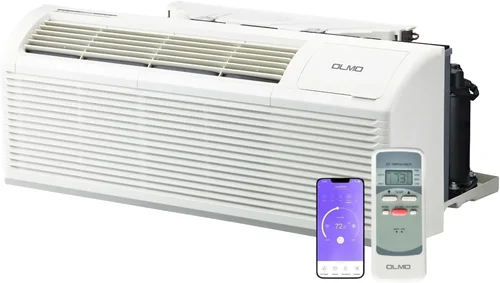
When it comes to heating and cooling solutions for commercial spaces, multi-unit residential buildings, or even large homes, few systems offer the reliability, efficiency, and simplicity of a packaged terminal air conditioner—commonly known as a PTAC. Among the most trusted names in this specialized HVAC segment is Carrier, a brand with over a century of innovation in climate control technology. Whether you’re managing a hotel, upgrading a senior living facility, or outfitting a vacation rental, choosing the right Carrier PTAC can make all the difference in guest comfort, energy costs, and long-term maintenance.
This comprehensive buying guide is designed to cut through the noise and help you make an informed decision. We’ll walk you through every critical factor—from performance specs and energy efficiency to installation requirements and warranty coverage—so you can select a unit that aligns perfectly with your needs, budget, and operational goals. You’ll learn how to compare models, avoid common pitfalls, understand pricing tiers, and even score the best deals. By the end, you’ll have the confidence to invest in a Carrier PTAC that delivers consistent comfort year after year.
The PTAC market has evolved significantly in recent years, with manufacturers like Carrier introducing advanced features such as smart controls, improved sound dampening, and higher Seasonal Energy Efficiency Ratios (SEER). However, with so many options available—ranging from basic cooling-only units to full-featured heat pump models with electric resistance backup—it’s easy to feel overwhelmed. This guide demystifies the selection process, offering expert insights based on real-world usage, technical specifications, and industry trends. Whether you’re a facility manager, property owner, or contractor, this resource equips you with everything needed to choose wisely.

What to Look for When Buying a Carrier PTAC
1. Cooling and Heating Capacity (BTU Rating)
The first and most fundamental specification to consider is the unit’s cooling and heating capacity, measured in British Thermal Units per hour (BTU/hr). This determines how effectively the PTAC can maintain comfortable temperatures in a given space. Carrier PTACs typically range from 7,000 to 15,000 BTUs, with common sizes including 7K, 9K, 12K, and 15K models.
Choosing the correct BTU rating is essential—too small, and the unit will struggle to cool or heat the room; too large, and it will cycle on and off frequently, wasting energy and reducing humidity control. To determine the right size, calculate the square footage of the room and consider factors like ceiling height, window exposure, insulation quality, and occupancy levels. As a general rule, you’ll need approximately 20 BTUs per square foot. For example, a 400-square-foot room would require an 8,000 BTU unit, making a 9K model ideal.
Carrier offers both cooling-only and heat pump models. Heat pump PTACs provide both heating and cooling using refrigerant cycles, which are far more energy-efficient than electric resistance heating. If you live in a mild climate where winter temperatures rarely drop below freezing, a heat pump model can significantly reduce operating costs. However, in colder regions, you may want a unit with supplemental electric heat strips to ensure reliable warmth during extreme cold snaps.
2. Energy Efficiency (EER and CEER Ratings)
Energy efficiency is a major consideration, especially for commercial applications where utility bills can quickly add up. Carrier PTACs are rated using the Energy Efficiency Ratio (EER) and, more recently, the Combined Energy Efficiency Ratio (CEER), which accounts for both active and standby power consumption. Higher EER/CEER values mean lower energy use and reduced operating costs.
Look for models with an EER of 10.0 or higher—this is considered excellent for PTACs. Some of Carrier’s newer units boast EER ratings exceeding 11.5, thanks to advanced compressor technology and optimized airflow designs. Additionally, units that meet or exceed ENERGY STAR® standards often qualify for utility rebates and tax incentives, further improving your return on investment.
It’s also worth noting that newer PTACs use R-410A refrigerant, which is more environmentally friendly and efficient than older R-22 systems. Carrier has phased out R-22 models in compliance with EPA regulations, so you can be confident that any new unit you purchase uses modern, sustainable refrigerant.
3. Noise Levels (Decibel Rating)
Noise can be a dealbreaker in hospitality, healthcare, and residential settings where quiet operation is essential. Carrier PTACs are engineered with sound-dampening features such as insulated cabinets, variable-speed fans, and vibration-isolating compressors to minimize operational noise.
Check the decibel (dB) rating, which typically ranges from 45 to 60 dB for Carrier units. Lower dB values indicate quieter performance. For guest rooms, lobbies, or patient rooms, aim for models under 50 dB. Carrier’s “Silent Comfort” series, for example, features advanced acoustic engineering that reduces sound output without compromising cooling power.
Keep in mind that noise can also be influenced by installation quality. A poorly sealed sleeve or loose mounting can amplify vibrations and create rattling sounds. Always ensure professional installation and use manufacturer-recommended wall sleeves and trim kits to maintain optimal acoustics.
4. Features and Smart Controls
Modern Carrier PTACs come equipped with a range of features designed to enhance comfort, convenience, and energy management. Key functionalities to look for include:
- Digital Thermostat: Allows precise temperature control with easy-to-read displays.
- Remote Control: Enables users to adjust settings from across the room—ideal for guest satisfaction.
- Programmable Timers: Set the unit to turn on or off at specific times, improving energy efficiency.
- Fan Speed Settings: Multiple speeds (low, medium, high) allow for customized airflow and noise levels.
- Sleep Mode: Gradually adjusts temperature overnight for comfort and energy savings.
- Auto-Restart: Resumes previous settings after a power outage.
For commercial applications, consider models with centralized control capabilities. Carrier offers PTACs compatible with building management systems (BMS) and proprietary platforms like Carrier’s ComfortID™, which allows facility managers to monitor and control multiple units remotely. This is especially useful for hotels and multi-tenant buildings where consistent guest experience and energy monitoring are priorities.
Some high-end models also include Wi-Fi connectivity and smartphone app integration, enabling real-time alerts, scheduling, and diagnostics. While these features come at a premium, they can significantly reduce labor costs and improve responsiveness to maintenance issues.
5. Build Quality and Durability
PTACs are exposed to harsh outdoor conditions, including rain, snow, UV radiation, and temperature extremes. Carrier builds its units with corrosion-resistant materials such as galvanized steel cabinets, powder-coated finishes, and sealed electrical components to ensure long-term durability.
Look for models with a robust chassis and reinforced louvers that resist warping or damage from weather or physical impact. Carrier’s “WeatherShield” technology, for instance, includes protective coatings and drainage systems that prevent water intrusion and prolong component life.
Internal components like compressors, motors, and heat exchangers should be high-quality and designed for continuous operation. Carrier uses hermetically sealed compressors and permanently lubricated fan motors in many of its PTACs, reducing the need for maintenance and extending service life.
Additionally, consider the unit’s weight and construction. Heavier units often indicate thicker gauge metal and better insulation, which contribute to both durability and thermal performance. Avoid flimsy or lightweight models that may degrade quickly in demanding environments.
6. Installation and Compatibility
One of the biggest advantages of PTACs is their standardized installation, but compatibility with existing infrastructure is crucial. Carrier PTACs are designed to fit standard 42-inch wall sleeves, which are common in hotels and commercial buildings. However, always verify the exact dimensions of your sleeve before purchasing.
Carrier provides detailed installation guides and recommends using their proprietary wall sleeves and trim kits for optimal performance and weather sealing. Improper installation can lead to air leaks, reduced efficiency, and moisture problems. If you’re retrofitting an older building, you may need to upgrade the electrical wiring and circuit breakers to support the new unit’s power requirements.
Electrical compatibility is another key factor. Most Carrier PTACs operate on 208/230V power, but some smaller models (like the 7K and 9K units) are available in 115V versions for lighter-duty applications. Ensure your building’s electrical system can handle the unit’s voltage and amperage. A licensed electrician should perform the wiring and connection to meet local codes and safety standards.
Finally, consider the unit’s depth and protrusion into the room. Standard PTACs extend about 14–16 inches into the interior space. If floor space is limited, look for low-profile models or consider recessed installation options, though these may require custom framing.
7. Warranty and Support
A strong warranty is a strong indicator of a manufacturer’s confidence in its product. Carrier offers some of the best warranties in the PTAC industry, typically including:
- 10-year compressor warranty
- 5-year sealed system warranty (evaporator and condenser coils)
- 1-year parts and labor warranty
Some models may come with extended warranties or optional coverage plans, especially when purchased through authorized dealers or installed by certified technicians. Always register your unit within 60 days of installation to activate the full warranty benefits.
Customer support is equally important. Carrier provides technical assistance through phone, email, and online portals. Their network of authorized service providers ensures prompt repairs and access to genuine replacement parts. For large-scale installations, consider enrolling in a maintenance agreement to keep units running efficiently and avoid unexpected downtime.
Be cautious of third-party sellers offering “discounted” Carrier PTACs. These units may be refurbished, discontinued, or lack proper certification, which can void the warranty and compromise performance. Always buy from authorized distributors to ensure authenticity and support.
8. User Reviews and Real-World Performance
While specifications and marketing materials provide valuable data, real-world user experiences offer the most honest assessment of a PTAC’s performance. Look for reviews from property managers, hotel operators, and facility engineers who have used Carrier PTACs in similar environments.
Pay attention to feedback on reliability, ease of maintenance, noise levels, and customer service responsiveness. Common praises for Carrier PTACs include consistent cooling, quiet operation, and long service life. Criticisms often focus on higher upfront costs compared to budget brands and occasional challenges with remote control functionality.
Websites like Trustpilot, HVAC forums, and commercial equipment review platforms are excellent sources of unbiased opinions. Additionally, Carrier’s official website features customer testimonials and case studies from hotels, hospitals, and senior living communities that have successfully deployed their PTAC systems.
When evaluating reviews, consider the context. A unit that performs well in a small motel may not be suitable for a large hospital wing. Match the reviewer’s use case to your own to get the most relevant insights.
Different Types of Carrier PTACs

Common Buying Mistakes to Avoid
❌ Mistake: Choosing the Wrong BTU Size
Why it’s bad: An undersized unit will run constantly, struggle to maintain temperature, and wear out prematurely. An oversized unit will short-cycle, leading to poor humidity control, temperature swings, and higher energy bills.
What to do instead: Use a professional load calculation or the 20 BTU per square foot rule as a starting point. Factor in insulation, window size, and occupancy. When in doubt, consult an HVAC professional or use Carrier’s online sizing tool.
❌ Mistake: Ignoring Energy Efficiency Ratings
Why it’s bad: A lower upfront cost may seem appealing, but inefficient units can cost hundreds more per year in electricity, especially in high-usage environments like hotels.
What to do instead: Prioritize models with EER ratings of 10.0 or higher. Look for ENERGY STAR certification and calculate long-term savings using online energy cost estimators.
❌ Mistake: Skimping on Installation
Why it’s bad: Poor installation leads to air leaks, reduced efficiency, water damage, and voided warranties. DIY installations without proper electrical or sealing knowledge can be dangerous.
What to do instead: Hire a licensed HVAC technician familiar with PTAC systems. Use manufacturer-approved wall sleeves and follow Carrier’s installation guidelines precisely.
❌ Mistake: Overlooking Noise Levels
Why it’s bad: Loud units disrupt sleep, reduce guest satisfaction, and may violate local noise ordinances in residential areas.
What to do instead: Check the dB rating and read user reviews about noise. Opt for models with sound-reduction features like insulated cabinets and variable-speed fans.
❌ Mistake: Buying from Unauthorized Sellers
Why it’s bad: Gray-market units may be counterfeit, refurbished, or lack proper certification, resulting in no warranty coverage and potential safety hazards.
What to do instead: Purchase only from Carrier-authorized dealers or reputable commercial HVAC suppliers. Verify serial numbers and warranty eligibility before finalizing your purchase.
❌ Mistake: Neglecting Maintenance Requirements
Why it’s bad: Clogged filters, dirty coils, and blocked drains reduce efficiency, cause breakdowns, and shorten the unit’s lifespan.
What to do instead: Establish a regular maintenance schedule—clean or replace filters monthly, inspect coils quarterly, and schedule professional servicing annually.
❌ Mistake: Not Considering Future Expansion
Why it’s bad: If you plan to add more units later, mismatched models can lead to inconsistent performance, higher maintenance costs, and compatibility issues.
What to do instead: Standardize your PTAC selection across all units. Choose models from the same product line to ensure uniformity in controls, parts, and service needs.
Budget Guidelines: How Much Should You Spend?
Carrier PTACs are available across a wide price spectrum, reflecting differences in features, efficiency, and durability. Understanding where your budget fits can help you make a smarter investment.
Entry-Level ($600 – $900): These are typically cooling-only models with basic thermostats and standard efficiency ratings (EER 9.0–10.0). Ideal for small spaces, seasonal use, or tight budgets. While affordable upfront, they may cost more in energy over time and lack advanced features.
Mid-Range ($900 – $1,400): This is the sweet spot for most buyers. These units often include heat pump functionality, digital controls, and improved EER ratings (10.0–11.0). They offer a balance of performance, efficiency, and reliability, making them perfect for hotels, apartments, and small commercial spaces.
Premium ($1,400 – $2,000): Designed for demanding environments, these PTACs feature high-efficiency compressors, smart controls, and enhanced durability. They often include Wi-Fi connectivity, remote monitoring, and compatibility with building management systems. Ideal for luxury hotels, hospitals, and tech-forward properties.
Luxury ($2,000+): Top-tier models with maximum SEER ratings, ultra-quiet operation, and comprehensive diagnostic tools. These units are built for long-term, high-usage applications and often come with extended warranties and concierge-level support. Best for large-scale commercial projects or LEED-certified buildings.
Expert Tips for Getting the Best Deal
Securing a great price on a Carrier PTAC doesn’t mean compromising on quality. With the right strategy, you can save significantly while still getting a top-performing unit.
- Buy During Off-Peak Seasons: HVAC demand peaks in spring and summer. Purchase in late fall or winter when dealers offer discounts to clear inventory.
- Negotiate Bulk Purchases: If you’re outfitting multiple rooms, ask for a volume discount. Many suppliers offer 10–20% off for orders of 10+ units.
- Look for Rebates and Incentives: Check with your utility company for rebates on ENERGY STAR-certified PTACs. Some states also offer tax credits for energy-efficient upgrades.
- Compare Authorized Dealers: Prices can vary between distributors. Get quotes from at least three Carrier-authorized sellers to ensure competitive pricing.
- Consider Refurbished or Open-Box Units: Some dealers sell certified refurbished Carrier PTACs with full warranties at 20–30% off retail. These are often returned items with minimal use.
- Bundle with Installation: Some contractors offer discounted installation when you purchase the unit through them. This can save time and money while ensuring proper setup.
- Read the Fine Print on Warranties: Ensure the warranty covers both parts and labor, and confirm that installation by a certified technician is required for validity.
- Use Financing Options: Carrier and its partners often offer financing plans with low or no interest for qualified buyers, making high-end models more accessible.

Frequently Asked Questions
Q: Can I install a Carrier PTAC myself?
A: While technically possible, DIY installation is not recommended. PTACs require proper electrical wiring, secure mounting, and weatherproof sealing. Improper installation can void the warranty, reduce efficiency, and pose safety risks. Always hire a licensed HVAC professional.
Q: How often should I clean the filter?
A: Clean or replace the air filter every 30–60 days, depending on usage and environment. In high-dust areas like hotels or construction sites, monthly cleaning is ideal. A dirty filter restricts airflow, reduces efficiency, and can cause the unit to freeze up.
Q: Do Carrier PTACs work in cold weather?
A: Heat pump models can operate efficiently down to around 35–40°F. Below that, electric heat strips (if equipped) take over. For climates with frequent sub-freezing temperatures, choose a model with supplemental electric heat for reliable performance.
Q: Can I control multiple PTACs from one location?
A: Yes, with Carrier’s ComfortID™ or compatible BMS platforms, you can monitor and control dozens of units remotely. This is ideal for hotels, hospitals, and multi-tenant buildings.
Q: Are Carrier PTACs compatible with smart thermostats?
A: Some models support third-party smart thermostats, but full functionality is best achieved with Carrier’s proprietary systems. Check compatibility before purchasing.
Q: How long do Carrier PTACs last?
A: With proper maintenance, Carrier PTACs typically last 10–15 years. Regular filter changes, coil cleaning, and professional servicing can extend lifespan significantly.
Q: What’s the difference between EER and CEER?
A: EER measures cooling efficiency under peak conditions, while CEER includes standby power consumption. CEER provides a more accurate picture of real-world energy use.
Q: Can I use a PTAC in a residential home?
A: Yes, PTACs are commonly used in apartments, condos, and homes without central HVAC. They’re especially useful for room additions or spaces with limited ductwork access.
Q: Do I need a special electrical circuit for a PTAC?
A: Most PTACs require a dedicated 208/230V circuit. Smaller 115V models can use standard outlets, but always consult an electrician to ensure your wiring meets code.
Q: What should I do if my PTAC is leaking water?
A: Check for clogged drain lines, dirty coils, or improper installation. If the unit is tilted incorrectly, water may pool inside. Clean the drain pan and ensure the sleeve is properly sealed. If leaks persist, contact a technician.
Our Final Recommendations
After extensive research and analysis, here are our top Carrier PTAC picks for different needs:
Best for Budget-Conscious Buyers: Carrier 9,000 BTU Cooling-Only PTAC (Model 42QHC009DS)
A reliable, no-frills unit with solid cooling performance and an EER of 10.0. Perfect for small rooms or warm climates where heating isn’t needed.
Best Overall Value: Carrier 12,000 BTU Heat Pump PTAC (Model 42QHC012DS)
Offers excellent efficiency (EER 11.2), quiet operation, and reliable heating and cooling. Ideal for hotels, apartments, and moderate climates.
Best Premium Option: Carrier 15,000 BTU Smart-Enabled PTAC with Heat Pump (Model 42QHC015DS-W)
Features Wi-Fi connectivity, app control, and advanced diagnostics. Designed for luxury properties and tech-savvy operators.
Best for Beginners: Carrier 9,000 BTU Heat Pump PTAC (Model 42QHC009DS-HP)
User-friendly digital controls, easy installation, and strong warranty. Great for first-time buyers or small property owners.
Best for Advanced Users: Carrier 12,000 BTU High-Efficiency Commercial PTAC (Model 42QHC012DS-HE)
Top-tier SEER rating, BMS compatibility, and rugged construction. Built for large-scale, high-demand environments.
Conclusion: Making the Right Choice
Choosing the right Carrier PTAC is about more than just cooling a room—it’s about ensuring comfort, efficiency, and reliability over the long term. By focusing on key factors like BTU capacity, energy efficiency, noise levels, and installation quality, you can avoid common pitfalls and select a unit that meets your specific needs.
Whether you’re managing a 100-room hotel or upgrading a single vacation rental, Carrier offers a PTAC solution that balances performance and value. Use this guide to compare models, understand pricing, and make an informed decision. Remember to prioritize your unique requirements—climate, usage patterns, and budget—and don’t hesitate to consult with HVAC professionals when needed.
Investing in the right PTAC today means fewer headaches, lower energy bills, and happier occupants tomorrow. Take the time to evaluate your options, ask the right questions, and choose wisely. With Carrier’s proven track record and this comprehensive guide, you’re well-equipped to make the best choice for your space.