
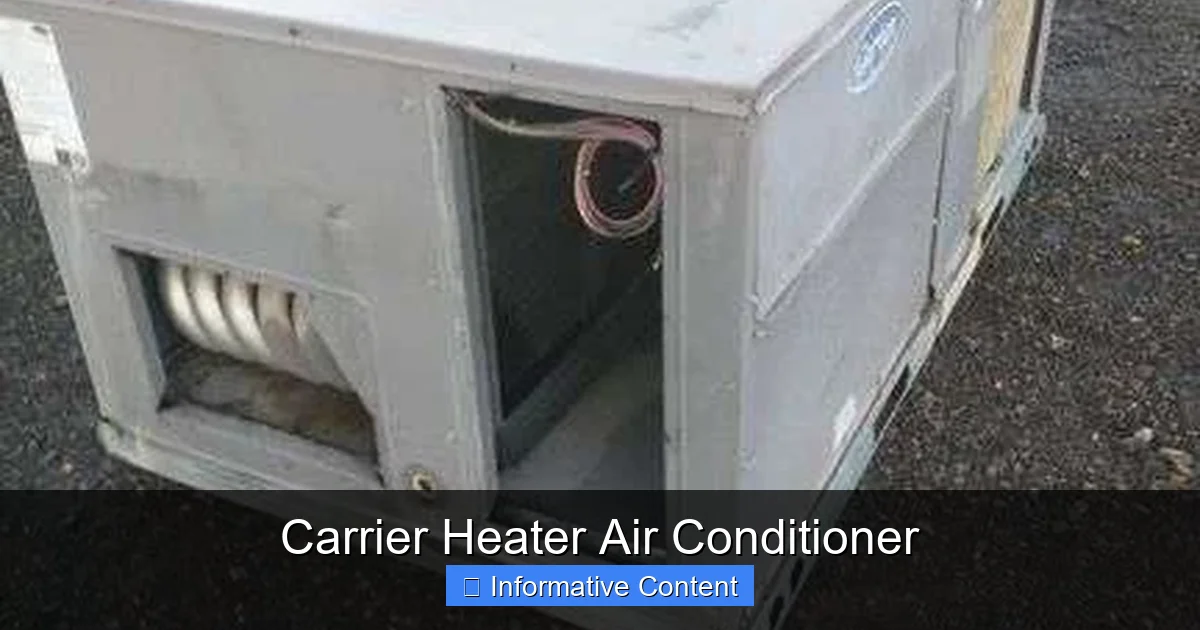
A Carrier heater air conditioner combines powerful heating and efficient cooling in one reliable system, perfect for year-round home comfort. Known for innovation and energy efficiency, Carrier systems offer smart features, quiet operation, and long-term savings.
Key Takeaways
- Dual Functionality: A Carrier heater air conditioner provides both heating and cooling, eliminating the need for separate systems.
- Energy Efficiency: Carrier units often feature high SEER and HSPF ratings, helping reduce energy bills and environmental impact.
- Advanced Technology: Many models include smart thermostats, variable-speed motors, and Wi-Fi connectivity for enhanced control.
- Quiet Operation: Carrier designs focus on noise reduction, ensuring peaceful indoor environments.
- Durability and Warranty: Built with quality materials and backed by strong warranties, Carrier systems offer long-term reliability.
- Professional Installation Matters: Proper sizing and installation by certified technicians ensure optimal performance and efficiency.
- Regular Maintenance is Key: Routine servicing extends system life and maintains peak efficiency.
📑 Table of Contents
- What Is a Carrier Heater Air Conditioner?
- How Does a Carrier Heater Air Conditioner Work?
- Benefits of Choosing a Carrier Heater Air Conditioner
- Types of Carrier Heater Air Conditioners
- Installation and Maintenance Tips
- Carrier Warranty and Customer Support
- Is a Carrier Heater Air Conditioner Right for You?
- Final Thoughts
What Is a Carrier Heater Air Conditioner?
When it comes to keeping your home comfortable all year long, few systems offer the convenience and reliability of a Carrier heater air conditioner. This all-in-one HVAC solution combines a high-performance air conditioner with an efficient heating system—typically a heat pump—into a single unit. Whether it’s sweltering summer heat or freezing winter nights, a Carrier heater air conditioner adjusts seamlessly to maintain your ideal indoor temperature.
Carrier, a pioneer in climate control technology since 1915, has built a reputation for innovation, durability, and energy efficiency. Their heater air conditioner systems are designed not just to heat and cool, but to do so intelligently. With features like variable-speed compressors, smart thermostats, and advanced filtration, these units go beyond basic temperature control. They help improve indoor air quality, reduce energy consumption, and provide consistent comfort across every season.
Unlike traditional setups that require separate furnaces and air conditioners, a Carrier heater air conditioner simplifies your home’s HVAC system. This integration means fewer components, less maintenance, and a cleaner, more streamlined installation. Whether you’re building a new home or upgrading an existing system, choosing a Carrier heater air conditioner can be a smart, long-term investment in comfort and efficiency.
How Does a Carrier Heater Air Conditioner Work?
At the heart of a Carrier heater air conditioner is a heat pump—a device that can both heat and cool your home by moving heat rather than generating it. In cooling mode, the system works like a standard air conditioner: it extracts heat from inside your home and releases it outside. But in heating mode, the process reverses. The heat pump pulls warmth from the outside air—even in cold temperatures—and transfers it indoors.
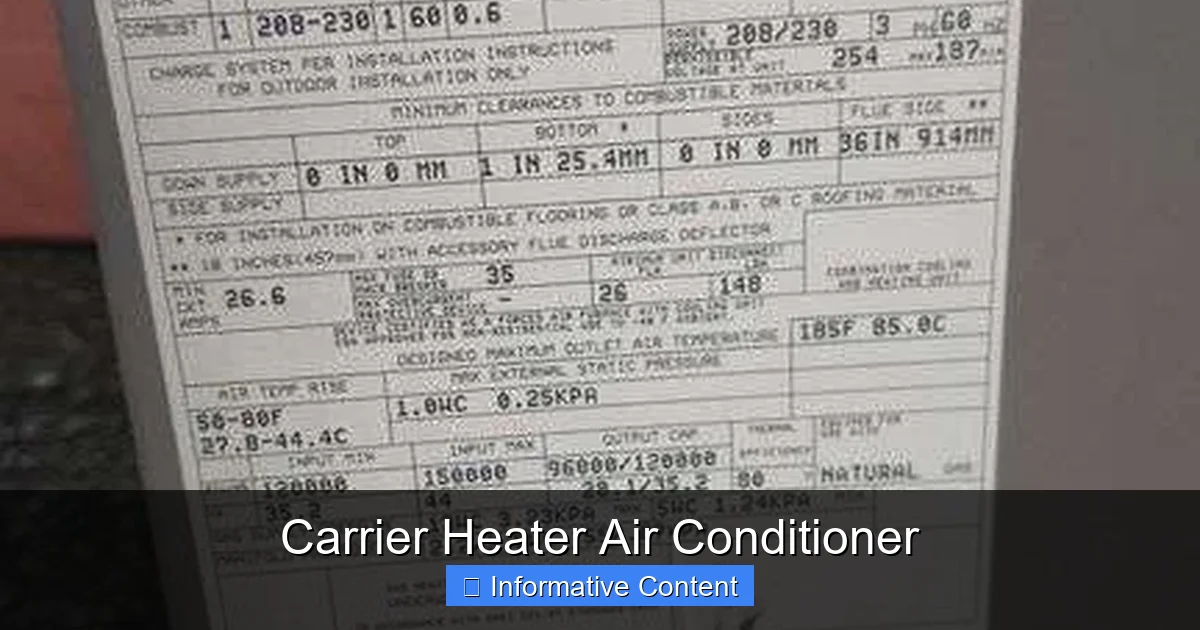
Visual guide about Carrier Heater Air Conditioner
Image source: d3j17a2r8lnfte.cloudfront.net
The Science Behind Heat Pumps
You might wonder: how can a system extract heat from cold outdoor air? It’s all about physics. Even when the temperature drops below freezing, there’s still thermal energy in the air. Carrier’s advanced heat pumps use refrigerants and a reversing valve to capture this energy and amplify it. This process is far more efficient than traditional electric resistance heating or gas furnaces, especially in moderate climates.
Components That Make It Work
A typical Carrier heater air conditioner includes several key components:
- Compressor: The heart of the system, it pressurizes refrigerant to move heat.
- Condenser and Evaporator Coils: These transfer heat between indoor and outdoor air.
- Reversing Valve: Switches the system between heating and cooling modes.
- Expansion Valve: Regulates refrigerant flow for optimal performance.
- Air Handler or Furnace: Distributes conditioned air through your ductwork.
Many modern Carrier models also feature variable-speed compressors and fans. These adjust their output based on demand, avoiding the constant on/off cycling of older systems. The result? Smoother temperature control, lower energy use, and quieter operation.
Supplemental Heating for Extreme Cold
While Carrier heat pumps are highly efficient, they may need backup in extremely cold climates—typically below 25°F (-4°C). That’s where supplemental electric resistance heating coils come in. These act like a backup furnace, kicking in only when needed. Carrier systems are designed to use this backup sparingly, ensuring you get the most out of your heat pump’s efficiency.
Benefits of Choosing a Carrier Heater Air Conditioner
Investing in a Carrier heater air conditioner isn’t just about convenience—it’s about long-term value. From energy savings to improved air quality, the benefits are clear and compelling.
Energy Efficiency and Cost Savings
One of the biggest advantages of a Carrier heater air conditioner is its energy efficiency. Carrier units often boast high Seasonal Energy Efficiency Ratio (SEER) ratings for cooling and Heating Seasonal Performance Factor (HSPF) ratings for heating. For example, some top-tier models exceed SEER 20 and HSPF 10, meaning they use significantly less electricity than older systems.
Let’s say your current system has a SEER of 13 and you upgrade to a Carrier unit with SEER 18. You could see up to 30% savings on cooling costs. Over time, those savings add up—especially in regions with long cooling seasons. Plus, many utility companies offer rebates for installing high-efficiency HVAC systems, further reducing your upfront costs.
Year-Round Comfort
With a Carrier heater air conditioner, you don’t need to worry about switching between systems or dealing with inconsistent temperatures. The system automatically adjusts to outdoor conditions, maintaining a steady indoor climate. Whether it’s a humid July afternoon or a snowy January morning, your home stays comfortable.
And because Carrier systems use variable-speed technology, they avoid the temperature swings common with single-speed units. Instead of blasting hot or cold air, they gently ramp up or down, keeping your home at the perfect temperature without overworking.
Improved Indoor Air Quality
Carrier doesn’t just focus on temperature—they care about the air you breathe. Many of their heater air conditioner models include advanced filtration systems that capture dust, pollen, pet dander, and even some bacteria and viruses. Some units are compatible with Carrier’s Infinity Air Purifier, which uses charged particles to trap contaminants.
For families with allergies or respiratory issues, this can make a real difference. Cleaner air means fewer symptoms, better sleep, and a healthier home environment.
Quiet Operation
Nobody wants a noisy HVAC system disrupting their peace. Carrier designs its units with noise reduction in mind. Features like insulated compressor compartments, sound-dampening fans, and variable-speed motors help keep operating sounds to a minimum. Many models operate at noise levels as low as 58 decibels—quieter than a normal conversation.
Smart Home Integration
Modern Carrier heater air conditioners are built for the smart home era. Many models work seamlessly with Wi-Fi-enabled thermostats like the Carrier Infinity Touch Control. This allows you to adjust settings from your smartphone, set schedules, and receive maintenance alerts—all from anywhere.
Imagine coming home from work on a hot day and using your phone to cool the house before you arrive. Or getting a notification that your filter needs changing. These small conveniences add up to a more comfortable, manageable home.
Types of Carrier Heater Air Conditioners
Carrier offers a range of heater air conditioner systems to suit different homes, climates, and budgets. Understanding the options can help you choose the right fit.
Heat Pump Systems
The most common type of Carrier heater air conditioner is the air-source heat pump. These are ideal for moderate climates where winter temperatures rarely drop below freezing. They’re highly efficient and can provide both heating and cooling with a single outdoor unit and an indoor air handler.
Carrier’s heat pumps are available in single-stage, two-stage, and variable-capacity models. Variable-capacity units offer the best efficiency and comfort, adjusting output in small increments to match demand.
Hybrid (Dual-Fuel) Systems
For colder regions, Carrier offers hybrid systems that combine a heat pump with a gas furnace. In mild weather, the heat pump handles heating efficiently. But when temperatures drop significantly, the gas furnace takes over, providing powerful, reliable warmth.
This dual-fuel approach gives you the best of both worlds: electric efficiency when possible, and gas-powered backup when needed. It’s a great option for areas with fluctuating winter temperatures.
Ductless Mini-Split Systems
If your home lacks ductwork—or if you want to zone your heating and cooling—Carrier’s ductless mini-split systems are a smart choice. These consist of an outdoor unit connected to one or more indoor air handlers mounted on walls or ceilings.
Each indoor unit can be controlled independently, allowing different temperatures in different rooms. This not only improves comfort but also saves energy by only heating or cooling occupied spaces. Ductless systems are especially popular for additions, garages, or older homes.
Geothermal Heat Pumps
For the ultimate in efficiency and sustainability, Carrier offers geothermal heat pump systems. These use the stable temperature of the earth to heat and cool your home. While the upfront cost is higher, geothermal systems can cut energy bills by up to 70% and have a lifespan of 25+ years.
Geothermal systems require underground loops, so they’re best suited for new construction or major renovations. But for environmentally conscious homeowners, they’re a top-tier option.
Installation and Maintenance Tips
Even the best Carrier heater air conditioner won’t perform well without proper installation and care. Here’s what you need to know to get the most out of your system.
Professional Installation is Crucial
Installing an HVAC system isn’t a DIY project. Carrier recommends using certified dealers and technicians who are trained in their products. A poorly installed unit can lead to inefficiency, frequent breakdowns, and even safety hazards.
During installation, the technician will assess your home’s size, insulation, and ductwork to ensure the system is properly sized. An oversized unit will cycle on and off too frequently, wasting energy and wearing out components. An undersized unit will struggle to maintain comfort. Proper sizing is key to performance and longevity.
Regular Maintenance Extends Lifespan
Like any mechanical system, your Carrier heater air conditioner needs regular care. At a minimum, you should:
- Change or clean air filters every 1–3 months.
- Keep the outdoor unit clear of debris, snow, and vegetation.
- Schedule annual professional maintenance (twice a year in extreme climates).
During a maintenance visit, a technician will inspect electrical connections, check refrigerant levels, clean coils, and test system performance. This helps catch small issues before they become big problems.
DIY Maintenance You Can Do
While some tasks require a professional, there are things you can do yourself:
- Check and replace filters: Dirty filters restrict airflow and reduce efficiency.
- Clear the outdoor unit: Remove leaves, grass, and snow buildup around the condenser.
- Inspect vents and registers: Make sure they’re not blocked by furniture or curtains.
- Monitor thermostat settings: Avoid frequent, large temperature changes.
Keeping up with these simple tasks can improve performance and prevent unnecessary strain on your system.
When to Call a Professional
Don’t wait for a complete breakdown to call for help. Contact a technician if you notice:
- Unusual noises (banging, squealing, grinding).
- Weak airflow from vents.
- Ice buildup on the outdoor unit.
- Higher-than-normal energy bills.
- The system cycles on and off too frequently.
Early intervention can save you money and prevent more serious damage.
Carrier Warranty and Customer Support
One of the reasons homeowners trust Carrier is their strong warranty and customer support. Carrier offers some of the best protection in the industry, giving you peace of mind with your investment.
Standard and Extended Warranties
Most Carrier heater air conditioners come with a standard 10-year parts warranty and a 10-year compressor warranty when registered within 90 days of installation. Some high-end models, like those in the Infinity series, offer even longer coverage.
You can also purchase extended warranties for additional protection. These often cover labor costs and provide priority service, which can be a lifesaver during peak seasons.
Carrier’s Customer Service
Carrier stands behind its products with responsive customer support. If you have questions or issues, you can contact their support team via phone, email, or live chat. They also offer online resources, including user manuals, troubleshooting guides, and video tutorials.
Additionally, Carrier’s network of certified dealers ensures you have local experts available for service and support. This local presence means faster response times and personalized care.
Energy Rebates and Incentives
Because Carrier systems are so efficient, they often qualify for federal, state, and utility rebates. For example, the U.S. federal tax credit for energy-efficient home improvements may apply to qualifying Carrier units. Check with your local utility company or visit the Department of Energy website to see what incentives are available in your area.
These rebates can significantly reduce your out-of-pocket cost, making a high-efficiency Carrier heater air conditioner more affordable.
Is a Carrier Heater Air Conditioner Right for You?
Choosing the right HVAC system depends on your home, climate, and priorities. A Carrier heater air conditioner is an excellent choice if you value efficiency, comfort, and innovation.
Consider Your Climate
If you live in a region with mild to moderate winters, a standard heat pump system will likely meet your needs. For colder areas, a hybrid system with a gas furnace backup may be better. And if you’re committed to sustainability, geothermal is worth exploring.
Evaluate Your Home’s Needs
Older homes with poor insulation may benefit from a more powerful system or ductless mini-splits. Newer, well-insulated homes can often get by with a smaller, more efficient unit. A professional energy audit can help determine your home’s specific requirements.
Think Long-Term
While Carrier systems may have a higher upfront cost than some competitors, their efficiency, durability, and warranty often make them a better long-term value. Consider not just the purchase price, but also energy savings, maintenance costs, and expected lifespan.
Talk to a Carrier Expert
The best way to decide is to consult with a Carrier certified dealer. They can assess your home, explain your options, and provide a detailed quote. Many dealers also offer financing options to make your investment more manageable.
Final Thoughts
A Carrier heater air conditioner is more than just a heating and cooling system—it’s a complete solution for modern home comfort. With advanced technology, energy efficiency, and reliable performance, Carrier continues to set the standard in the HVAC industry.
Whether you’re looking to reduce your energy bills, improve indoor air quality, or simply enjoy consistent comfort year-round, a Carrier system is worth considering. With proper installation and maintenance, it can serve your home efficiently for decades.
Investing in a Carrier heater air conditioner isn’t just about staying warm in winter and cool in summer. It’s about creating a healthier, more comfortable, and more sustainable living environment. And with Carrier’s legacy of innovation and customer support, you can feel confident in your choice.
Frequently Asked Questions
What is the difference between a heat pump and a traditional furnace?
A heat pump moves heat from one place to another, making it more energy-efficient than a furnace, which generates heat by burning fuel or using electric resistance. Heat pumps can both heat and cool, while furnaces only provide heat.
Can a Carrier heater air conditioner work in cold climates?
Yes, many Carrier heat pumps are designed to operate efficiently in temperatures as low as -15°F. For extreme cold, hybrid systems with gas furnace backups provide reliable heating.
How often should I replace the air filter in my Carrier system?
It’s recommended to check and replace your air filter every 1–3 months, depending on usage and air quality. Dirty filters reduce efficiency and can damage the system over time.
Do Carrier systems qualify for energy rebates?
Many Carrier heater air conditioners qualify for federal, state, and utility rebates due to their high efficiency. Check with your local energy provider or a Carrier dealer for available incentives.
How long does a Carrier heater air conditioner typically last?
With proper maintenance, a Carrier system can last 15–20 years or more. Regular servicing and timely repairs help maximize lifespan and performance.
Can I install a Carrier heater air conditioner myself?
No, professional installation by a Carrier certified technician is required. Proper sizing, ductwork, and electrical connections are critical for safety, efficiency, and warranty coverage.