
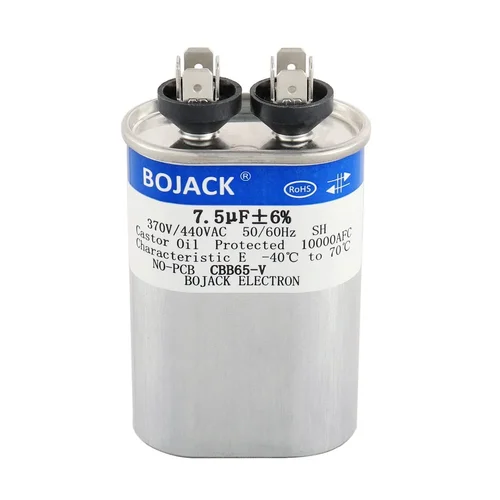
When your Carrier air conditioner starts acting up—whether it’s making strange noises, failing to cool, or refusing to turn on at all—the first instinct might be to call a technician or even consider replacing the entire unit. But before you do, it’s worth understanding that many common AC problems can be resolved simply by replacing a worn-out or faulty part. That’s where this comprehensive buying guide comes in. Whether you’re a homeowner tackling DIY repairs, a property manager maintaining multiple units, or a technician sourcing reliable components, knowing how to choose the right Carrier AC parts can save you time, money, and frustration.
This guide is designed to equip you with everything you need to make informed decisions when purchasing replacement parts for your Carrier air conditioning system. We’ll walk you through the most critical factors to consider—from compatibility and performance specs to warranty coverage and brand authenticity. You’ll also learn about the different types of Carrier AC components available, common mistakes to avoid, budget considerations, and expert tips for getting the best value. By the end, you’ll have a clear roadmap to help you select high-quality, long-lasting parts that keep your cooling system running efficiently for years to come.
The market for HVAC parts has evolved significantly in recent years. With advancements in technology, increased demand for energy efficiency, and a growing emphasis on sustainability, manufacturers like Carrier have introduced more sophisticated components than ever before. At the same time, the rise of online retailers and third-party suppliers has made it easier—but also more confusing—to find the right part. Counterfeit or low-quality knockoffs can compromise system performance and even pose safety risks. This guide cuts through the noise, offering practical, expert-backed advice tailored specifically to Carrier air conditioners, one of the most trusted names in residential and commercial cooling.

What to Look for When Buying Carrier AC Parts
1. Compatibility with Your Model
One of the most critical factors when buying Carrier AC parts is ensuring compatibility with your specific unit. Carrier produces a wide range of air conditioners—from older models like the 38YV and 38XR to newer lines such as the Infinity, Performance, and Comfort series. Each model has unique specifications, including voltage requirements, refrigerant type, compressor size, and electrical configurations. Installing an incompatible part can lead to system malfunctions, reduced efficiency, or even permanent damage.
To verify compatibility, always check your unit’s model and serial number, typically found on a label inside the access panel or on the side of the outdoor condenser. Use this information to cross-reference with the part number provided by Carrier or authorized distributors. Many online retailers offer compatibility tools where you can enter your model number to see a list of compatible parts. If you’re unsure, consult Carrier’s official parts lookup tool or contact their customer support.
2. Genuine vs. Aftermarket Parts
When shopping for Carrier AC parts, you’ll encounter two main options: genuine OEM (Original Equipment Manufacturer) parts and aftermarket alternatives. Genuine Carrier parts are designed and manufactured to meet the exact specifications of your unit. They undergo rigorous testing for performance, durability, and safety, and are backed by Carrier’s warranty. These parts are ideal for critical components like compressors, capacitors, and circuit boards.
Aftermarket parts, on the other hand, are produced by third-party manufacturers and are often significantly cheaper. While some aftermarket components are high quality and perform just as well as OEM parts, others may be poorly made, leading to premature failure or compatibility issues. For example, a low-quality capacitor might overheat and cause your compressor to fail prematurely. If you choose aftermarket parts, stick to reputable brands with positive reviews and certifications (such as UL or ETL listed).
In general, we recommend using genuine Carrier parts for major components and safety-critical items. For less critical parts like filters, fan blades, or drain pans, high-quality aftermarket options can be a cost-effective alternative—just ensure they meet industry standards.
3. Performance Specifications
Every Carrier AC part has specific performance specifications that determine how well it will function within your system. These include electrical ratings (voltage, amperage, wattage), physical dimensions, refrigerant compatibility (R-410A, R-22, etc.), and thermal tolerances. For example, a compressor must match the tonnage and refrigerant type of your unit. Using a 3-ton compressor in a 4-ton system will result in insufficient cooling and increased strain on the motor.
Pay close attention to specs like microfarad (µF) ratings for capacitors, RPM for fan motors, and pressure ratings for expansion valves. Even small deviations can affect system performance. Always refer to your unit’s service manual or consult a professional if you’re uncertain about the required specifications. Some online retailers provide detailed spec sheets for each part, making it easier to compare options.
4. Build Quality & Durability
The longevity of your Carrier AC system depends heavily on the quality of its components. High-quality parts are made from durable materials—such as corrosion-resistant aluminum, heavy-duty copper windings, and reinforced plastics—that can withstand extreme temperatures, humidity, and continuous operation. Look for parts with robust construction, tight seals, and protective coatings, especially for outdoor components like condenser coils and fan motors.
Durability is particularly important in harsh climates. If you live in a coastal area, for instance, salt air can accelerate corrosion. In this case, opt for parts with anti-corrosion treatments or stainless steel hardware. Similarly, in regions with frequent power surges, investing in surge-protected capacitors or contactors can prevent electrical damage. Reading customer reviews and checking for certifications (like NEMA or IP ratings) can give you insight into a part’s real-world durability.
5. Warranty & Support
A strong warranty is a strong indicator of a part’s quality and the manufacturer’s confidence in its product. Carrier typically offers a 1-year warranty on genuine parts, with some components like compressors covered for up to 5 or 10 years under extended plans. Aftermarket parts may come with shorter warranties—sometimes as little as 90 days—so read the fine print carefully.
Beyond the warranty period, consider the availability of customer support. Can you easily reach a technician if something goes wrong? Does the seller offer installation guidance or troubleshooting assistance? Authorized Carrier dealers and reputable online retailers often provide better support than discount suppliers. Additionally, some warranties require professional installation—so if you’re doing a DIY repair, make sure the part’s warranty doesn’t void if installed by a non-certified technician.
6. Price & Value
Price is always a consideration, but it shouldn’t be the only one. While it’s tempting to go for the cheapest option, especially for expensive components like compressors or control boards, low-cost parts often come with hidden costs—shorter lifespan, higher failure rates, and potential damage to other system components. That said, you don’t always need to pay top dollar for quality.
Look for parts that offer the best balance of price, performance, and reliability. Compare prices across multiple retailers, but also factor in shipping costs, return policies, and warranty coverage. Sometimes paying $50 more for a part with a 5-year warranty and free returns is a smarter long-term investment than saving $20 on a no-name component that fails in six months.
7. Availability & Lead Time
When your AC breaks down in the middle of summer, you don’t want to wait weeks for a replacement part. Availability and lead time are crucial, especially for high-demand components like capacitors, contactors, and thermostats. Genuine Carrier parts are widely available through authorized dealers, HVAC supply houses, and major online retailers like Grainger, SupplyHouse.com, and Carrier’s official parts store.
However, some older or less common models may have limited stock, leading to longer wait times. In such cases, consider whether a compatible aftermarket part is available sooner. Always check estimated delivery dates before placing an order, and opt for expedited shipping if your system is down. Some suppliers also offer local pickup options, which can save time.
8. User Reviews & Ratings
Before making a purchase, take the time to read user reviews and ratings. Real-world feedback from other homeowners and technicians can reveal important insights about a part’s performance, ease of installation, and reliability. Look for reviews that mention specific models, installation experiences, and any issues encountered.
Pay attention to patterns—if multiple users report the same problem (e.g., a capacitor failing within months), it’s a red flag. On the other hand, consistent praise for durability and performance is a good sign. Websites like Amazon, HVAC-Talk forums, and Reddit’s r/hvacadvice community are excellent sources of honest, unfiltered feedback.
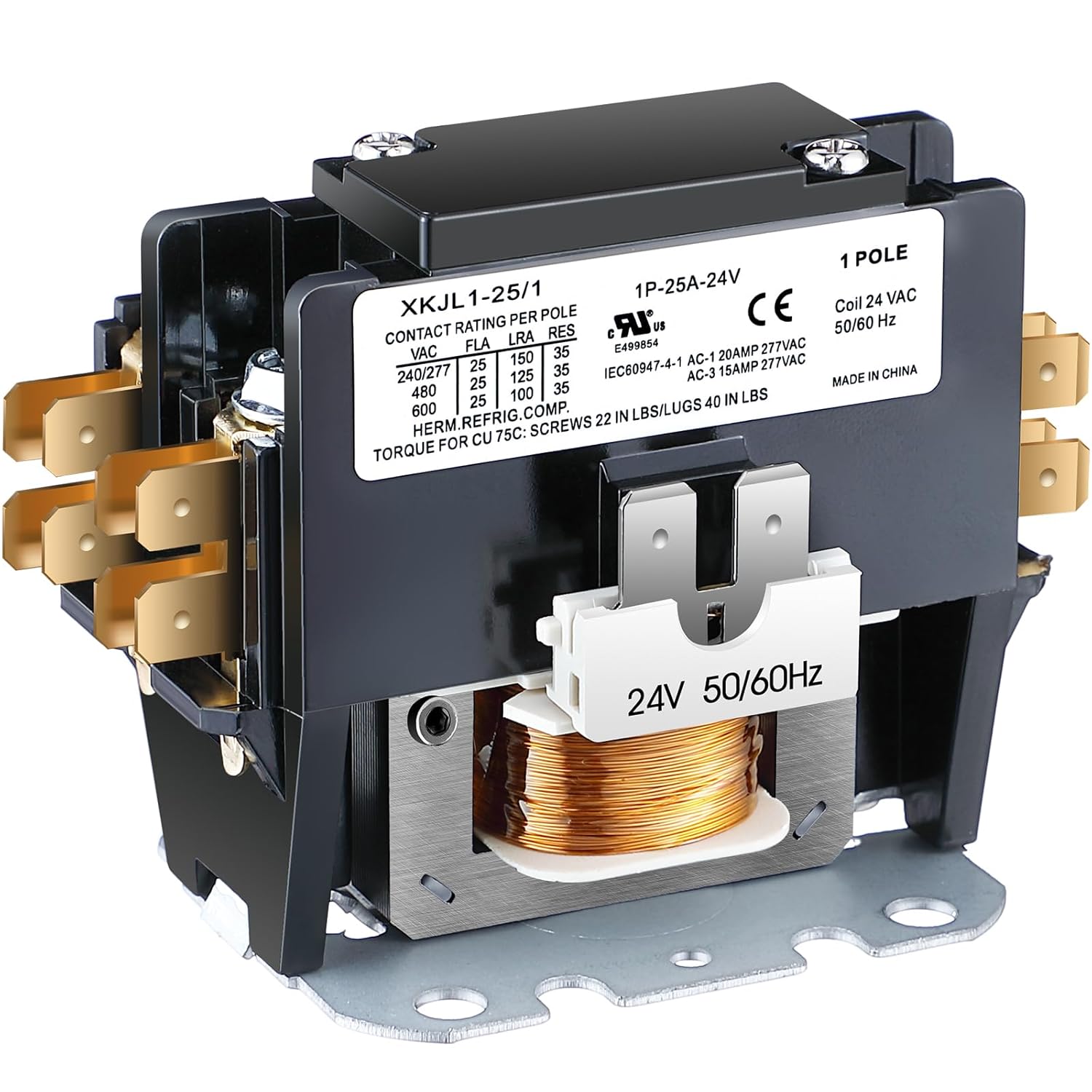
Different Types of Carrier AC Parts
Common Buying Mistakes to Avoid
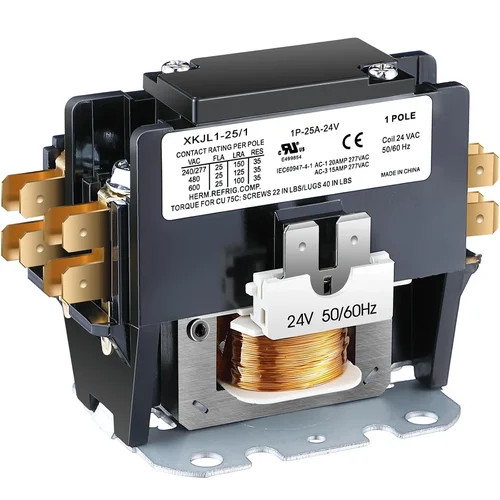
❌ Mistake: Buying Without Checking Compatibility
Why it’s bad: Installing an incompatible part can cause immediate failure, damage other components, or even create safety hazards like electrical shorts or refrigerant leaks. For example, using a capacitor with the wrong microfarad rating can burn out your compressor.
What to do instead: Always verify your unit’s model and serial number. Use Carrier’s official parts lookup tool or consult a professional if you’re unsure. When in doubt, contact the seller for confirmation.
❌ Mistake: Choosing the Cheapest Part Available
Why it’s bad: Extremely low prices often indicate poor quality, counterfeit parts, or refurbished components sold as new. These parts may fail quickly, leading to repeated repairs and higher long-term costs.
What to do instead: Compare prices across reputable retailers and prioritize value over the lowest price. Look for parts with good warranties and positive reviews, even if they cost a bit more.
❌ Mistake: Ignoring Warranty Terms
Why it’s bad: Some warranties are voided if the part is installed by a non-certified technician. Others may require proof of purchase or registration within a certain timeframe. Failing to follow these terms can leave you without coverage when you need it most.
What to do instead: Read the warranty details carefully before purchasing. Keep your receipt and register the part if required. If you’re doing a DIY install, confirm whether the warranty still applies.
❌ Mistake: Overlooking Shipping and Return Policies
Why it’s bad: If a part arrives damaged or is the wrong item, a restrictive return policy can leave you stuck with a useless component. High shipping costs can also negate any upfront savings.
What to do instead: Choose retailers with clear return policies (at least 30 days), free return shipping, and fast processing. Check shipping costs upfront and consider local pickup if available.
❌ Mistake: Not Researching the Seller
Why it’s bad: Buying from unknown or unverified sellers increases the risk of receiving counterfeit, used, or defective parts. Some sellers may not honor warranties or provide support.
What to do instead: Stick to authorized Carrier dealers, well-known HVAC suppliers, or trusted online marketplaces with buyer protection. Check seller ratings and reviews before purchasing.
❌ Mistake: Skipping Professional Diagnosis
Why it’s bad: Replacing parts without proper diagnosis can lead to unnecessary expenses. For example, a faulty thermostat might be blamed for cooling issues that are actually caused by a clogged filter or low refrigerant.
What to do instead: If you’re unsure of the problem, consult a licensed HVAC technician for a proper diagnosis. Many issues can be resolved without replacing major components.
Budget Guidelines: How Much Should You Spend?
When it comes to Carrier AC parts, your budget will largely depend on the component you’re replacing and whether you choose genuine or aftermarket options. Here’s a breakdown of what to expect at different price tiers:
- Entry-Level ($10 – $100): This range covers basic components like air filters, capacitors, contactors, and fuses. These are often the first parts to fail and are relatively inexpensive to replace. While you can find budget-friendly options here, avoid extremely cheap parts—especially for electrical components—as they may pose safety risks.
- Mid-Range ($100 – $500): This is the sweet spot for most homeowners. It includes items like thermostats, fan motors, pressure switches, and condenser coils. You’ll find a good balance of quality and affordability here, with many genuine Carrier parts available at competitive prices. This tier is ideal for DIY repairs and routine maintenance.
- Premium ($500 – $1,500): High-cost components like compressors, circuit boards, and variable-speed motors fall into this category. These are critical to system operation and should ideally be genuine Carrier parts. While expensive, investing in quality here can extend the life of your AC unit and prevent further damage.
- Luxury ($1,500+): This tier includes top-tier compressors, advanced control systems, and custom or rare parts for older models. These are typically reserved for professional installations or full system overhauls. If your unit is over 15 years old, consider whether replacing major components is more cost-effective than upgrading to a new system.
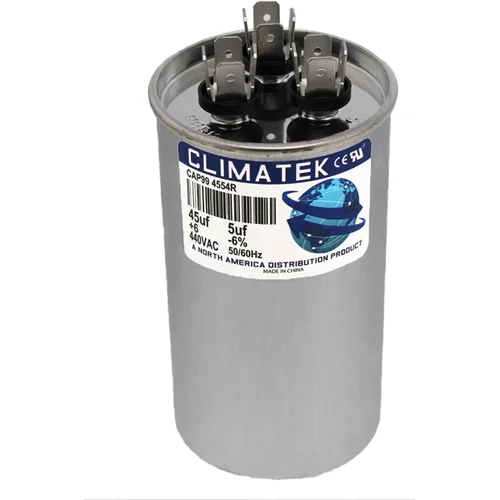
Expert Tips for Getting the Best Deal
- Buy During Off-Peak Seasons: HVAC parts are often discounted in fall and winter when demand is low. Retailers may offer promotions to clear inventory before the summer rush. Stock up on filters, capacitors, and other common replacements during these months.
- Shop at Authorized Dealers: While online marketplaces like Amazon offer convenience, authorized Carrier dealers and HVAC supply houses often have better pricing, expert support, and access to genuine parts. They may also offer bulk discounts or loyalty programs.
- Compare Multiple Retailers: Prices can vary significantly between suppliers. Use price comparison tools or check sites like SupplyHouse.com, Grainger, and Carrier’s official parts store to find the best deal.
- Look for Bundle Deals: Some retailers offer discounts when you buy multiple parts together—such as a capacitor and contactor kit. This can save you money and ensure compatibility.
- Check for Rebates and Incentives: Carrier occasionally offers rebates on certain parts, especially when upgrading to energy-efficient models. Check their website or ask your dealer about current promotions.
- Read Return Policies Carefully: Ensure the seller allows returns within at least 30 days and covers return shipping if the part is defective or incorrect. Avoid sellers with restocking fees or short return windows.
- Test Before Finalizing Installation: Once you receive a part, test it (if possible) before fully installing it. For example, use a multimeter to check a capacitor’s microfarad rating. This helps catch defective parts early.
- Keep Records: Save receipts, warranty information, and installation notes. This helps with future repairs, warranty claims, and resale value if you ever sell your home.

Frequently Asked Questions
Q: Can I replace Carrier AC parts myself?
A: Yes, many Carrier AC parts—like capacitors, contactors, filters, and thermostats—can be safely replaced by homeowners with basic tools and electrical knowledge. However, components involving refrigerant (like compressors or coils) should only be handled by licensed HVAC technicians due to safety and environmental regulations.
Q: How do I find the right part number for my Carrier unit?
A: Locate the model and serial number on your unit’s label. Use Carrier’s official parts lookup tool on their website, or enter the model number on retailer sites like SupplyHouse.com to see compatible parts. You can also contact Carrier customer support with your unit details.
Q: Are aftermarket Carrier parts safe to use?
A: Some aftermarket parts are safe and high quality, especially from reputable brands. However, avoid cheap, unbranded components—particularly for electrical or refrigerant-related parts. Always check for certifications and read reviews before purchasing.
Q: How long do Carrier AC parts typically last?
A: Lifespan varies by component. Capacitors and contactors may last 5–10 years, while compressors can last 10–15 years with proper maintenance. Filters should be replaced every 1–3 months. Regular maintenance can extend the life of all parts.
Q: What should I do if my part fails under warranty?
A: Contact the seller or Carrier directly with your proof of purchase and part number. Most warranties cover defects in materials or workmanship. If the part was professionally installed, the technician may also assist with the claim.
Q: Can I use parts from other brands in my Carrier AC?
A: In some cases, yes—especially for universal components like capacitors or thermostats. However, for critical parts like compressors or control boards, it’s best to use genuine Carrier parts to ensure compatibility and maintain warranty coverage.
Q: Where is the best place to buy Carrier AC parts online?
A: Authorized dealers like SupplyHouse.com, Grainger, and Carrier’s official parts store are reliable options. Amazon and eBay can be convenient but require extra caution—verify seller ratings and part authenticity.
Q: How do I know if my AC problem is due to a faulty part?
A: Common signs include unusual noises, failure to start, reduced cooling, or frequent cycling. Use a multimeter to test electrical components, or consult a technician for a full diagnosis. Never assume—misdiagnosis can lead to unnecessary replacements.
Our Final Recommendations
- Best for Budget-Conscious Buyers: Universal Capacitors (e.g., Titan or Amrad) – Reliable, affordable, and compatible with most Carrier models. Ideal for DIYers looking to save on common electrical fixes.
- Best Overall Value: Genuine Carrier Capacitors and Contactors – Offer the perfect balance of quality, compatibility, and price. Backed by warranty and designed specifically for your unit.
- Best Premium Option: Carrier Genuine Compressor (e.g., for Infinity Series) – For critical repairs, investing in a factory-original compressor ensures maximum performance, efficiency, and longevity.
- Best for Beginners: Carrier Smart Thermostats (e.g., Côr or Infinity Touch) – Easy to install, user-friendly, and improve energy efficiency. Great first upgrade for new homeowners.
- Best for Advanced Users: Variable-Speed Fan Motors (e.g., ECM Motors) – Offer superior comfort and energy savings. Ideal for those looking to upgrade their system’s performance.
Conclusion: Making the Right Choice
Choosing the right Carrier AC parts doesn’t have to be overwhelming. By focusing on compatibility, quality, and value, you can keep your cooling system running smoothly without breaking the bank. Remember to prioritize genuine parts for critical components, read reviews, and always verify specifications before purchasing. Avoid common pitfalls like buying incompatible parts or ignoring warranties, and take advantage of seasonal sales and expert support when available.
Ultimately, the best part for you is the one that matches your unit, fits your budget, and delivers reliable performance. Whether you’re replacing a $20 capacitor or investing in a $2,000 compressor, taking the time to make an informed decision will pay off in comfort, efficiency, and peace of mind. When in doubt, consult a professional—but with the knowledge from this guide, you’ll be well-equipped to handle most repairs with confidence.
Don’t wait until your AC fails on the hottest day of the year. Stay proactive, keep spare parts on hand when possible, and treat your Carrier system with the care it deserves. Your home—and your wallet—will thank you.