
Understanding the cost of a Carrier air conditioner unit goes beyond the sticker price. From unit size and efficiency to installation complexity and long-term energy savings, multiple factors influence your total investment. This guide breaks down everything you need to know to make a smart, informed decision.
Key Takeaways
- Carrier air conditioner unit cost ranges from $3,500 to $7,500+ depending on model, size, and efficiency rating.
- SEER2 ratings impact both upfront cost and long-term savings—higher efficiency models cost more but reduce energy bills.
- Installation fees can add $1,000–$3,000 based on home layout, ductwork, and labor rates.
- Carrier offers multiple product lines, from budget-friendly Comfort series to premium Infinity models with smart features.
- Rebates and tax credits can lower your net cost by hundreds of dollars if you qualify for energy efficiency incentives.
- Regular maintenance extends system life and helps avoid costly repairs down the road.
- Professional sizing and consultation are essential to avoid overspending on an oversized or undersized unit.
📑 Table of Contents
- Understanding the True Cost of a Carrier Air Conditioner Unit
- What Affects the Price of a Carrier Air Conditioner Unit?
- Installation Costs: What You Need to Know
- Additional Costs to Consider
- How to Save Money on a Carrier Air Conditioner Unit
- Is a Carrier Air Conditioner Unit Worth the Cost?
- Final Tips for Buying a Carrier Air Conditioner Unit
- Conclusion
Understanding the True Cost of a Carrier Air Conditioner Unit
When it comes to staying cool during those sweltering summer months, a reliable air conditioner isn’t just a luxury—it’s a necessity. And if you’re considering a Carrier air conditioner unit, you’re looking at one of the most trusted names in the HVAC industry. But how much does a Carrier air conditioner unit actually cost? The answer isn’t as simple as checking a price tag. The total cost involves more than just the unit itself. It includes installation, energy efficiency, system size, and even long-term savings.
Carrier has been a leader in home cooling for over a century, known for innovation, durability, and performance. Whether you’re replacing an old system or installing one for the first time, understanding the full scope of costs will help you budget wisely and avoid surprises. In this guide, we’ll walk you through every factor that affects the price of a Carrier air conditioner unit—from the different models available to hidden costs and money-saving tips.
What Affects the Price of a Carrier Air Conditioner Unit?
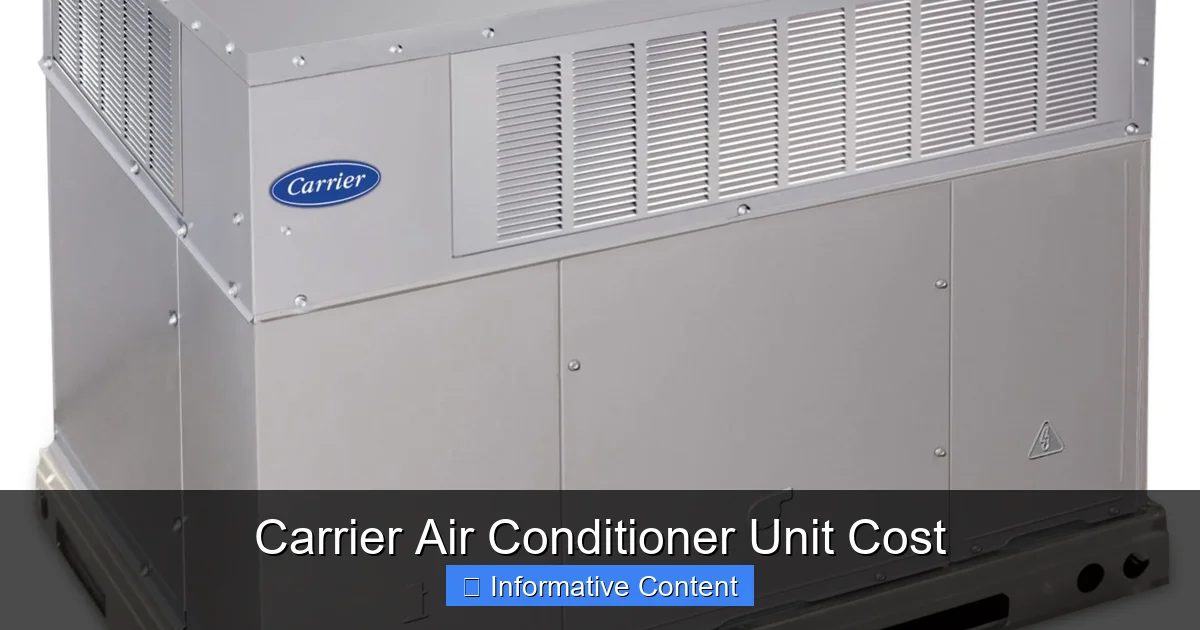
Visual guide about Carrier Air Conditioner Unit Cost
Image source: 5.imimg.com
Several key factors determine how much you’ll pay for a Carrier air conditioner unit. Let’s break them down so you can make an informed decision.
Unit Size and Cooling Capacity
One of the biggest influences on cost is the size of the unit, measured in tons. A ton equals 12,000 BTUs (British Thermal Units) of cooling power. Most homes need between 1.5 and 5 tons, depending on square footage, insulation, climate, and sun exposure.
For example:
– A 1,200 sq. ft. home might need a 2-ton unit.
– A 2,500 sq. ft. home could require a 4-ton system.
Choosing the right size is crucial. An oversized unit will cycle on and off too frequently, wasting energy and wearing out parts faster. An undersized unit will struggle to cool your home, running constantly and driving up your electricity bill. A professional HVAC contractor will perform a Manual J load calculation to determine the correct size for your home.
SEER2 Rating and Energy Efficiency
SEER2 (Seasonal Energy Efficiency Ratio 2) measures how efficiently your air conditioner uses electricity over a typical cooling season. The higher the SEER2 rating, the more efficient the unit—and the lower your energy bills.
As of 2023, the U.S. Department of Energy requires new air conditioners to have a minimum SEER2 rating of 13–14, depending on your region. Carrier offers units ranging from 14 SEER2 (entry-level) to over 26 SEER2 (top-tier models).
Here’s how efficiency affects cost:
– A 14 SEER2 unit might cost $3,500–$4,500.
– A 20+ SEER2 unit could cost $6,000–$7,500 or more.
While high-efficiency models have a higher upfront cost, they can save you hundreds of dollars per year on energy. For example, upgrading from a 14 SEER2 to a 20 SEER2 unit could reduce your cooling costs by up to 30%. Over 10–15 years, those savings add up.
Carrier Product Lines and Features
Carrier offers several product lines, each designed for different budgets and needs. The price varies significantly between them.
– Comfort Series: The most affordable line, with SEER2 ratings from 14 to 16. Ideal for budget-conscious homeowners who still want reliable cooling. Units start around $3,500.
– Performance Series: Mid-range models with better efficiency (up to 18 SEER2) and quieter operation. Prices range from $4,500 to $6,000.
– Infinity Series: Carrier’s premium line, featuring top-tier efficiency (up to 26 SEER2), advanced humidity control, Wi-Fi connectivity, and ultra-quiet operation. These units can cost $6,500 to $7,500 or more.
Higher-end models often include features like:
– Variable-speed compressors for precise temperature control
– Smart thermostats and app-based controls
– Advanced air filtration systems
– Zoning compatibility for multi-area cooling
While these features add to the cost, they also improve comfort, air quality, and convenience.
Installation Costs: What You Need to Know
The price of the unit is only part of the equation. Installation can add $1,000 to $3,000—or even more—to your total cost. Here’s why.
Labor and Contractor Rates
HVAC installation is a skilled job that requires licensed professionals. Labor costs vary by region, contractor experience, and demand. In high-cost areas like California or New York, labor can be significantly higher than in the Midwest or South.
On average, expect to pay:
– $1,000–$2,000 for standard installation
– $2,000–$3,000+ for complex jobs
Factors that increase labor time (and cost) include:
– Replacing an old system with different ductwork
– Installing a new electrical circuit
– Working in tight or hard-to-reach spaces
– Permits and inspections
Ductwork and Home Modifications
If your home already has well-maintained ductwork, installation is simpler and cheaper. But if ducts are damaged, undersized, or missing, you’ll need repairs or replacements—adding $500 to $2,000 or more.
Some older homes may not have central ductwork at all. In that case, you might need to install ducts or consider a ductless mini-split system. While Carrier doesn’t manufacture mini-splits, their dealers may offer compatible systems or recommend alternatives.
Permits and Inspections
Most cities require permits for HVAC installations. These typically cost $100–$300 and ensure the system meets local building and safety codes. Your contractor usually handles this, but it’s included in the total cost.
Additional Costs to Consider
Beyond the unit and installation, there are other expenses that can affect your budget.
Thermostats and Smart Controls
A basic programmable thermostat might cost $50–$100, but Carrier’s Infinity models often come with advanced smart thermostats like the Carrier Infinity Touch Control. These can cost $300–$600 and offer features like:
– Remote access via smartphone
– Energy usage reports
– Learning your schedule for automatic adjustments
While not required, a smart thermostat can enhance comfort and save energy.
Extended Warranties and Service Plans
Carrier offers manufacturer warranties, but they’re often limited (e.g., 10 years on parts, 1–2 years on labor). Many homeowners opt for extended service plans that cover repairs and maintenance for 5–10 years. These plans typically cost $200–$500 per year.
While not mandatory, they provide peace of mind and can save money if major repairs are needed.
Electrical Upgrades
Older homes may have outdated electrical panels that can’t support a new air conditioner. Upgrading your panel or adding a dedicated circuit can cost $500–$1,500. Your contractor will assess this during the initial evaluation.
How to Save Money on a Carrier Air Conditioner Unit
A new air conditioner is a big investment, but there are ways to reduce the cost without sacrificing quality.
Take Advantage of Rebates and Tax Credits
The federal government and many utility companies offer rebates for high-efficiency HVAC systems. For example:
– The Inflation Reduction Act (IRA) provides tax credits up to $600 for qualifying air conditioners.
– Some states offer additional rebates—check with your local utility provider.
These incentives can lower your net cost by $500–$1,000 or more. Always ask your contractor about available programs.
Get Multiple Quotes
Don’t settle for the first estimate. Get quotes from at least three licensed HVAC contractors. Compare not just the price, but also:
– Equipment models and efficiency
– Warranty terms
– Installation timeline
– Customer reviews
This helps ensure you’re getting fair pricing and quality service.
Time Your Purchase
HVAC contractors are busiest in summer. Buying in spring or fall may give you more negotiating power and faster installation. Some dealers also offer seasonal promotions or financing deals.
Consider Financing Options
Many Carrier dealers offer financing plans with low or no interest for qualified buyers. This lets you spread the cost over 12–60 months, making a high-end system more affordable.
Maintain Your System
Regular maintenance—like changing filters, cleaning coils, and annual tune-ups—can extend your system’s life by 5–10 years. That means delaying the cost of a replacement and avoiding emergency repairs.
Is a Carrier Air Conditioner Unit Worth the Cost?
With prices ranging from $3,500 to $7,500+, you might wonder: is a Carrier air conditioner unit worth it? The answer depends on your priorities.
Carrier units are known for:
– Reliability: Built to last 15–20 years with proper care.
– Performance: Consistent cooling even in extreme heat.
– Innovation: Leading-edge technology for comfort and efficiency.
– Warranty Support: Strong dealer network and customer service.
While cheaper brands may have lower upfront costs, they often lack the durability, efficiency, and support of Carrier. Over time, a Carrier unit can save you money through lower energy bills and fewer repairs.
If you plan to stay in your home long-term, investing in a high-quality system like Carrier makes sense. For short-term living, a mid-range model may be sufficient.
Final Tips for Buying a Carrier Air Conditioner Unit
Before you make a decision, keep these tips in mind:
1. Get a professional load calculation. Don’t guess the size—let an expert determine the right tonnage.
2. Prioritize efficiency if you live in a hot climate. High SEER2 ratings pay off in energy savings.
3. Ask about bundled deals. Some dealers offer discounts when you install both an air conditioner and furnace.
4. Read reviews and check contractor credentials. Look for NATE-certified technicians and positive customer feedback.
5. Don’t skip maintenance. A well-maintained unit runs better and lasts longer.
Conclusion
The cost of a Carrier air conditioner unit isn’t just about the price tag—it’s about value, performance, and long-term savings. While you can find models starting around $3,500, the total investment often falls between $4,500 and $7,500 when you include installation, efficiency upgrades, and smart features.
By understanding the factors that influence cost—like unit size, SEER2 rating, product line, and installation complexity—you can make a smart, budget-friendly choice. And with rebates, financing, and energy savings, a Carrier system can be a worthwhile investment in your home’s comfort and efficiency.
Whether you’re upgrading an old unit or installing one for the first time, take the time to research, compare quotes, and choose a system that fits your needs. With the right Carrier air conditioner unit, you’ll enjoy cool, comfortable summers for years to come.
Frequently Asked Questions
How much does a Carrier air conditioner unit cost on average?
The average cost of a Carrier air conditioner unit ranges from $3,500 to $7,500, including the unit and standard installation. Prices vary based on model, size, efficiency, and location.
Are Carrier air conditioners more expensive than other brands?
Carrier units are typically priced in the mid-to-high range compared to other brands. While not the cheapest, they offer strong reliability, advanced features, and excellent customer support, making them a good value for many homeowners.
Can I install a Carrier air conditioner myself to save money?
No, HVAC installation should always be done by a licensed professional. Improper installation can void warranties, reduce efficiency, and even pose safety risks. Always hire a certified technician.
Do Carrier air conditioners qualify for tax credits?
Yes, many Carrier models with high SEER2 ratings (16 or higher) qualify for federal tax credits under the Inflation Reduction Act, potentially saving you up to $600. Check with your contractor for eligibility.
How long does a Carrier air conditioner last?
With proper maintenance, a Carrier air conditioner can last 15 to 20 years. Regular tune-ups, filter changes, and prompt repairs help maximize lifespan and performance.
Is a higher SEER2 rating always better?
Not always. While higher SEER2 ratings mean greater efficiency and lower energy bills, they also cost more upfront. The best choice depends on your climate, usage, and budget. A professional can help you find the right balance.