
Carrier air conditioners are known for reliability, but like any HVAC system, they can develop issues over time. From refrigerant leaks to thermostat malfunctions, understanding common problems helps you act fast and avoid costly repairs.
If you’ve invested in a Carrier air conditioner, you likely did so because of the brand’s reputation for durability, energy efficiency, and quiet operation. Carrier has been a leader in HVAC innovation for over a century, and their units are trusted by homeowners across the country. But even the best systems aren’t immune to problems—especially when they’re pushed to their limits during hot summer months.
That’s why it’s important to recognize the signs of trouble early. A well-maintained Carrier AC can last 15 to 20 years, but neglecting routine care or ignoring warning signals can shorten that lifespan significantly. Whether you’re dealing with weak airflow, strange noises, or a system that won’t turn on at all, understanding the root causes of common Carrier air conditioner problems empowers you to take action—whether that means a simple DIY fix or calling in a professional.
In this guide, we’ll walk you through the most frequent issues Carrier owners face, explain what’s causing them, and offer practical solutions. We’ll also share tips on preventive maintenance so you can keep your system running smoothly for years to come. Think of this as your go-to resource for keeping cool without the stress.
Key Takeaways
- Refrigerant leaks are a top cause of poor cooling: Low refrigerant levels reduce efficiency and can damage the compressor if left unchecked.
- Dirty air filters restrict airflow: Clogged filters make your AC work harder, increasing energy bills and reducing indoor air quality.
- Thermostat issues often mimic bigger problems: A faulty thermostat can make your system seem broken when it’s actually just misreading temperatures.
- Frozen evaporator coils signal airflow or refrigerant issues: Ice buildup usually means restricted airflow or low refrigerant, not a mechanical failure.
- Electrical problems can cause sudden shutdowns: Faulty capacitors, relays, or wiring may prevent your unit from starting or running properly.
- Regular maintenance prevents most issues: Annual tune-ups help catch small problems before they become expensive repairs.
- Know when to call a professional: While some fixes are DIY-friendly, refrigerant handling and electrical work require certified technicians.
📑 Table of Contents
Common Carrier Air Conditioner Problems and How to Fix Them
Even the most reliable air conditioners can run into trouble. Carrier units are no exception. While they’re built to last, factors like age, weather, poor installation, or lack of maintenance can lead to performance issues. The good news? Many of these problems are preventable—or at least easier to fix when you know what to look for.
Let’s dive into the most common Carrier air conditioner problems, starting with the ones that affect cooling performance and energy efficiency.
1. Weak or No Cooling
One of the most frustrating issues is turning on your AC and feeling little to no cool air. If your Carrier unit is running but not cooling your home, several things could be at play.
First, check your thermostat. Is it set to “cool” and the temperature lower than the current room temperature? It sounds obvious, but it’s a common mistake—especially after a power outage or when someone else has used the system.
Next, inspect the air filter. A dirty filter restricts airflow, which reduces cooling power and can cause the evaporator coil to freeze. If your filter looks gray or clogged with dust, replace it. Most experts recommend changing it every 1–3 months, depending on usage and household factors like pets or allergies.
If the filter is clean and the thermostat is set correctly, the issue might be low refrigerant. Refrigerant is the substance that absorbs heat from your home and releases it outside. If levels are low—usually due to a leak—your system won’t cool effectively. You might notice hissing sounds near the indoor unit or ice buildup on the refrigerant lines. Low refrigerant is not something you can fix yourself; it requires a licensed technician to locate the leak, repair it, and recharge the system safely.
Another possibility is a dirty condenser coil. Located in the outdoor unit, the condenser coil releases heat from your home. If it’s covered in dirt, grass, or debris, it can’t do its job efficiently. Gently clean the coil with a garden hose (with the power off) to improve performance.
Finally, check the circuit breaker. If the AC won’t turn on at all, a tripped breaker or blown fuse could be the culprit. Reset the breaker and see if the system starts. If it trips again immediately, there’s likely an electrical issue that needs professional attention.
2. Frozen Evaporator Coil
Finding ice on your indoor air handler or refrigerant lines is a clear sign something’s wrong. A frozen evaporator coil doesn’t mean your AC is “too cold”—it’s actually a symptom of an underlying problem.
The most common cause is restricted airflow. When air can’t flow freely over the coil, moisture in the air condenses and freezes. This often happens because of a dirty air filter, closed vents, or blocked return ducts. Start by replacing the filter and making sure all vents are open and unobstructed.
Low refrigerant can also cause freezing. When refrigerant levels drop, pressure in the system drops too, which lowers the temperature of the coil below freezing. This leads to ice buildup even when the system is running. Again, this requires a professional to diagnose and fix.
Another factor is a malfunctioning blower fan. If the fan isn’t moving enough air across the coil, ice can form. Listen for unusual noises or weak airflow from the vents. If the fan seems sluggish or isn’t running at all, the motor or capacitor may need replacement.
To defrost the coil, turn off the AC and switch the thermostat to “fan only” mode. Let the ice melt naturally—don’t use sharp objects or heat sources, as this can damage components. Once it’s thawed, address the root cause to prevent it from happening again.
3. Strange Noises
Your Carrier AC should run quietly. If you start hearing unusual sounds, it’s time to investigate.
A loud banging or clanking noise often points to loose or broken parts inside the compressor or fan motor. This could be a failing motor mount or debris stuck in the fan blades. Turn off the system immediately to prevent further damage and call a technician.
Squealing or screeching sounds usually come from the blower motor or fan belt (if your unit has one). Over time, belts can wear out or motors can lose lubrication, causing friction and noise. A technician can replace the belt or service the motor.
Hissing or bubbling noises may indicate a refrigerant leak. As mentioned earlier, this is a serious issue that affects cooling and can harm the environment. Don’t ignore it—schedule a service call right away.
Clicking sounds when the system turns on or off are normal, but if they persist or happen randomly, it could signal an electrical problem like a failing relay or control board. These components control when the compressor and fan start and stop, and malfunctions can cause short cycling or failure to start.
Rattling noises often come from loose panels or screws on the outdoor unit. Tighten any visible fasteners, but be careful not to over-tighten. If the noise continues, there may be internal loose parts that need professional attention.
4. Frequent Cycling or Short Cycling
Short cycling happens when your AC turns on and off rapidly instead of running in normal cooling cycles. This not only reduces comfort but also increases wear and tear on components, leading to higher energy bills and premature failure.
One common cause is an oversized unit. If your Carrier AC is too big for your home, it cools the space too quickly, then shuts off before completing a full cycle. This leads to uneven temperatures and humidity problems. Unfortunately, replacing an oversized unit is the only real fix—consult an HVAC professional to assess your home’s cooling needs.
Dirty air filters or blocked vents can also cause short cycling. When airflow is restricted, the system overheats and shuts down as a safety measure. Replace the filter and ensure all vents are open.
A malfunctioning thermostat can misread room temperature, causing the system to cycle incorrectly. If your thermostat is old or located in a drafty or sunny spot, it may not be accurate. Consider upgrading to a programmable or smart thermostat for better control.
Low refrigerant can also trigger short cycling. As the system struggles to cool, it may overheat and shut down repeatedly. Again, this requires professional diagnosis and repair.
Finally, electrical issues like a failing capacitor or contactor can prevent the compressor from staying on. These components help start and run the motor, and when they fail, the system may start briefly then shut off. A technician can test and replace these parts.
5. Water Leaks or Drainage Issues
Air conditioners produce condensation as they cool your home. This moisture is normally collected and drained away through a condensate drain line. But if the line gets clogged, water can back up and leak into your home.
A clogged drain line is the most common cause of AC leaks. Dirt, algae, or mold can build up inside the pipe, blocking the flow of water. You might notice water pooling around the indoor unit or dampness on the floor.
To fix this, locate the drain line (usually a PVC pipe near the indoor unit) and use a wet/dry vacuum to suck out the clog. You can also flush it with a mixture of water and vinegar to kill mold and prevent future growth. Some homeowners install a drain line cleaner or float switch to alert them to blockages.
Another cause is a cracked or disconnected drain pan. Over time, the pan that collects condensation can rust or crack, especially in older units. If you see water under the unit but the drain line is clear, inspect the pan for damage. A technician can replace it if needed.
Improper installation can also lead to drainage problems. If the unit isn’t level or the drain line doesn’t slope correctly, water won’t flow out properly. This is something a professional should check during installation or maintenance.
Electrical and Mechanical Failures in Carrier Units
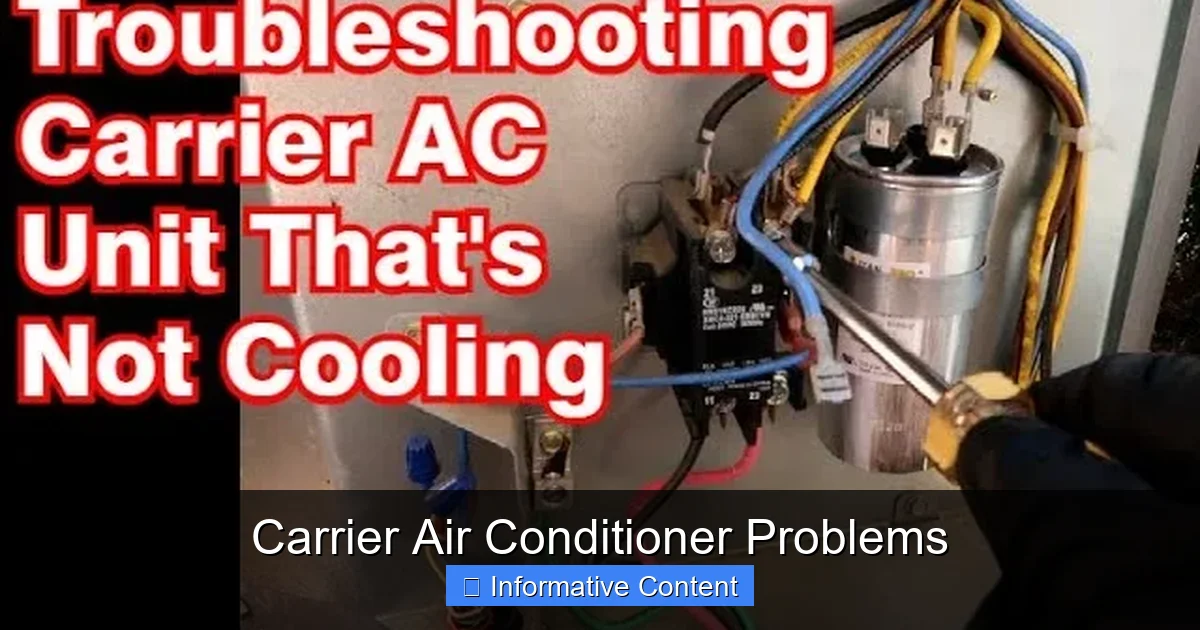
Visual guide about Carrier Air Conditioner Problems
Image source: theblackurbantimes.com
While airflow and refrigerant issues are common, electrical and mechanical failures can be more serious—and dangerous—if ignored. These problems often require professional intervention, but knowing the signs can help you act quickly.
Capacitor Failure
The capacitor is a small but vital component that gives the compressor and fan motors the electrical boost they need to start. Over time, capacitors can wear out, especially in hot weather or if the unit cycles frequently.
A failing capacitor may cause the AC to hum but not start, or the fan to run slowly. You might also notice the system takes longer to cool your home. In some cases, the compressor may overheat and trip the breaker.
Capacitors store electricity even when the power is off, so they should only be handled by a trained technician. Replacing a capacitor is relatively inexpensive, but attempting a DIY fix can be dangerous.
Contactor Problems
The contactor is an electrical switch that controls power to the compressor and fan. When you turn on the AC, the contactor closes, allowing electricity to flow. If it’s worn or pitted, it may not make a solid connection, causing the system to flicker or fail to start.
Signs of a bad contactor include clicking sounds, intermittent operation, or the outdoor unit not turning on. A technician can test the contactor with a multimeter and replace it if needed.
Compressor Failure
The compressor is the heart of your air conditioner. It pumps refrigerant through the system, enabling heat exchange. If it fails, your AC won’t cool at all.
Compressor failure is often the result of long-term issues like low refrigerant, dirty coils, or electrical problems. It can also be caused by age—most compressors last 10–15 years.
Symptoms include the outdoor unit not running, warm air blowing from vents, or a burning smell. Replacing a compressor is expensive—often costing as much as a new unit—so it’s important to maintain your system to extend its life.
Thermostat and Control Issues
Your thermostat is the command center for your Carrier AC. If it’s not working properly, your entire system can seem broken—even if everything else is fine.
Incorrect Temperature Readings
If your thermostat is reading the wrong temperature, your AC may run too long or not enough. This can happen if the thermostat is located near a heat source (like a lamp or window), in a drafty area, or if the sensor is dirty.
Clean the thermostat gently with a soft cloth and make sure it’s level and securely mounted. If it’s an older model, consider upgrading to a digital or smart thermostat for better accuracy and energy savings.
Unresponsive or Blank Display
A blank screen usually means a power issue. Check the circuit breaker and replace the batteries if it’s a battery-powered model. If the display is unresponsive, the thermostat may need to be reset or replaced.
Smart thermostats may lose Wi-Fi connection or fail to communicate with the HVAC system. Try rebooting the device or checking the wiring. If problems persist, consult the manufacturer or a technician.
Preventive Maintenance Tips
The best way to avoid Carrier air conditioner problems is through regular maintenance. A well-cared-for system runs more efficiently, lasts longer, and breaks down less often.
Change the Air Filter Regularly
This simple task can prevent a host of issues. Check your filter every month and replace it every 1–3 months, especially during peak usage.
Clean the Outdoor Unit
Keep the area around the condenser unit clear of leaves, grass, and debris. Trim back plants at least 2 feet on all sides. Clean the coil annually with a garden hose (power off).
Schedule Annual Tune-Ups
Have a licensed HVAC technician inspect your system once a year, preferably before summer. They’ll check refrigerant levels, test electrical components, clean coils, and ensure everything is working properly.
Inspect Ductwork
Leaky or dirty ducts can reduce efficiency and indoor air quality. Seal any visible leaks and consider duct cleaning if you notice dust buildup or mold.
Upgrade to a Smart Thermostat
Smart thermostats learn your schedule, adjust temperatures automatically, and can alert you to potential problems. They also provide energy usage reports to help you save money.
When to Call a Professional
While some issues—like replacing a filter or cleaning the outdoor unit—are safe for homeowners, others require expert help.
Call a technician if you notice:
– Refrigerant leaks (hissing sounds, ice on lines)
– Electrical problems (burning smells, tripped breakers)
– Compressor or motor failure
– Persistent water leaks
– Unusual noises that don’t go away
Always turn off the power before inspecting your unit, and never attempt to handle refrigerant or electrical components yourself.
Conclusion
Carrier air conditioners are built to deliver reliable, efficient cooling—but like any complex system, they can develop problems over time. By understanding the most common issues—from frozen coils and refrigerant leaks to electrical failures and thermostat glitches—you can take proactive steps to keep your system running smoothly.
Regular maintenance is your best defense. Simple tasks like changing the air filter, cleaning the outdoor unit, and scheduling annual tune-ups can prevent many problems before they start. And when issues do arise, knowing the signs helps you decide whether it’s a quick fix or time to call in a professional.
Remember, your AC is a long-term investment. Taking care of it not only keeps you cool and comfortable but also saves money on energy bills and avoids costly repairs down the road. Stay informed, stay proactive, and enjoy the peace of mind that comes with a well-maintained Carrier system.
Frequently Asked Questions
Why is my Carrier air conditioner not cooling?
Common causes include a dirty air filter, low refrigerant, a frozen evaporator coil, or a malfunctioning thermostat. Check the filter first, then inspect for ice buildup or unusual noises. If the problem persists, call a technician.
How often should I replace the air filter in my Carrier AC?
Replace the filter every 1–3 months, depending on usage, household factors like pets or allergies, and the type of filter. Check it monthly and change it when it looks dirty.
Can I fix a refrigerant leak myself?
No, refrigerant handling requires a licensed HVAC technician. Leaks must be located, repaired, and the system recharged safely to avoid environmental harm and ensure proper operation.
Why is my Carrier AC making a loud noise?
Loud noises can indicate loose parts, a failing motor, a refrigerant leak, or electrical issues. Turn off the system and contact a professional to diagnose and repair the problem.
How can I prevent my Carrier AC from freezing up?
Replace dirty air filters, ensure all vents are open, and schedule annual maintenance. Low refrigerant or airflow issues are the most common causes of frozen coils.
Is it worth repairing an old Carrier air conditioner?
If your unit is over 10–15 years old and requires major repairs like a compressor replacement, it may be more cost-effective to upgrade to a newer, more efficient model. A technician can help you decide.