
When your Carrier air conditioner starts acting up—whether it’s making strange noises, not cooling properly, or refusing to turn on at all—the last thing you want is to waste time and money on the wrong replacement part. Air conditioning systems are complex machines, and even minor components can have a major impact on performance, efficiency, and longevity. That’s why understanding how to identify, evaluate, and purchase the right Carrier AC parts is essential for homeowners, property managers, and HVAC technicians alike.
This comprehensive buying guide is designed to cut through the confusion and help you make informed decisions when sourcing replacement parts for your Carrier air conditioning system. Whether you’re dealing with a decade-old unit or a brand-new Infinity Series model, we’ll walk you through everything you need to know—from decoding part numbers and understanding compatibility to navigating warranties and avoiding counterfeit components. You’ll learn how to balance cost with quality, recognize red flags in online listings, and choose suppliers you can trust. By the end of this guide, you’ll be equipped with the knowledge to extend the life of your AC system while maximizing energy efficiency and indoor comfort.
The market for Carrier AC parts has evolved significantly in recent years. With the rise of online retailers, third-party manufacturers, and global supply chains, consumers now have more options than ever—but also more risks. Genuine OEM (Original Equipment Manufacturer) parts offer reliability and peace of mind, but they often come at a premium. Aftermarket alternatives can be more affordable, but vary widely in quality and compatibility. Meanwhile, discontinued models and regional variations add another layer of complexity. This guide will help you navigate these challenges with confidence, ensuring that every dollar you spend delivers real value.
What to Look for When Buying Carrier AC Parts
1. Genuine OEM vs. Aftermarket Parts
One of the most critical decisions you’ll make is whether to purchase genuine Carrier OEM parts or opt for aftermarket alternatives. OEM parts are manufactured by or under license from Carrier Corporation and are designed specifically for your model. They undergo rigorous testing to meet exact specifications for fit, performance, and safety. Aftermarket parts, on the other hand, are produced by third-party companies and may offer lower prices—but often at the expense of quality and reliability.
Genuine OEM parts ensure optimal compatibility, maintain your system’s warranty (in many cases), and typically last longer than their aftermarket counterparts. For example, a Carrier OEM compressor is engineered to work seamlessly with your unit’s refrigerant type, electrical load, and control board. An aftermarket compressor might fit physically, but could cause inefficiencies, premature failure, or even damage to other components. That said, reputable aftermarket brands like Goodman, Rheem, or even some international manufacturers can offer decent performance—especially for older models where OEM parts are hard to find or prohibitively expensive.
2. Compatibility & Model Matching
Carrier produces hundreds of air conditioning models across multiple series—including the Performance, Comfort, and Infinity lines—each with unique configurations and component requirements. A part that fits a 2020 Carrier 24ACC6 may not work with a 2015 24ANB1, even if they appear similar. Compatibility isn’t just about physical dimensions; it also involves electrical ratings, refrigerant compatibility, control protocols, and firmware integration.
To ensure compatibility, start by locating your unit’s model and serial numbers, usually found on a metal nameplate mounted on the outdoor condenser or indoor air handler. Use these to cross-reference parts on Carrier’s official parts portal or trusted HVAC supply websites. Many online retailers now offer compatibility checkers that let you input your model number and filter results accordingly. If you’re unsure, consult a licensed HVAC technician—they can verify part numbers and recommend substitutions when necessary.
3. Budget & Price Range
Air conditioner parts vary dramatically in price depending on the component, brand, and availability. A simple capacitor might cost as little as $15–$30, while a compressor can run anywhere from $400 to over $1,200. Coils, fan motors, and control boards fall somewhere in between. Setting a realistic budget requires understanding both the immediate cost and long-term value.
While it’s tempting to go for the cheapest option, especially for high-ticket items like compressors or evaporator coils, cutting corners can lead to repeated failures, increased energy bills, and shortened system lifespan. Conversely, overspending on premium parts for a system nearing end-of-life may not be cost-effective. A balanced approach considers the age of your unit, expected remaining service life, and total cost of ownership—including labor for installation and potential future repairs.
4. Performance Specifications
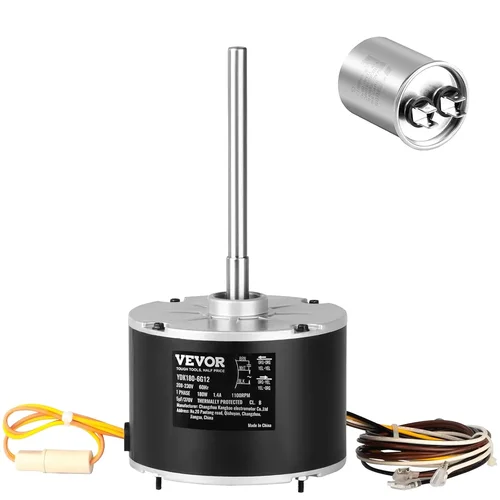
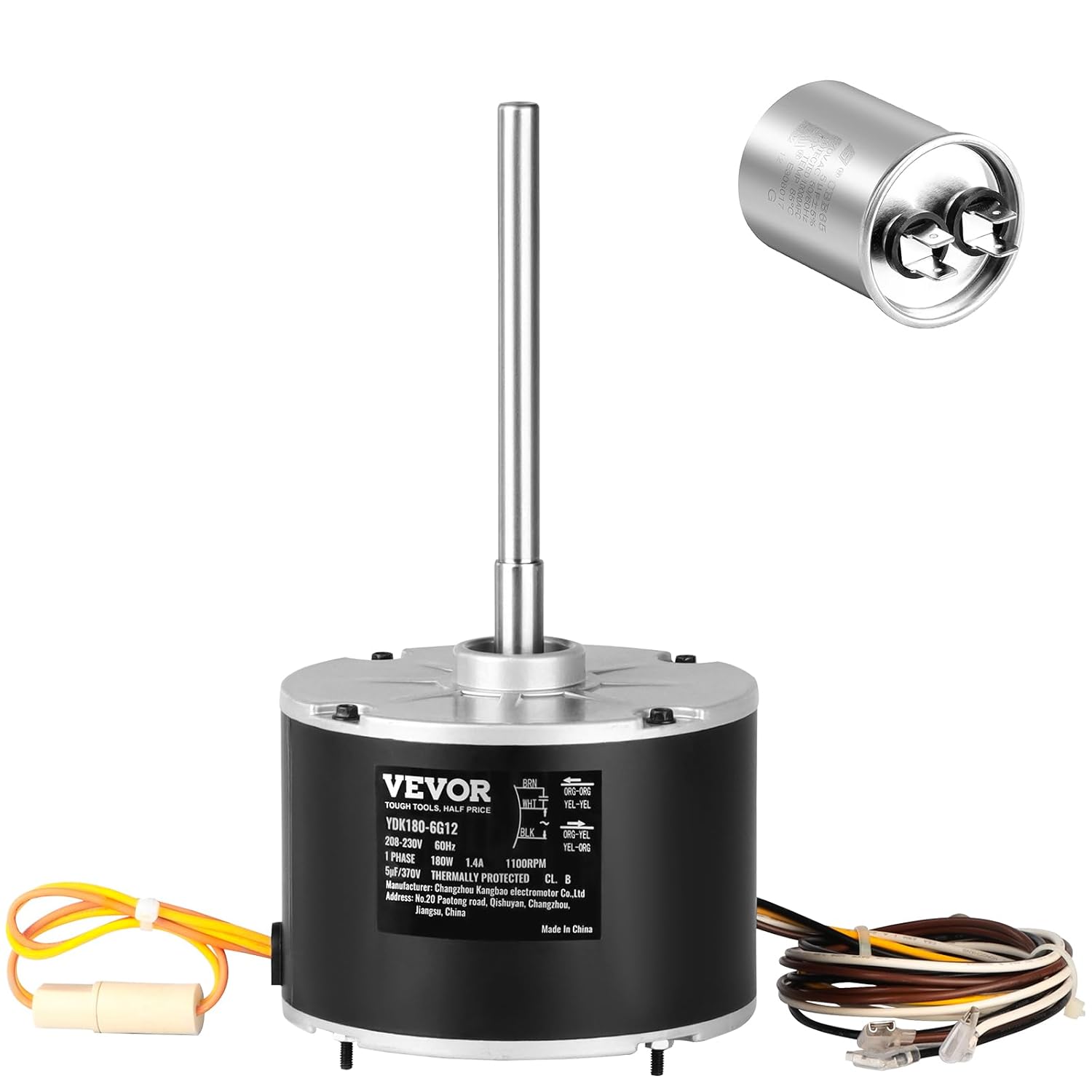
Every AC component has specific performance metrics that affect how well your system operates. For example, a condenser fan motor must match the required horsepower (HP), voltage (typically 115V or 230V), RPM, and frame size. Using an underpowered motor can cause overheating and reduced airflow, while an oversized one may draw excessive current and trip breakers.
Similarly, capacitors must match the microfarad (µF) rating and voltage tolerance specified by the manufacturer. A mismatched capacitor can prevent the compressor or fan from starting, reduce efficiency, or cause premature burnout. Refrigerant metering devices—such as TXVs (Thermostatic Expansion Valves) or fixed orifices—must be calibrated for your system’s tonnage and refrigerant type (R-410A is standard in modern Carrier units).
Always verify specifications before purchasing. Many reputable suppliers provide detailed datasheets or spec tables for each part. If a listing lacks this information, consider it a red flag.
5. Build Quality & Durability
The materials and construction of a part directly influence its lifespan and reliability. High-quality components use corrosion-resistant metals, robust insulation, precision-machined tolerances, and durable seals. For instance, a condenser coil made with enhanced copper tubing and hydrophilic fins will resist rust and maintain heat transfer efficiency far better than a thin, uncoated aluminum alternative.
Look for signs of quality in product descriptions: terms like “heavy-duty,” “corrosion-resistant,” “UL-listed,” or “meets OEM specs” are good indicators. Avoid parts described vaguely as “universal” or “fits most models”—these are often generic knockoffs with inconsistent quality. Reading customer reviews can also reveal real-world durability issues, such as premature capacitor failure or fan motor noise.
6. Warranty & Support
A strong warranty is a hallmark of confidence in a product’s quality. Carrier OEM parts typically come with a 1-year limited warranty, though some high-value components may include longer coverage. Aftermarket parts vary widely—some offer 90 days, others up to 2 years. Always read the fine print: many warranties are voided if the part is installed by an unlicensed technician or used with incompatible systems.
Beyond the warranty, consider the supplier’s customer support. Can you easily return a defective part? Do they offer technical assistance or installation guidance? Reputable HVAC distributors like Grainger, HVACDirect.com, or local Carrier-authorized dealers often provide better post-purchase support than generic e-commerce platforms.
7. Availability & Lead Time
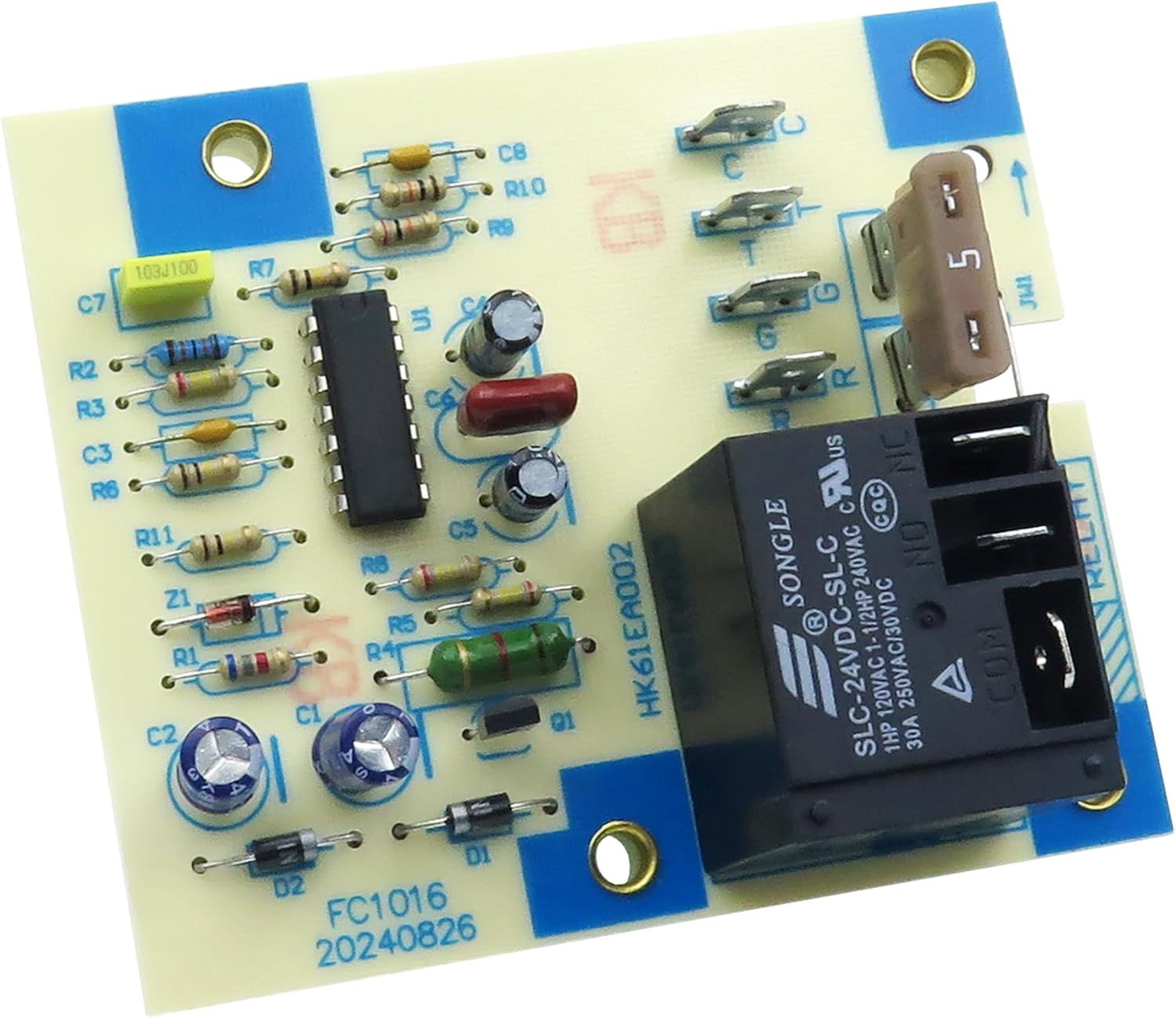
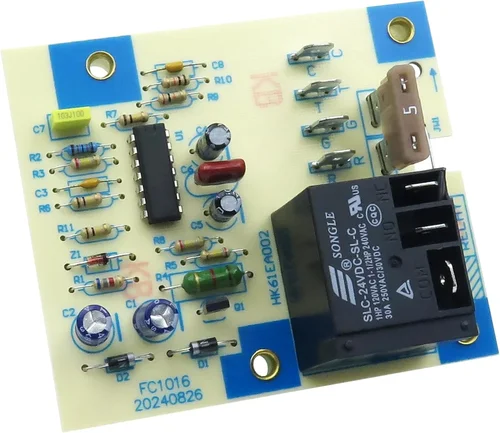
Some Carrier AC parts—especially for older or discontinued models—can be difficult to source. Common items like capacitors, contactors, and filters are usually in stock, but specialized components like control boards or scroll compressors may require special ordering, leading to delays of days or even weeks.
If your AC is down during a heatwave, waiting for a part can be unbearable. Check inventory levels before purchasing, and consider buying critical spares in advance if you live in a hot climate. Some suppliers offer expedited shipping for an additional fee, which may be worth it in emergencies.
8. User Reviews & Ratings
Never underestimate the power of peer feedback. Customer reviews on sites like Amazon, SupplyHouse.com, or HVAC forums can reveal patterns of success or failure that specs sheets won’t show. Look for detailed reviews that mention installation ease, performance over time, and whether the part resolved the original issue.
Be cautious of reviews that seem overly generic (“Great product!”) or suspiciously uniform—these may be fake. Focus on verified purchases and reviews from users with similar model numbers. If multiple people report the same problem (e.g., “motor burned out after 3 months”), it’s a strong signal to avoid that part or seller.
Different Types of Carrier AC Parts
Common Buying Mistakes to Avoid
❌ Mistake: Ignoring the Part Number
Why it’s bad: Many buyers assume that if a part looks similar or fits physically, it will work. However, even minor differences in part numbers can indicate changes in electrical specs, firmware, or mounting design. Installing an incorrect part can damage your system or void your warranty.
What to do instead: Always cross-check the exact part number from your unit’s label or service manual. Use Carrier’s official parts lookup tool or consult a dealer if unsure.
❌ Mistake: Buying Based Solely on Price
Why it’s bad: The cheapest part is rarely the best value. Low-cost capacitors or motors often use inferior materials and fail prematurely, leading to repeated repairs and higher long-term costs.
What to do instead: Compare price per expected lifespan. A $30 capacitor that lasts 5 years is better value than a $15 one that fails in 6 months.
❌ Mistake: Overlooking Warranty Terms
Why it’s bad: Some warranties require professional installation or registration within 30 days. If you miss these steps, you lose coverage—even if the part fails early.
What to do instead: Read warranty details before purchasing. Keep receipts and installation records. Register parts if required.
❌ Mistake: Purchasing from Unverified Sellers
Why it’s bad: Online marketplaces are flooded with counterfeit or refurbished parts sold as new. These may lack safety certifications and pose fire or electrical hazards.
What to do instead: Buy from authorized Carrier dealers, reputable HVAC suppliers, or well-reviewed sellers with verified business profiles.
❌ Mistake: Not Considering Labor Costs
Why it’s bad: A $200 part might seem like a bargain—until you add $300 in technician labor for installation. In some cases, replacing the entire unit may be more economical.
What to do instead: Get a full quote including labor before committing. For systems over 10–12 years old, weigh repair costs against replacement.
❌ Mistake: Skipping Diagnostic Steps
Why it’s bad: Replacing parts without proper diagnosis often leads to wasted money. For example, a failing capacitor might be blamed for a compressor issue that’s actually caused by low refrigerant.
What to do instead: Have a licensed HVAC technician perform a thorough diagnosis. Many offer flat-rate diagnostic fees that can save you hundreds in unnecessary parts.
❌ Mistake: Assuming All Aftermarket Parts Are Equal
Why it’s bad: The aftermarket is highly inconsistent. Some brands meet or exceed OEM standards, while others are barely functional.
What to do instead: Research aftermarket brands. Stick to those with positive reviews, clear specs, and solid warranties—like Mars, Packard, or HCAC.
Budget Guidelines: How Much Should You Spend?
Entry-Level ($10–$100): This range covers basic electrical components like capacitors, contactors, relays, and air filters. These are low-risk purchases with high success rates when matched correctly. Ideal for DIYers or minor repairs.
Mid-Range ($100–$400): This is the sweet spot for most homeowners. It includes fan motors, pressure switches, expansion valves, and some control boards. Parts here offer a good balance of quality, availability, and value. Many can be installed with basic tools and guidance.
Premium ($400–$800): High-value components like compressors, coils, and advanced control modules fall into this tier. These require professional installation and are best reserved for systems with several years of life remaining. Investing in OEM parts here is strongly recommended.
Luxury ($800+): Reserved for complete coil replacements, variable-speed compressors, or smart system upgrades. These are typically justified only for newer, high-efficiency units or commercial applications. Always consult a technician before proceeding.
Expert Tips for Getting the Best Deal
- Buy during off-season: Late fall and winter are ideal times to shop for AC parts. Demand is low, so prices drop and inventory is fuller. Many suppliers offer discounts to clear stock before spring.
- Use authorized dealers: While online marketplaces are convenient, authorized Carrier dealers often provide better warranties, technical support, and access to discontinued parts. They may also offer loyalty programs or bulk discounts.
- Bundle purchases: If you’re replacing multiple components (e.g., capacitor and contactor), ask about package deals. Some suppliers offer discounts for multi-part orders.
- Check for rebates: Carrier occasionally runs promotions or partners with utilities to offer rebates on high-efficiency parts. Visit Carrier’s official website or contact your local dealer for current offers.
- Inspect before installing: Even new parts can be defective. Test capacitors with a multimeter, check motor windings for continuity, and verify coil integrity before installation.
- Keep spare capacitors: Capacitors are the most common failure point in AC systems. Keeping a matching spare on hand can get your system running quickly during emergencies.
- Document everything: Save part numbers, receipts, and installation dates. This helps with future troubleshooting, warranty claims, and resale value.

Frequently Asked Questions
Q: Can I replace Carrier AC parts myself?
A: Simple components like capacitors, contactors, and air filters can often be replaced by experienced DIYers with basic electrical knowledge and tools. However, refrigerant-related parts (like coils or compressors) require EPA Section 608 certification to handle legally. Always turn off power at the breaker and consult your unit’s manual before attempting any repair.
Q: How do I find my Carrier AC model number?
A: The model and serial numbers are typically printed on a metal nameplate located on the outdoor condenser unit or indoor air handler. Look for a sticker with codes like “24ACC600000ABC.” The first few characters indicate the series and tonnage.
Q: Are Carrier parts interchangeable with Bryant or Payne?
A: Yes—Carrier, Bryant, and Payne are all under the same parent company (Carrier Global Corporation) and share many components. However, always verify compatibility using the exact part number, as minor differences exist.
Q: What’s the difference between a hard start kit and a capacitor?
A: A capacitor provides the initial electrical boost to start the compressor or fan motor. A hard start kit includes a specialized capacitor and relay designed to reduce startup strain on older or struggling compressors. It’s an add-on, not a replacement.
Q: How long do Carrier AC parts typically last?
A: Capacitors and contactors: 5–10 years. Fan motors: 10–15 years. Compressors and coils: 12–20 years, depending on usage, maintenance, and climate. Regular servicing can extend these lifespans significantly.
Q: Can I use a universal capacitor instead of an OEM one?
A: Universal capacitors (like the “370V 45+5µF” type) can work in many cases, but they lack the precise tolerances and durability of OEM parts. Use them only as temporary fixes or in non-critical applications.
Q: What should I do if my part arrives damaged?
A: Contact the seller immediately. Most reputable suppliers will issue a replacement or refund if the damage occurred during shipping. Take photos of the packaging and part as evidence.
Q: Is it worth repairing a 15-year-old Carrier AC?
A: It depends. If the repair cost exceeds 50% of a new unit’s price and your system uses R-22 refrigerant (being phased out), replacement is usually smarter. For R-410A systems with minor issues, repairs can be cost-effective.
Q: Where can I find discontinued Carrier parts?
A: Try specialized HVAC salvage companies, online forums like HVAC-Talk, or contact Carrier directly. Some dealers maintain inventories of legacy parts for loyal customers.
Q: Do I need to evacuate refrigerant before replacing a coil?
A: Yes. Removing or replacing evaporator or condenser coils requires recovering the refrigerant using certified equipment. This must be done by a licensed technician to comply with environmental regulations.
Our Final Recommendations
Best for Budget-Conscious Buyers: Packard Capacitors & Contactors – Reliable aftermarket options with solid warranties and wide compatibility. Great for DIY repairs under $50.
Best Overall Value: Genuine Carrier OEM Parts from HVACDirect.com – Combines authenticity, competitive pricing, and fast shipping. Ideal for mid-range repairs like fan motors and control boards.
Best Premium Option: Carrier Infinity Series Compressors & Coils – For high-efficiency systems where performance and longevity are critical. Worth the investment for units under 10 years old.
Best for Beginners: Universal Start Kits (e.g., SUPCO RS4500) – Easy-to-install solutions for hard-starting compressors. Minimal tools required and widely compatible.
Best for Advanced Users: Variable-Speed ECM Motors (e.g., Genteq 230V) – Upgrade your fan motor for quieter operation and better airflow control. Requires wiring knowledge but delivers significant efficiency gains.
Conclusion: Making the Right Choice
Choosing the right Carrier AC part isn’t just about fixing a broken system—it’s about protecting your investment, ensuring comfort, and avoiding future headaches. By prioritizing compatibility, quality, and proper diagnosis, you can extend the life of your air conditioner while maintaining peak performance. Remember: the cheapest part isn’t always the best deal, and skipping steps in the buying process can cost you more in the long run.
Take the time to research, verify part numbers, and consult professionals when needed. Whether you’re replacing a $20 capacitor or a $1,000 compressor, every decision matters. Use this guide as your roadmap, and don’t hesitate to reach out to Carrier-authorized dealers or certified technicians for support. With the right approach, you’ll keep your home cool, your energy bills low, and your peace of mind intact—season after season.