
If your Carrier air conditioner is running but not blowing cold air, it’s likely due to a clogged filter, low refrigerant, or electrical issue. This guide walks you through easy checks and solutions to get your system cooling again—safely and efficiently.
Key Takeaways
- Dirty air filters restrict airflow: A clogged filter is the most common cause of poor cooling—check and replace it monthly.
- Low refrigerant levels reduce cooling power: If refrigerant is low, there’s likely a leak that needs professional repair.
- Frozen evaporator coils block air circulation: Ice buildup often stems from airflow or refrigerant problems and requires thawing and diagnosis.
- Thermostat settings or malfunctions affect performance: Ensure it’s set to “Cool” and the temperature is lower than room temp.
- Blocked condenser unit reduces heat exchange: Clear debris, plants, and dirt from the outdoor unit for optimal operation.
- Electrical issues like faulty capacitors can stop cooling: If the compressor won’t start, a bad capacitor may be the culprit.
- Regular maintenance prevents most problems: Schedule annual tune-ups to keep your Carrier AC running smoothly.
📑 Table of Contents
- Why Is My Carrier Air Conditioner Not Blowing Cold Air?
- Common Causes of a Carrier AC Not Cooling
- Step-by-Step Troubleshooting Guide
- When to Call a Professional HVAC Technician
- Preventative Maintenance Tips for Carrier AC Units
- Understanding Your Carrier AC System
- Cost of Repairs vs. Replacement
- Conclusion
Why Is My Carrier Air Conditioner Not Blowing Cold Air?
You flip the switch, hear the familiar hum, and wait for that refreshing blast of cool air—but instead, you get lukewarm or room-temperature breezes. Frustrating, right? If your Carrier air conditioner is running but not blowing cold air, you’re not alone. This is one of the most common HVAC complaints, especially during hot summer months when your system is working overtime.
The good news? Many causes are simple to identify and fix—even if you’re not a technician. From something as basic as a dirty filter to more complex issues like refrigerant leaks, understanding what’s going on under the hood (or behind the vent) can save you time, money, and discomfort. In this guide, we’ll walk you through the most likely reasons your Carrier AC isn’t cooling properly, how to troubleshoot them safely, and when it’s time to call in a pro.
Whether you’ve owned your Carrier unit for years or just installed a new one, this article will help you restore cool, comfortable air to your home quickly and confidently.
Common Causes of a Carrier AC Not Cooling
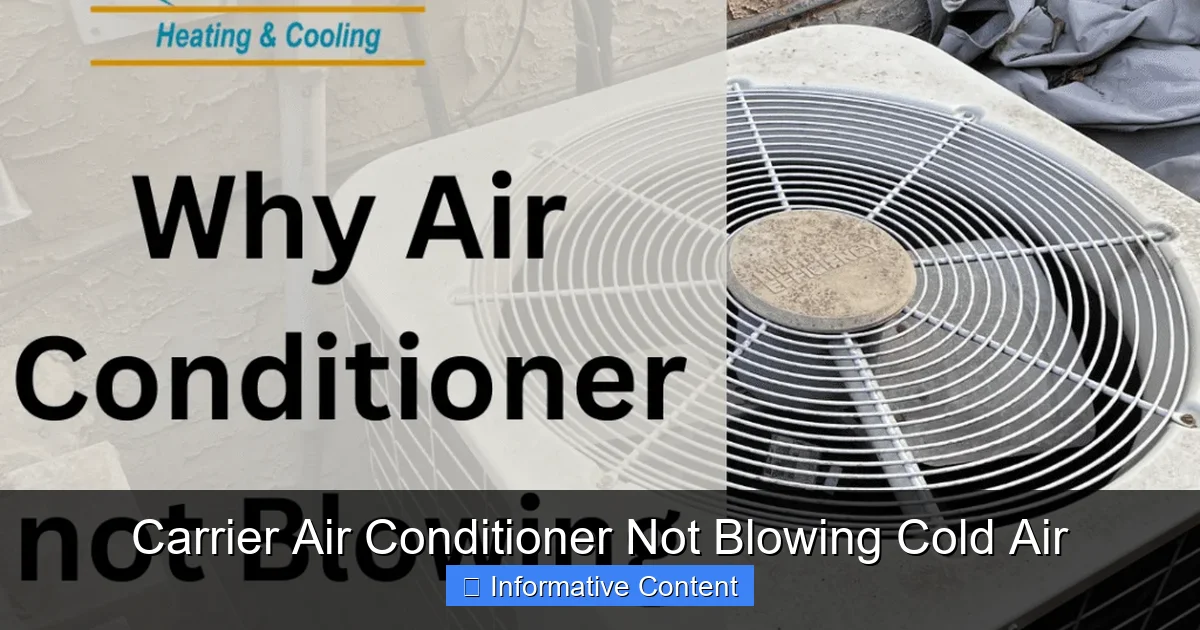
Visual guide about Carrier Air Conditioner Not Blowing Cold Air
Image source: vese.ca
When your Carrier air conditioner isn’t blowing cold air, the root cause usually falls into one of several categories: airflow problems, refrigerant issues, electrical faults, or thermostat errors. Let’s break down the most frequent culprits so you can pinpoint what’s happening in your system.
1. Dirty or Clogged Air Filters
This might sound too simple, but it’s the number one reason homeowners call for AC repairs. Over time, dust, pet dander, and debris build up in your air filter, restricting airflow. When air can’t pass through the evaporator coil efficiently, the coil can freeze up, and your system struggles to cool the air.
For example, if you haven’t changed your filter in three months—or sooner if you have pets or allergies—your AC is working harder than it should. A clogged filter forces the blower motor to strain, reduces cooling efficiency, and can even lead to system shutdowns.
2. Low Refrigerant Levels
Refrigerant is the lifeblood of your air conditioner. It absorbs heat from indoor air and releases it outside. If your system is low on refrigerant, it simply can’t remove enough heat to cool your home.
But here’s the catch: refrigerant doesn’t “run out” like gas in a car. If levels are low, there’s almost always a leak somewhere in the system—whether in the coils, connections, or lines. Adding refrigerant without fixing the leak is a temporary fix that could cost you more in the long run.
3. Frozen Evaporator Coils
If you notice ice or frost on the indoor evaporator coil (usually behind the front panel of your air handler), your AC isn’t cooling because airflow is blocked. This can happen due to a dirty filter, closed vents, or low refrigerant. When the coil freezes, it insulates the metal, preventing heat absorption—so even though the system runs, no cold air comes out.
4. Thermostat Issues
Sometimes the problem isn’t the AC at all—it’s the thermostat. If it’s set to “Fan” instead of “Cool,” or if the temperature setting is higher than the room temperature, your AC won’t engage the cooling cycle. Also, older or malfunctioning thermostats may not signal the system correctly.
5. Blocked or Dirty Condenser Unit
The outdoor condenser unit releases heat absorbed from your home. If it’s surrounded by leaves, grass, dirt, or even tall shrubs, airflow is restricted. This reduces the unit’s ability to dissipate heat, causing the system to overwork and underperform.
6. Electrical Problems
Capacitors, contactors, and wiring issues can prevent the compressor or fan from starting. For instance, a failed start capacitor might cause the compressor to hum but not turn on—resulting in no cooling at all.
Step-by-Step Troubleshooting Guide
Before calling a technician, try these simple checks. Many issues can be resolved with a little DIY effort—and they’re completely safe if you follow basic precautions.
Check and Replace the Air Filter
Turn off your AC at the thermostat. Locate your return air grille (usually on a wall or ceiling), remove the cover, and pull out the filter. Hold it up to the light—if you can’t see through it, it’s time for a new one.
Replace it with a filter of the same size and MERV rating (typically MERV 8–13 for home use). For best results, check your filter every month and replace it every 1–3 months, depending on usage.
Tip: Write the replacement date on the filter frame with a marker so you remember when it was changed.
Inspect the Thermostat
Make sure the thermostat is set to “Cool” and the temperature is set lower than the current room temperature. If you have a programmable or smart thermostat, check the schedule—sometimes it’s accidentally set to “Heat” or “Off.”
If your thermostat uses batteries, replace them. Weak batteries can cause erratic behavior or prevent the system from turning on.
For older mechanical thermostats, gently clean the inside with a soft brush or compressed air to remove dust that might interfere with the contacts.
Clear the Condenser Unit
Turn off power to the outdoor unit at the disconnect switch (usually a metal box near the condenser). Remove any debris like leaves, twigs, or grass clippings from around and inside the unit.
Use a garden hose to gently spray the fins from the inside out to remove dirt and grime. Never use a pressure washer—it can bend the delicate fins and reduce efficiency.
Ensure there’s at least 2 feet of clearance on all sides of the unit. Trim back any shrubs or plants that are crowding it.
Check for Ice on the Evaporator Coil
Turn off the AC and let any ice melt completely—this can take several hours. Once thawed, check the air filter and ensure all vents are open and unobstructed.
If ice returns quickly after restarting, there’s likely an underlying issue like low refrigerant or a blocked airflow path. Don’t keep running the system—this can damage the compressor.
Listen for Unusual Noises
When you turn on the AC, listen carefully. A healthy system should make a low hum. If you hear clicking, buzzing, or grinding, it could indicate an electrical problem or mechanical failure.
A loud bang or pop might mean a capacitor has failed. In any case, if the system isn’t cooling and you hear odd sounds, turn it off and call a professional.
When to Call a Professional HVAC Technician
While many issues can be fixed with basic troubleshooting, some problems require expert attention. Here’s when it’s time to pick up the phone.
Suspected Refrigerant Leak
If your AC is low on refrigerant, a certified technician must locate and repair the leak before recharging the system. Handling refrigerant requires special tools and EPA certification—it’s not a DIY job.
Signs of a leak include hissing sounds near the indoor coil, oily residue on refrigerant lines, or consistently poor cooling despite clean filters and clear coils.
Compressor or Motor Failure
The compressor is the heart of your AC system. If it fails, your unit won’t cool at all. Symptoms include the outdoor unit running but not cooling, or the compressor not turning on despite power.
Replacing a compressor is complex and expensive—often costing as much as a new unit. A technician can assess whether repair or replacement is the better option.
Electrical Component Failure
Capacitors, contactors, and relays control the flow of electricity to your system. If one fails, parts of the AC may not activate. For example, a bad capacitor might prevent the compressor from starting, even though the fan runs.
These components are relatively inexpensive but require electrical knowledge to replace safely. Always turn off power at the breaker before inspecting.
Ductwork Issues
Leaky or poorly insulated ducts can waste cooled air before it reaches your rooms. If some rooms are cool and others are warm, or if you hear whistling near vents, your ducts may need sealing or insulation.
A professional can perform a duct leakage test and recommend repairs.
System Age and Efficiency
If your Carrier AC is over 10–15 years old and frequently needs repairs, it may be time to consider replacement. Newer models are far more energy-efficient and come with better warranties.
A technician can help you evaluate your options and calculate potential energy savings.
Preventative Maintenance Tips for Carrier AC Units
The best way to avoid a Carrier air conditioner not blowing cold air is to keep it well-maintained. Regular care not only prevents breakdowns but also extends the life of your system and improves energy efficiency.
Schedule Annual Professional Tune-Ups
Have a licensed HVAC technician service your system once a year—preferably in spring, before the cooling season begins. During a tune-up, they’ll:
– Inspect and clean coils
– Check refrigerant levels
– Test electrical connections
– Lubricate moving parts
– Verify thermostat accuracy
– Inspect ductwork for leaks
This proactive approach catches small issues before they become big problems.
Change Filters Regularly
As mentioned earlier, clean filters are essential. Set a calendar reminder to check your filter every 30 days. If you have pets, smokers, or allergies, consider upgrading to a high-efficiency filter and changing it more often.
Keep Vents and Registers Clear
Don’t block supply or return vents with furniture, curtains, or rugs. Closed vents disrupt airflow and can cause pressure imbalances that strain your system.
Ensure at least 80% of your vents are open at all times.
Monitor Thermostat Settings
Avoid setting your thermostat too low—like 65°F on a 95°F day. This doesn’t cool your home faster; it just runs the system longer and increases wear.
Instead, set it to a comfortable temperature (72–76°F) and use fans to circulate air. Programmable thermostats can help maintain efficiency by adjusting temperatures when you’re away.
Protect the Outdoor Unit
In winter, cover the top of the condenser unit with a breathable cover to prevent snow and debris from entering—but don’t wrap it tightly, as moisture can get trapped.
In summer, keep the area around the unit clear and clean.
Listen and Watch for Warning Signs
Pay attention to changes in performance. If your AC takes longer to cool, makes new noises, or cycles on and off frequently, it’s time for a check-up.
Early intervention saves money and prevents emergency repairs.
Understanding Your Carrier AC System
To better troubleshoot and maintain your unit, it helps to understand how it works. Carrier air conditioners use a closed-loop refrigeration cycle to move heat from inside your home to the outside.
The Refrigeration Cycle Explained
Here’s a simplified breakdown:
1. **Evaporator Coil (Indoor):** Refrigerant enters as a cold, low-pressure liquid. Warm air from your home passes over the coil, and the refrigerant absorbs heat, turning into a gas.
2. **Compressor (Outdoor):** The gaseous refrigerant is compressed, raising its temperature and pressure.
3. **Condenser Coil (Outdoor):** Hot refrigerant releases heat to the outside air and condenses back into a liquid.
4. **Expansion Valve:** The high-pressure liquid passes through a valve, dropping its pressure and temperature before returning to the evaporator.
This cycle repeats continuously to keep your home cool.
Key Components and Their Roles
– **Air Handler:** Contains the blower fan and evaporator coil. It circulates air through your home.
– **Condenser Unit:** Houses the compressor, condenser coil, and fan. It releases heat outdoors.
– **Thermostat:** Controls when the system turns on and off based on temperature settings.
– **Refrigerant Lines:** Copper tubes that carry refrigerant between indoor and outdoor units.
– **Capacitors:** Store electrical energy to help start the compressor and fan motors.
Understanding these parts helps you communicate better with technicians and recognize when something’s wrong.
Cost of Repairs vs. Replacement
When your Carrier AC isn’t cooling, you may wonder: Should I repair or replace it? The answer depends on age, repair history, and cost.
When to Repair
– The system is less than 10 years old.
– Repairs cost less than 50% of a new unit.
– The unit has been well-maintained.
– Energy bills are reasonable.
For example, replacing a capacitor ($150–$300) or fixing a refrigerant leak ($200–$600) is usually worth it.
When to Replace
– The system is over 15 years old.
– Repairs are frequent and costly.
– Energy bills are rising.
– The unit uses R-22 refrigerant (phased out and expensive).
Modern Carrier units are 30–50% more efficient than older models. Upgrading could save you hundreds on energy bills each year.
A professional can perform a load calculation and recommend the right size and model for your home.
Conclusion
A Carrier air conditioner not blowing cold air is a common but solvable problem. In most cases, the fix is simple—like changing a filter or clearing debris from the condenser. But when issues involve refrigerant, electrical components, or major mechanical parts, it’s best to call a certified technician.
Regular maintenance is your best defense against cooling failures. By changing filters, keeping vents clear, and scheduling annual tune-ups, you’ll keep your Carrier AC running efficiently for years.
Don’t wait until the heatwave hits to check your system. Take action today, and enjoy cool, comfortable air all summer long.
Frequently Asked Questions
Why is my Carrier AC running but not cooling?
This is usually due to a dirty air filter, low refrigerant, or a frozen evaporator coil. Start by checking and replacing the filter, then inspect for ice buildup or airflow blockages.
Can I add refrigerant to my Carrier AC myself?
No. Handling refrigerant requires EPA certification and specialized tools. If your system is low, there’s likely a leak that needs professional repair before recharging.
How often should I change my air filter?
Check your filter every month and replace it every 1–3 months, depending on usage, pets, and allergies. A clean filter ensures proper airflow and cooling.
Why is there ice on my AC unit?
Ice forms when airflow is restricted or refrigerant is low. Turn off the system, let it thaw, and check the filter and vents. If ice returns, call a technician.
How much does it cost to repair a Carrier AC not blowing cold air?
Simple fixes like replacing a capacitor cost $150–$300. Refrigerant leaks or compressor issues can range from $200 to over $1,000. Regular maintenance helps avoid costly repairs.
Should I repair or replace my old Carrier AC?
If your unit is over 15 years old or repairs cost more than half a new system, replacement is usually better. New models are more efficient and come with better warranties.