
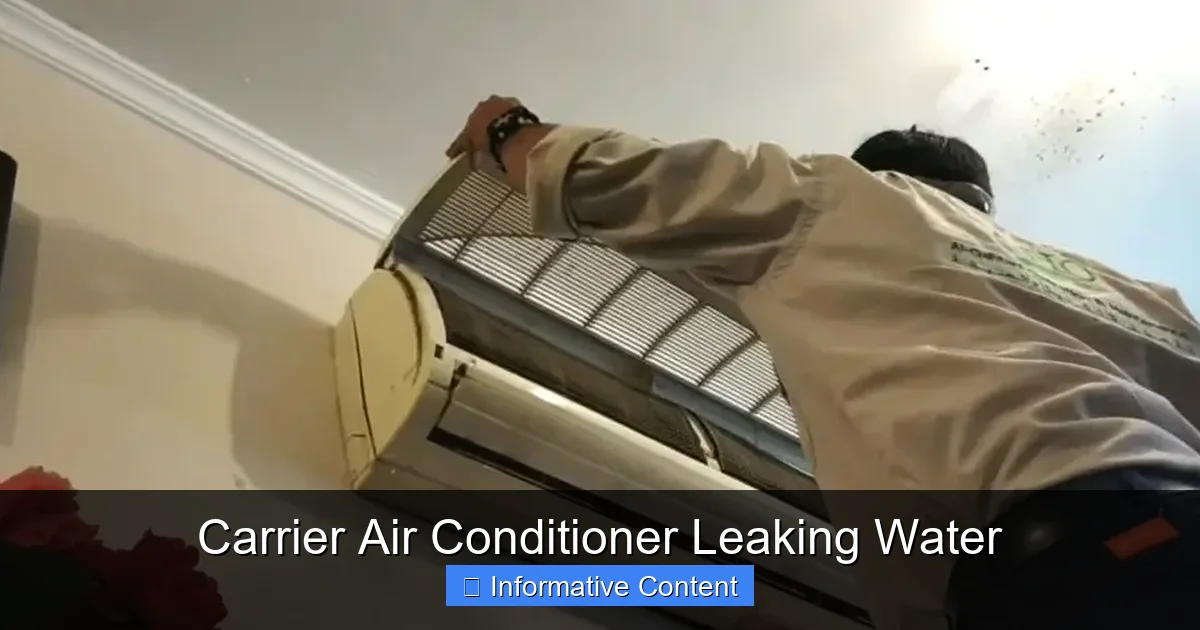
If your Carrier air conditioner is leaking water, it’s often due to a clogged drain line, frozen evaporator coil, or improper installation. This issue can lead to water damage, mold growth, and reduced cooling efficiency if not addressed quickly. With the right troubleshooting steps and preventive maintenance, you can resolve the leak and protect your home and system.
Key Takeaways
- Clogged condensate drain line: The most common cause of water leaks, often due to algae, dirt, or debris buildup.
- Frozen evaporator coil: Ice buildup from restricted airflow or low refrigerant can melt and overflow the drain pan.
- Dirty or blocked air filter: Restricts airflow, leading to coil freezing and subsequent water leakage.
- Improper installation or slope: If the unit isn’t level or the drain line isn’t pitched correctly, water won’t drain properly.
- Damaged or rusted drain pan: Over time, the pan can crack or corrode, allowing water to escape.
- High indoor humidity: Excess moisture in the air can overwhelm the drainage system during peak cooling.
- Regular maintenance prevents leaks: Annual servicing and monthly filter checks can stop most water leak issues before they start.
📑 Table of Contents
Why Is My Carrier Air Conditioner Leaking Water?
Discovering a puddle of water under your Carrier air conditioner can be alarming. You might wonder, “Is this normal?” or “Should I call a technician right away?” The short answer: while some condensation is expected, excessive water leakage is not normal and signals an underlying issue that needs attention.
Carrier air conditioners, like all HVAC systems, produce condensation as they cool your home. Warm, humid air passes over the cold evaporator coil, causing moisture to condense into water. This water is supposed to drip into a drain pan and exit through a condensate drain line. When everything works correctly, you’ll never see a drop. But when something goes wrong—like a clog, freeze-up, or mechanical failure—water can back up and leak into your home.
This isn’t just a nuisance. A Carrier air conditioner leaking water can lead to serious problems: water damage to floors and walls, mold growth, electrical hazards, and even reduced cooling performance. The good news? Most causes are preventable and fixable with basic troubleshooting and regular maintenance. In this guide, we’ll walk you through the most common reasons your Carrier AC is leaking water, how to diagnose the issue, and what you can do to fix it—whether you’re a DIY enthusiast or prefer to call in a pro.
Common Causes of Water Leaks in Carrier Air Conditioners
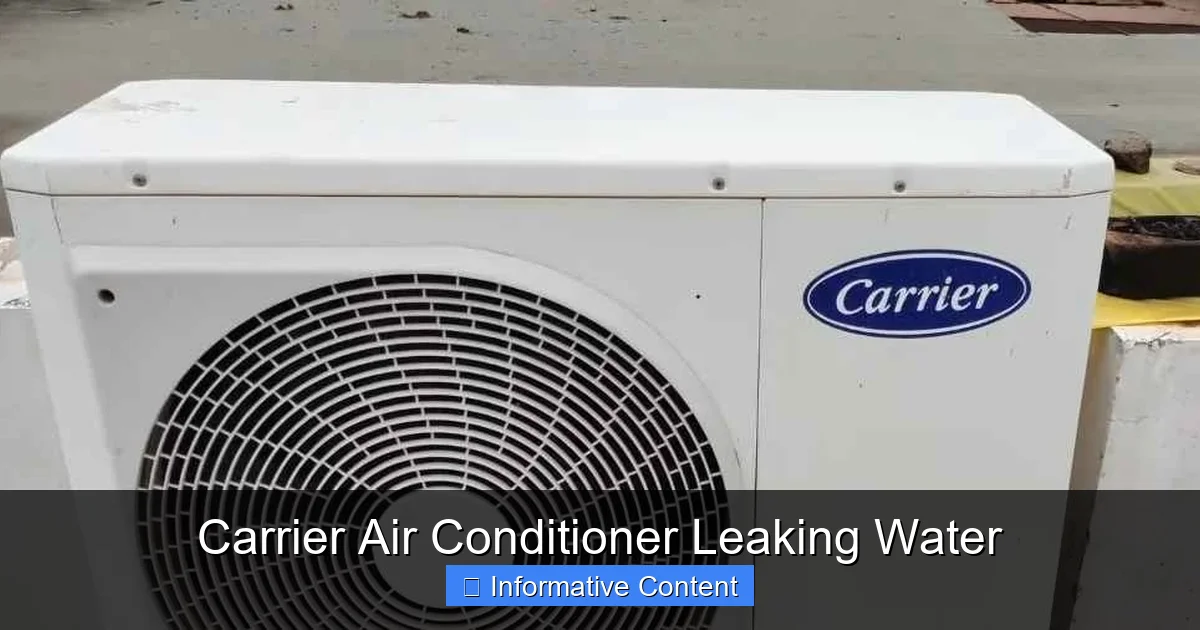
Understanding why your Carrier air conditioner is leaking water starts with knowing how the system manages moisture. During operation, the evaporator coil gets extremely cold—often below freezing. As warm air from your home blows over it, moisture in the air condenses into water droplets. This water collects in a shallow pan beneath the coil and flows through a PVC or flexible drain line to the outside of your home or into a floor drain.
Visual guide about Carrier Air Conditioner Leaking Water
Image source: smartacsolutions.com
When this process is disrupted, water can overflow, leak, or even back up into your indoor unit. Below are the most frequent culprits behind a Carrier air conditioner leaking water.
1. Clogged Condensate Drain Line
The condensate drain line is a small pipe, usually ¾-inch in diameter, that carries water away from your AC unit. Over time, this line can become clogged with algae, mold, dirt, or mineral deposits—especially in humid climates. When the line is blocked, water has nowhere to go and begins to back up into the drain pan. Once the pan overflows, water leaks into your home.
Signs of a clogged drain line:
- Water pooling around the indoor unit
- Musty smell near the AC
- Gurgling sounds from the drain line
- Water dripping from the air handler or furnace
How to fix it: Turn off the AC, locate the drain line (usually near the indoor air handler), and use a wet/dry vacuum to suction out the clog. You can also flush the line with a mixture of vinegar and water to dissolve algae. For persistent clogs, consider installing a condensate drain line cleaner or calling a technician.
2. Frozen Evaporator Coil
A frozen evaporator coil is another common reason your Carrier air conditioner is leaking water. When the coil freezes, it can’t absorb heat effectively. Eventually, the ice melts—especially when the AC cycles off—and the resulting water overwhelms the drain pan.
But why does the coil freeze in the first place? Usually, it’s due to restricted airflow or low refrigerant levels. A dirty air filter, closed vents, or blocked return ducts can reduce airflow, causing the coil to get too cold. Similarly, a refrigerant leak lowers pressure in the system, dropping the coil temperature below freezing.
Signs of a frozen coil:
- Ice buildup on the refrigerant lines or coil
- Reduced cooling output
- Hissing or bubbling sounds
- Water leaking after the ice melts
How to fix it: Turn off the AC and let the ice melt completely—this may take several hours. Replace the air filter, ensure all vents are open, and check for duct obstructions. If the problem persists, you may have a refrigerant leak, which requires a licensed HVAC technician to repair.
3. Dirty or Blocked Air Filter
It might seem simple, but a dirty air filter is one of the most overlooked causes of AC problems—including water leaks. When the filter is clogged with dust, pet hair, or debris, it restricts airflow over the evaporator coil. This leads to coil freezing, which eventually melts and causes overflow.
Most homeowners should check their air filter every 30 days and replace it every 1–3 months, depending on usage and filter type. In homes with pets or high dust levels, monthly replacement is often necessary.
Pro tip: Set a calendar reminder to check your filter. A clean filter not only prevents leaks but also improves indoor air quality and reduces energy bills.
4. Improper Installation or Drain Slope
If your Carrier air conditioner was recently installed or moved, improper setup could be the root of the leak. The indoor unit (air handler) must be level, and the condensate drain line must have a slight downward slope (about 1/4 inch per foot) to allow gravity to pull water out.
If the unit is tilted or the drain line is kinked, sagging, or installed upside down, water won’t drain properly. Instead, it pools in the pan and eventually overflows.
How to check: Use a level to ensure the air handler is even. Inspect the drain line for kinks or reverse slopes. If you suspect installation issues, contact the installer or a qualified HVAC technician to reassess the setup.
5. Damaged or Rusted Drain Pan
The drain pan sits beneath the evaporator coil and collects condensation. Over time, especially in humid environments, the pan can rust, crack, or degrade—particularly if it’s made of galvanized steel. Once the pan is compromised, water can seep through and leak onto the floor.
Plastic or composite drain pans are more resistant to corrosion, but even they can crack due to age or physical damage.
Signs of a damaged pan:
- Rust stains around the unit
- Water dripping from the bottom of the air handler
- Visible cracks or holes in the pan
How to fix it: If the pan is rusted or cracked, it needs to be replaced. This is a job for a professional, as it involves accessing the air handler and may require disassembling parts of the system.
6. High Indoor Humidity
During humid summer months, your Carrier air conditioner works harder to remove moisture from the air. If indoor humidity levels are excessively high—due to poor ventilation, cooking, showering, or a malfunctioning dehumidifier—the AC may produce more condensation than the drain system can handle.
This is especially common in basements, laundry rooms, or homes with crawl spaces. The drain line may be functioning correctly, but the volume of water exceeds its capacity.
How to manage humidity:
- Use exhaust fans in kitchens and bathrooms
- Run a dehumidifier in damp areas
- Ensure proper attic and crawl space ventilation
- Seal air leaks around windows and doors
How to Diagnose a Water Leak in Your Carrier AC
Before you start tearing apart your system, take a methodical approach to diagnosing the leak. This will save you time, money, and frustration.
Step 1: Turn Off the Air Conditioner
Safety first. Turn off the AC at the thermostat and the circuit breaker. This prevents further water damage and protects you from electrical hazards.
Step 2: Locate the Source of the Leak
Check where the water is coming from. Is it dripping from the indoor air handler? Pooling near the outdoor unit? Coming from the ceiling or walls? Most leaks originate from the indoor unit, but in rare cases, a cracked refrigerant line or overflowing outdoor drain can be the cause.
Step 3: Inspect the Drain Pan and Line
Remove the access panel on your air handler and look inside. Is the drain pan full? Is there standing water? Check the drain line for clogs or kinks. Shine a flashlight into the line—if you can’t see light through the other end, it’s likely blocked.
Step 4: Check the Air Filter
Pull out the air filter and inspect it. If it’s dark, dirty, or clogged, replace it immediately. A clean filter improves airflow and prevents coil freezing.
Step 5: Look for Ice or Frost
Examine the refrigerant lines and evaporator coil (if accessible). If you see ice or frost, the coil is frozen. Turn the AC off and let it thaw completely before restarting.
Step 6: Test the Drain Line
Pour a cup of water into the drain line using a funnel. If it drains slowly or not at all, the line is clogged. Use a wet/dry vacuum or a plumber’s snake to clear it.
DIY Fixes for a Leaking Carrier Air Conditioner
Many water leaks can be resolved with simple DIY steps. Here’s how to tackle the most common issues yourself.
Unclogging the Condensate Drain Line
You’ll need: a wet/dry vacuum, a funnel, distilled white vinegar, and a bucket.
- Turn off the AC.
- Locate the drain line exit (usually outside near the condenser unit).
- Attach the vacuum hose to the drain line and turn it on for 30–60 seconds to suction out debris.
- Remove the vacuum and pour 1 cup of vinegar into the line using a funnel. Let it sit for 30 minutes to kill algae and mold.
- Flush with water to rinse.
Repeat every 6 months as preventive maintenance.
Replacing the Air Filter
Turn off the AC, locate the filter slot (usually near the return air duct), slide out the old filter, and insert a new one. Make sure the arrow on the filter points toward the blower motor.
Leveling the Air Handler
If your unit is in an attic or closet, use a level to check if it’s even. Adjust the mounting brackets or shims to ensure it’s perfectly level. This ensures proper drainage.
Installing a Drain Line Float Switch
A float switch is a small device that cuts power to the AC if the drain pan fills with water. It’s a great preventive measure. Install it in the secondary drain port (if your unit has one) or in the drain pan itself.
When to Call a Professional
While many leaks are DIY-friendly, some issues require expert attention. Call a licensed HVAC technician if:
- The leak persists after cleaning the drain line and replacing the filter
- You suspect a refrigerant leak (hissing sounds, ice buildup, high energy bills)
- The drain pan is cracked or rusted and needs replacement
- The air handler is hard to access or requires disassembly
- You’re unsure about electrical or refrigerant handling
Professionals have the tools and expertise to safely repair complex issues and ensure your Carrier air conditioner runs efficiently and leak-free.
Preventing Future Water Leaks
The best way to deal with a leaking AC is to stop it before it starts. Follow these preventive tips:
- Schedule annual maintenance: A technician will clean the coil, check refrigerant levels, and inspect the drain system.
- Replace filters monthly: Keep airflow unrestricted.
- Clean the drain line twice a year: Use vinegar or a commercial cleaner.
- Install a UV light: Kills algae and mold in the drain pan and coil.
- Monitor humidity levels: Keep indoor humidity between 30% and 50%.
- Check for leaks after heavy rain or storms: Water intrusion can affect drainage.
Conclusion
A Carrier air conditioner leaking water is a common but solvable problem. Most leaks stem from simple issues like a clogged drain line, dirty filter, or frozen coil—all of which can be prevented with regular care. By understanding the causes and taking proactive steps, you can protect your home from water damage, maintain indoor air quality, and extend the life of your AC system.
Remember: if you’re ever in doubt, don’t hesitate to call a professional. Your Carrier air conditioner is a complex piece of equipment, and proper maintenance ensures it keeps you cool and comfortable for years to come. Stay proactive, stay dry, and enjoy the cool, clean air your system was designed to deliver.
Frequently Asked Questions
Why is my Carrier air conditioner leaking water from the bottom?
This is usually due to a clogged condensate drain line or a damaged drain pan. Water builds up in the pan and overflows, leaking from the bottom of the unit. Check the drain line for blockages and inspect the pan for cracks or rust.
Can a dirty air filter cause my AC to leak water?
Yes. A dirty filter restricts airflow, causing the evaporator coil to freeze. When the ice melts, it can overwhelm the drain pan and cause a leak. Replace your filter every 1–3 months to prevent this.
How often should I clean the condensate drain line?
Clean the drain line every 6 months as part of routine maintenance. In humid climates or if you notice musty odors, clean it more frequently using vinegar or a commercial cleaner.
Is it safe to pour bleach down the AC drain line?
No, bleach can damage rubber seals and components. Use distilled white vinegar instead—it’s effective at killing algae and mold without harming your system.
Can high humidity cause my Carrier AC to leak?
Yes. Excess indoor moisture increases condensation, which can overwhelm the drainage system. Use a dehumidifier and ensure proper ventilation to reduce humidity levels.
Should I turn off my AC if it’s leaking water?
Yes. Turn off the AC at the thermostat and circuit breaker to prevent further water damage and electrical risks. Address the leak promptly to avoid mold or structural damage.