
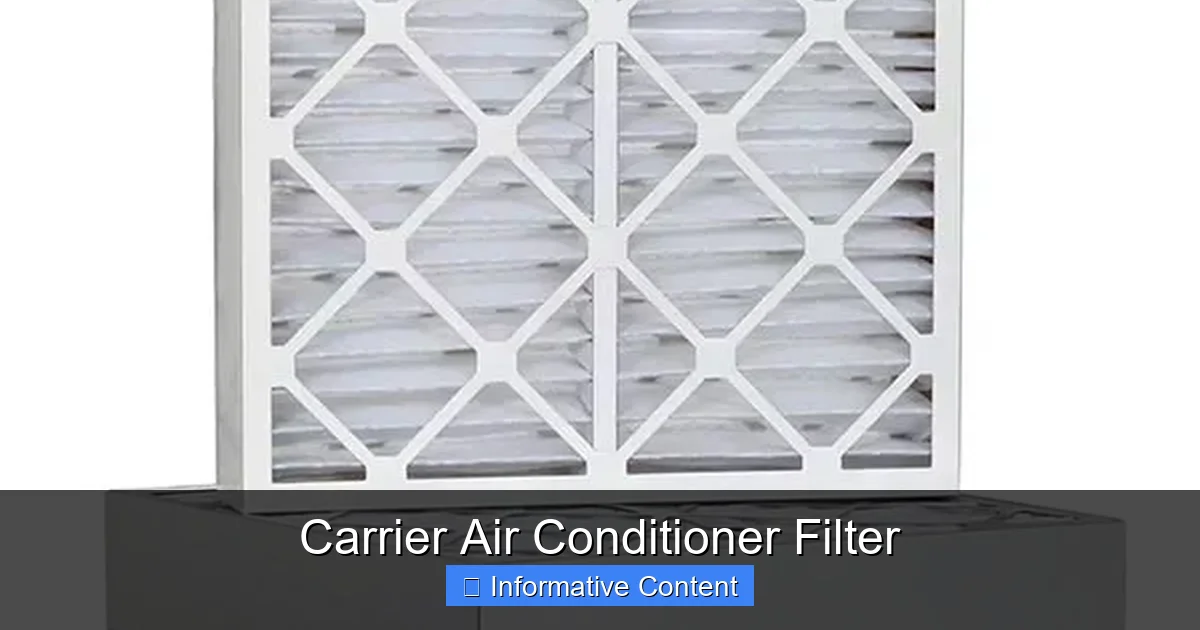
A Carrier air conditioner filter is a vital component that keeps your indoor air clean and your system running efficiently. Regular replacement and proper maintenance can improve air quality, reduce energy costs, and extend the life of your HVAC unit.
When it comes to keeping your home cool, comfortable, and energy-efficient during hot summer months, your air conditioning system plays a starring role. But behind the scenes, one small yet mighty component makes a big difference: the Carrier air conditioner filter. You might not think about it often—until your AC starts acting up or your energy bills spike—but this unassuming filter is essential for both performance and health.
Think of the filter as your AC’s first line of defense. Every time your system runs, it pulls in air from your home, cools it, and circulates it back. Along the way, dust, pollen, pet hair, mold spores, and other contaminants hitch a ride. Without a functioning filter, these particles would either recirculate into your living space or worse—get sucked into the internal components of your AC unit, causing damage over time. A clean Carrier air conditioner filter stops these pollutants at the gate, ensuring that the air you breathe is fresher and that your system operates smoothly.
But it’s not just about clean air. A well-maintained filter also protects your investment. Air conditioners are expensive pieces of equipment, and neglecting something as simple as a filter can lead to reduced efficiency, higher utility costs, and even system failure. Fortunately, maintaining your Carrier air conditioner filter is one of the easiest and most cost-effective ways to keep your HVAC system in top shape. In this guide, we’ll walk you through everything you need to know—from how filters work and why they matter, to how to choose, install, and maintain them for optimal performance.
Key Takeaways
- Improved Air Quality: A clean Carrier air conditioner filter traps dust, pollen, pet dander, and other airborne particles, ensuring healthier indoor air.
- Enhanced System Efficiency: Clogged filters restrict airflow, forcing your AC to work harder and increasing energy bills.
- Longer Equipment Lifespan: Regular filter changes reduce strain on the system, helping prevent costly repairs and premature breakdowns.
- Multiple Filter Types Available: Carrier offers standard fiberglass, pleated, high-efficiency, and washable filters to suit different needs and budgets.
- Easy Replacement Process: Most Carrier filters are simple to access and replace—usually requiring no tools and taking under five minutes.
- Recommended Change Frequency: Replace filters every 1–3 months, depending on usage, pets, allergies, and home environment.
- Compatibility Matters: Always check your model number to ensure you’re buying the correct size and type of filter for your Carrier unit.
📑 Table of Contents
- How the Carrier Air Conditioner Filter Works
- Types of Carrier Air Conditioner Filters
- How to Choose the Right Carrier Air Conditioner Filter
- How to Replace Your Carrier Air Conditioner Filter
- How Often Should You Replace Your Carrier Air Conditioner Filter?
- Benefits of Regular Filter Maintenance
- Common Mistakes to Avoid
- Conclusion
How the Carrier Air Conditioner Filter Works
At its core, the Carrier air conditioner filter is designed to capture airborne particles before they enter your HVAC system. As your AC unit draws air from your home through return vents, that air passes through the filter. The filter’s material—whether fiberglass, pleated fabric, or electrostatic mesh—acts like a net, trapping contaminants while allowing clean air to flow through.
This process does more than just clean the air. It also protects the internal components of your air conditioner, especially the evaporator coil and blower fan. When dirt and debris accumulate on these parts, they can’t transfer heat efficiently, which reduces cooling power and increases energy consumption. Over time, a dirty coil can even freeze up, leading to system shutdowns and expensive repairs.
Carrier designs its filters to balance filtration efficiency with airflow. If a filter is too dense, it might trap more particles but also restrict airflow, making your system work harder. That’s why choosing the right filter type and changing it regularly is so important. A properly functioning filter ensures that air moves freely while still capturing the majority of pollutants.
Airflow and System Performance
One of the most common signs of a clogged filter is reduced airflow from your vents. If you notice that your rooms aren’t cooling as quickly as they used to, or if certain areas feel stuffy, the filter could be the culprit. Restricted airflow forces the blower motor to run longer and harder, which not only increases wear and tear but also drives up your electricity bill.
For example, imagine your AC is like a person trying to breathe through a straw. It can still function, but it’s working much harder than necessary. A clean filter removes that “straw,” allowing unrestricted airflow and helping your system cool your home more efficiently.
Indoor Air Quality Benefits
Beyond system performance, the Carrier air conditioner filter plays a crucial role in maintaining healthy indoor air. According to the Environmental Protection Agency (EPA), indoor air can be two to five times more polluted than outdoor air—especially in tightly sealed, energy-efficient homes. Common indoor pollutants include:
- Dust and dust mites
- Pollen and mold spores
- Pet dander and fur
- Smoke particles (from cooking or smoking)
- Bacteria and viruses (in some high-efficiency filters)
A high-quality filter can capture many of these particles, reducing allergy symptoms, asthma triggers, and general respiratory discomfort. For households with children, elderly family members, or individuals with compromised immune systems, this can make a significant difference in daily comfort and long-term health.
Types of Carrier Air Conditioner Filters
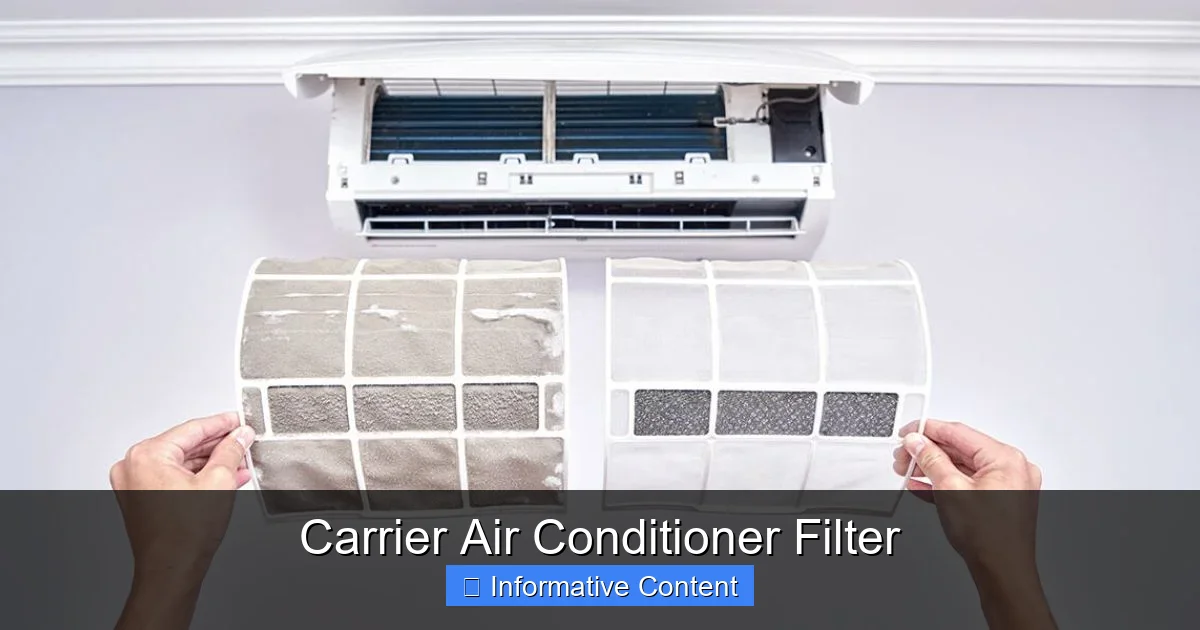
Visual guide about Carrier Air Conditioner Filter
Image source: quality-hc.com
Carrier offers a range of filter options to meet different needs, budgets, and air quality concerns. Understanding the differences can help you choose the best one for your home.
Fiberglass Filters
These are the most basic and affordable type of filter. Made from layered fiberglass fibers, they’re designed to capture large particles like dust and lint. While they’re inexpensive and widely available, fiberglass filters offer minimal filtration efficiency—typically rated at MERV 2 or 3 (on a scale of 1 to 16). They’re best suited for homes with minimal air quality concerns and light AC usage.
Pros:
- Low cost (usually under $5)
- Easy to find and replace
- Minimal airflow restriction
Cons:
- Poor filtration of small particles
- Need frequent replacement (every 30–60 days)
- Not ideal for allergy or asthma sufferers
Pleated Filters
Pleated filters are a step up in both performance and price. Made from polyester or cotton paper, they have a folded design that increases surface area, allowing them to capture more particles without restricting airflow. Most pleated filters range from MERV 6 to MERV 13, making them effective at trapping pollen, mold spores, pet dander, and even some bacteria.
These are the most popular choice for homeowners who want better air quality without breaking the bank. They typically cost between $10 and $20 and should be replaced every 60 to 90 days.
High-Efficiency Filters (HEPA and MERV 13+)
For those with severe allergies, asthma, or respiratory conditions, high-efficiency filters offer the best protection. While true HEPA filters are rarely used in standard residential HVAC systems due to airflow restrictions, some Carrier-compatible filters come close with MERV 13 or higher ratings.
These filters can capture particles as small as 0.3 microns, including smoke, smog, and even some viruses. However, they may require a compatible HVAC system or a booster fan to maintain proper airflow. Always check your system’s specifications before upgrading to a high-MERV filter.
Washable and Reusable Filters
Eco-conscious homeowners often prefer washable filters, which are made from durable electrostatic materials that can be cleaned and reused for years. These filters attract and trap particles using static electricity, and they can be rinsed with water every few weeks.
While they save money over time and reduce waste, washable filters require regular maintenance. If not cleaned properly, they can become less effective or even promote mold growth. They’re best for users who are diligent about upkeep.
Electrostatic Filters
Similar to washable filters, electrostatic filters use static charge to attract particles. Some are disposable, while others are reusable. They’re effective at capturing dust and allergens and are a good middle ground between basic and high-efficiency options.
How to Choose the Right Carrier Air Conditioner Filter
With so many options available, selecting the right filter can feel overwhelming. But by considering a few key factors, you can make an informed decision that balances performance, cost, and convenience.
Check Your System’s Compatibility
Not all filters fit all systems. Before buying, locate your Carrier air conditioner’s model number—usually found on a label inside the access panel or on the unit itself. Use this number to find the correct filter size and type recommended by Carrier. Common sizes include 16x20x1, 20x25x1, and 14x24x1, but always double-check.
Using the wrong size can lead to gaps around the filter, allowing unfiltered air to bypass the system. This defeats the purpose of having a filter and can damage your AC over time.
Consider Your Household Needs
Ask yourself:
- Do you have pets? → Choose a pleated or high-efficiency filter to capture pet dander.
- Are there allergy or asthma sufferers? → Opt for MERV 11 or higher.
- Do you live in a dusty area or near construction? → Replace filters more frequently or use a denser filter.
- Is energy efficiency a priority? → Avoid filters that are too restrictive unless your system can handle them.
For example, a family with two dogs and a child with allergies might benefit from a MERV 12 pleated filter changed every 60 days. Meanwhile, a single person in a low-pollution area might do fine with a basic fiberglass filter replaced every two months.
Balance Cost and Performance
While high-efficiency filters offer superior air cleaning, they’re also more expensive and may increase energy costs if they restrict airflow. A good rule of thumb is to choose the highest MERV rating your system can handle without causing issues. Most standard Carrier systems work well with MERV 8 to MERV 11 filters.
If you’re unsure, consult your HVAC technician or refer to your owner’s manual. Some newer Carrier models are designed to support higher-MERV filters, so upgrading could be a smart long-term investment.
How to Replace Your Carrier Air Conditioner Filter
Replacing your Carrier air conditioner filter is one of the simplest maintenance tasks you can do—and it takes less than five minutes. Here’s a step-by-step guide:
Step 1: Turn Off the System
For safety, turn off your air conditioner at the thermostat. This prevents the system from turning on while you’re working and reduces the risk of injury.
Step 2: Locate the Filter
Most Carrier systems have the filter located in one of three places:
- In the return air duct (a large vent on the wall or ceiling)
- Behind the front panel of the indoor unit (furnace or air handler)
- In a dedicated filter slot near the blower motor
Look for a removable cover or latch. Some models have a slide-out tray, while others require you to unscrew a panel.
Step 3: Remove the Old Filter
Carefully slide out the old filter. Note the direction of the airflow arrows printed on the frame—this will help you install the new one correctly.
Inspect the old filter. If it’s dark, clogged, or covered in debris, it’s definitely time for a replacement. Even if it looks clean, replace it according to the recommended schedule.
Step 4: Insert the New Filter
Take your new Carrier air conditioner filter and align it with the slot, making sure the airflow arrows point toward the blower motor (usually inward, toward the unit). Slide it in gently—don’t force it.
Ensure there are no gaps around the edges. If the filter is too small, use a filter frame or sealant to prevent bypass.
Step 5: Close the Panel and Turn On the System
Secure the access panel and turn your thermostat back on. Listen for normal operation—there should be no unusual noises or reduced airflow.
Pro Tips for Easy Maintenance
- Set a calendar reminder to check your filter every 30 days.
- Buy filters in bulk to save money and avoid last-minute runs to the store.
- Keep a spare filter near your HVAC unit for quick swaps.
- If you have pets, check the filter every two weeks during shedding season.
How Often Should You Replace Your Carrier Air Conditioner Filter?
The frequency of filter changes depends on several factors, including filter type, household conditions, and usage patterns. Here’s a general guideline:
- Standard homes (no pets, low allergies): Every 90 days
- Homes with pets or smokers: Every 60 days
- Homes with allergy sufferers or high pollution: Every 30–45 days
- During peak cooling season (summer): Check monthly
Keep in mind that a filter’s effectiveness decreases over time. Even if it doesn’t look dirty, its fibers can become clogged at a microscopic level, reducing airflow and filtration efficiency.
Signs It’s Time to Replace the Filter
Don’t wait for your system to fail—watch for these warning signs:
- Reduced airflow from vents
- Increased dust buildup on surfaces
- Higher-than-normal energy bills
- Unusual odors when the AC turns on
- Ice forming on the evaporator coil
If you notice any of these, check your filter immediately. A simple replacement could solve the problem.
Benefits of Regular Filter Maintenance
Maintaining your Carrier air conditioner filter isn’t just about convenience—it’s a smart investment in your home, health, and wallet.
Energy Savings
A clean filter allows your system to operate at peak efficiency. According to the U.S. Department of Energy, replacing a clogged filter can reduce your AC’s energy consumption by 5% to 15%. Over a summer, that could mean significant savings on your utility bill.
Extended Equipment Life
HVAC systems are built to last 15–20 years with proper care. Regular filter changes reduce strain on the blower motor, compressor, and other components, helping your system last longer and perform better.
Fewer Repairs and Breakdowns
Dirt and debris are among the top causes of AC malfunctions. By keeping your filter clean, you reduce the risk of frozen coils, motor burnout, and refrigerant leaks—common issues that lead to costly service calls.
Peace of Mind
Knowing your system is running efficiently and your air is clean gives you confidence in your home’s comfort and safety. It’s a small habit with big rewards.
Common Mistakes to Avoid
Even experienced homeowners can make mistakes when it comes to filter maintenance. Here are a few to watch out for:
Using the Wrong Size
A filter that’s too small leaves gaps where unfiltered air can enter. A filter that’s too large won’t fit properly and may get damaged. Always measure or check your model number.
Ignoring the Airflow Direction
Installing the filter backward reduces efficiency and can damage the system. Always follow the arrows.
Waiting Too Long to Replace
“If it’s not broken, don’t fix it” doesn’t apply here. A dirty filter may not cause immediate failure, but it slowly degrades performance and increases costs.
Choosing the Cheapest Option
While fiberglass filters are affordable, they offer minimal protection. Investing in a slightly better filter can improve air quality and system efficiency.
Forgetting to Turn Off the System
Always turn off the thermostat before replacing the filter to avoid electrical hazards or accidental startup.
Conclusion
The Carrier air conditioner filter may seem like a small, insignificant part of your HVAC system, but its impact is anything but minor. From improving indoor air quality and reducing energy costs to extending the life of your equipment, this simple component plays a vital role in your home’s comfort and efficiency.
By understanding how your filter works, choosing the right type, and replacing it on schedule, you can enjoy cleaner air, lower bills, and fewer headaches. It’s one of the easiest and most effective ways to care for your air conditioner—and your family’s well-being.
So the next time you walk past that return vent or hear your AC kick on, take a moment to think about the filter. It’s quietly doing its job, keeping your home cool, clean, and healthy. And with a little attention, it will keep doing so for years to come.
Frequently Asked Questions
How often should I replace my Carrier air conditioner filter?
Most experts recommend replacing your filter every 1–3 months. Homes with pets, allergies, or high usage may need changes every 30–60 days, while others can go up to 90 days.
Can I use a non-Carrier filter in my Carrier AC unit?
Yes, as long as the filter is the correct size and MERV rating. However, using genuine Carrier filters ensures compatibility and optimal performance.
What happens if I don’t replace my air conditioner filter?
A dirty filter restricts airflow, reduces cooling efficiency, increases energy bills, and can lead to system damage or breakdowns over time.
How do I find the right filter size for my Carrier unit?
Check the label on your indoor unit or return vent for the model number. Use this to find the recommended filter size, or measure the existing filter’s length, width, and thickness.
Are pleated filters better than fiberglass filters?
Yes, pleated filters capture more particles and improve air quality, making them ideal for most homes. Fiberglass filters are cheaper but offer minimal filtration.
Can I clean and reuse a disposable filter?
No, disposable filters are not designed to be cleaned. Attempting to wash them can damage the material and reduce effectiveness. Only washable filters should be reused.