
Understanding carrier air conditioner cost involves more than just the sticker price. From unit selection and installation fees to energy efficiency and maintenance, this guide breaks down every expense so you can make a confident, budget-friendly decision.
Key Takeaways
- Carrier air conditioner cost varies widely based on model, size, efficiency, and features, typically ranging from $3,500 to $7,500+ including installation.
- SEER2 ratings directly impact long-term savings—higher efficiency models cost more upfront but reduce energy bills over time.
- Installation complexity affects pricing; older homes or tight spaces may require ductwork modifications, increasing labor costs.
- Rebates and tax credits can lower your total cost by hundreds of dollars, especially for ENERGY STAR® certified units.
- Maintenance and warranty options matter—regular servicing extends lifespan and protects your investment.
- Financing plans are available through Carrier dealers, making high-end models more accessible with low monthly payments.
- Professional sizing is critical—an oversized or undersized unit wastes energy and increases wear and tear.
📑 Table of Contents
- Understanding Carrier Air Conditioner Cost: What You Need to Know
- Factors That Influence Carrier Air Conditioner Cost
- Breakdown of Carrier Air Conditioner Cost
- Long-Term Costs: Energy Bills and Maintenance
- Ways to Reduce Carrier Air Conditioner Cost
- Choosing the Right Carrier Air Conditioner for Your Home
- Conclusion: Is a Carrier Air Conditioner Worth the Cost?
Understanding Carrier Air Conditioner Cost: What You Need to Know
When it comes to staying cool during scorching summer months, a reliable air conditioner isn’t just a luxury—it’s a necessity. Among the top brands in the HVAC industry, Carrier stands out for its reputation, innovation, and long-standing history of quality. But before you commit to a Carrier air conditioner, it’s essential to understand the full scope of the carrier air conditioner cost. This isn’t just about the price tag on the unit; it’s about the total investment, including installation, energy use, maintenance, and potential savings over time.
Many homeowners are drawn to Carrier because of its trusted name and advanced technology. From ultra-quiet operation to smart home integration, Carrier offers a range of features that enhance comfort and convenience. However, these benefits come with a price. The carrier air conditioner cost can vary significantly depending on several factors, such as the type of system, its energy efficiency, and the complexity of installation. For example, a basic single-stage unit will cost less than a high-efficiency variable-speed model with a smart thermostat. Knowing what influences pricing helps you make an informed decision that fits both your comfort needs and your budget.
Factors That Influence Carrier Air Conditioner Cost
Visual guide about Carrier Air Conditioner Cost
Image source: pickhvac.com
Several key elements determine how much you’ll pay for a Carrier air conditioner. Understanding these factors empowers you to compare options and choose the best fit for your home. Let’s break them down one by one.
System Type and Configuration
Carrier offers a variety of air conditioning systems, including central air conditioners, ductless mini-splits, and heat pumps. Central air conditioners are the most common and typically the most affordable to install if your home already has ductwork. Ductless systems, while more expensive upfront, are ideal for homes without ducts or for room-specific cooling. Heat pumps, which provide both heating and cooling, often come at a higher price but offer year-round efficiency.
Each type has different cost implications. For instance, a central air conditioner might cost between $3,500 and $6,000 installed, while a ductless mini-split system can range from $4,000 to $8,000 depending on the number of zones. Heat pumps fall in a similar range but may qualify for additional rebates due to their energy-saving capabilities.
Unit Size and Capacity
The size of your air conditioner—measured in tons—directly affects the carrier air conditioner cost. A “ton” refers to the unit’s cooling capacity, with one ton equaling 12,000 BTUs per hour. Most homes require between 1.5 and 5 tons, depending on square footage, insulation, climate, and other factors.
Choosing the right size is crucial. An undersized unit will struggle to cool your home, leading to constant running and higher energy bills. An oversized unit will cycle on and off frequently, wasting energy and reducing comfort. A professional HVAC contractor will perform a Manual J load calculation to determine the ideal size for your home. While larger units cost more, they’re not always better—proper sizing ensures efficiency and longevity.
Energy Efficiency and SEER2 Ratings
Carrier air conditioners are rated using the Seasonal Energy Efficiency Ratio 2 (SEER2), a metric that measures cooling output divided by energy input over a typical cooling season. The higher the SEER2 rating, the more efficient the unit.
As of 2023, the minimum SEER2 rating for new air conditioners in most regions is 14. Carrier offers models ranging from 14 to 26 SEER2. A 14 SEER2 unit will cost less upfront but consume more electricity. In contrast, a 20+ SEER2 model may cost $1,000–$2,000 more but can reduce your cooling bills by up to 30%. Over 10–15 years, those savings can add up significantly, making high-efficiency models a smart long-term investment.
Advanced Features and Smart Technology
Modern Carrier air conditioners come with a host of advanced features that improve comfort, convenience, and efficiency. These include variable-speed compressors, two-stage cooling, Wi-Fi connectivity, and compatibility with smart thermostats like the Carrier Infinity® System.
Variable-speed compressors adjust cooling output to match demand, providing consistent temperatures and quieter operation. Two-stage units run on low most of the time, switching to high only when needed. Smart features allow you to control your system remotely, monitor energy use, and receive maintenance alerts. While these features enhance performance, they also increase the carrier air conditioner cost. However, many homeowners find the added comfort and control well worth the investment.
Breakdown of Carrier Air Conditioner Cost
Now that we’ve covered the influencing factors, let’s look at the actual numbers. The total carrier air conditioner cost includes the unit price, installation fees, and any additional components or upgrades.
Unit Price Range
Carrier air conditioners are available in several product lines, each with different price points:
– Base Series (e.g., Comfort™ Series): $1,800–$2,800 for the unit alone. These models offer reliable performance with standard efficiency (14–16 SEER2) and basic features.
– Mid-Tier Series (e.g., Performance™ Series): $2,500–$3,800. These units include two-stage cooling, better sound insulation, and higher efficiency (16–18 SEER2).
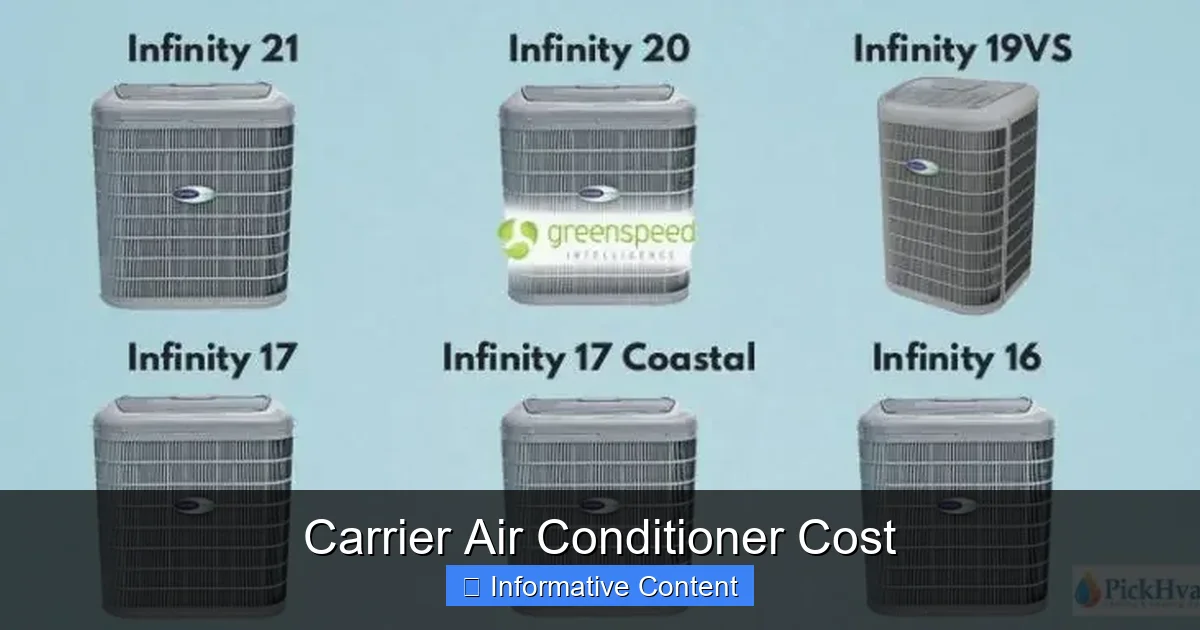
– Premium Series (e.g., Infinity® Series): $3,500–$5,500+. These top-tier models feature variable-speed technology, ultra-quiet operation, and smart controls, with SEER2 ratings up to 26.
Keep in mind that these are unit-only prices. Installation and other costs are separate.
Installation Costs
Installation is a major component of the carrier air conditioner cost. On average, professional installation ranges from $1,500 to $3,500, depending on complexity. Here’s what affects labor costs:
– Ductwork: If your ducts are in good condition and compatible, installation is simpler and cheaper. If ducts need repair, sealing, or replacement, costs rise.
– Electrical Upgrades: Older homes may need electrical panel upgrades to handle the new system, adding $500–$1,500.
– Location and Access: Units installed in tight spaces, on rooftops, or in hard-to-reach areas require more labor.
– Permits and Inspections: Most areas require permits for HVAC installations, which can cost $100–$300.
For a straightforward replacement in a home with existing ductwork, expect to pay around $2,000 for installation. For a full system upgrade with duct modifications, costs can exceed $4,000.
Additional Costs and Upgrades
Beyond the unit and installation, you may need to budget for extras:
– Thermostat: A smart thermostat like the Carrier Infinity Touch can cost $200–$500.
– Air Handler or Furnace: If replacing an older system, you might need a compatible air handler or furnace, adding $1,000–$3,000.
– Zoning Systems: Adding dampers and controls to cool different areas independently can cost $1,500–$3,000.
– Extended Warranties: Carrier offers extended service plans that cover parts and labor for 5–10 years, typically $300–$800.
These upgrades enhance comfort and efficiency but increase the total carrier air conditioner cost. Consider them carefully based on your needs and long-term plans.
Long-Term Costs: Energy Bills and Maintenance
While the upfront cost is important, don’t overlook ongoing expenses. Energy bills and maintenance play a big role in the total cost of ownership.
Energy Consumption and Savings
A high-efficiency Carrier air conditioner can significantly reduce your monthly energy bills. For example, upgrading from a 10 SEER2 unit to a 20 SEER2 model can cut cooling costs by nearly 50%. In a hot climate with long cooling seasons, this could save $200–$400 per year.
To estimate your savings, use this simple formula:
Annual Savings = (Old SEER2 – New SEER2) / Old SEER2 × Annual Cooling Cost
For instance, if your old unit is 12 SEER2 and your new Carrier unit is 18 SEER2, and you spend $600 annually on cooling:
(18 – 12) / 12 × $600 = 0.5 × $600 = $300 saved per year.
Over 15 years, that’s $4,500 in savings—more than enough to offset the higher initial cost of a premium model.
Maintenance and Repairs
Regular maintenance is essential to keep your Carrier air conditioner running efficiently. Annual tune-ups cost $100–$200 and include cleaning coils, checking refrigerant levels, inspecting electrical connections, and testing performance.
Neglecting maintenance can lead to higher energy bills, reduced cooling capacity, and premature breakdowns. Common repairs include capacitor replacement ($150–$300), refrigerant recharge ($200–$600), and compressor issues ($500–$1,500).
Investing in a maintenance plan or extended warranty can help manage these costs. Many Carrier dealers offer service agreements that include annual inspections and discounted repairs.
Lifespan and Replacement
With proper care, a Carrier air conditioner can last 15–20 years. However, efficiency declines over time, and older units may use outdated refrigerants like R-22, which is being phased out.
If your current system is over 10 years old, replacing it now could save money in the long run. Newer models are more efficient, quieter, and better for the environment. Plus, you’ll avoid the hassle and cost of emergency repairs during peak summer months.
Ways to Reduce Carrier Air Conditioner Cost
The carrier air conditioner cost doesn’t have to break the bank. With smart planning and available incentives, you can make this investment more affordable.
Rebates and Tax Credits
Federal, state, and utility companies often offer rebates and tax credits for energy-efficient HVAC systems. For example, the Inflation Reduction Act provides tax credits of up to $600 for qualified central air conditioners and $2,000 for heat pumps.
Check with your local utility provider—many offer instant rebates at the point of sale. For instance, a $500 rebate on a $5,000 system reduces your out-of-pocket cost to $4,500. These incentives can significantly lower the carrier air conditioner cost, especially for high-efficiency models.
Financing and Payment Plans
Carrier partners with financing companies to offer low-interest or deferred-interest plans. Options like 0% APR for 12–18 months or fixed monthly payments over 3–7 years make it easier to afford a premium system.
For example, a $6,000 system with 0% financing over 18 months requires just $333 per month—no interest if paid in full on time. This allows you to enjoy immediate comfort while spreading out the cost.
Seasonal Promotions and Dealer Discounts
HVAC dealers often run promotions during spring and fall—peak times for installations. Look for deals like free thermostats, discounted installation, or bundled services.
Some dealers also offer loyalty discounts for repeat customers or referrals. Don’t hesitate to ask about current offers when getting quotes.
DIY vs. Professional Installation
While it’s tempting to save money by installing the unit yourself, HVAC systems are complex and require specialized tools and knowledge. Improper installation can void warranties, reduce efficiency, and even pose safety risks.
Always hire a licensed, insured contractor with experience installing Carrier systems. They’ll ensure proper sizing, safe electrical connections, and optimal performance—protecting your investment and your home.
Choosing the Right Carrier Air Conditioner for Your Home
With so many options, selecting the right Carrier air conditioner can feel overwhelming. Here’s how to narrow down your choices.
Assess Your Cooling Needs
Start by evaluating your home’s size, layout, and insulation. Consider factors like sun exposure, number of windows, and occupancy patterns. A professional load calculation will give you the most accurate sizing recommendation.
If you have a large home with multiple levels, a zoned system with a variable-speed air conditioner may provide the best comfort. For smaller homes or additions, a ductless mini-split could be more cost-effective.
Compare Models and Features
Review Carrier’s product lineup and compare features, efficiency, and warranties. Use online tools like the Carrier Product Selector to filter models by your criteria.
Ask dealers for side-by-side comparisons, including estimated energy savings and total cost of ownership. Don’t just focus on the lowest price—consider long-term value.
Get Multiple Quotes
Always get at least three quotes from reputable HVAC contractors. Compare not just the total price, but also what’s included: unit model, installation scope, warranty, and any extras.
Be wary of unusually low quotes—they may cut corners on materials or labor. Choose a contractor with good reviews, proper licensing, and experience with Carrier systems.
Conclusion: Is a Carrier Air Conditioner Worth the Cost?
The carrier air conditioner cost is more than a number—it’s an investment in your home’s comfort, efficiency, and value. While Carrier systems may cost more upfront than some competitors, they offer superior reliability, advanced technology, and long-term savings.
By understanding the factors that influence pricing—such as system type, efficiency, installation complexity, and available incentives—you can make a smart decision that fits your budget and lifestyle. Whether you choose a base model for affordability or a premium unit for maximum comfort, a Carrier air conditioner delivers peace of mind and consistent performance.
Remember, the cheapest option isn’t always the best. Focus on total value, not just the sticker price. With proper maintenance and energy-efficient operation, your Carrier system can serve you well for decades, making the initial cost well worth it.
Frequently Asked Questions
How much does a Carrier air conditioner cost on average?
The average carrier air conditioner cost ranges from $3,500 to $7,500 including installation, depending on the model, size, and features. Higher-efficiency units and complex installations will be on the upper end of this range.
Are Carrier air conditioners more expensive than other brands?
Carrier air conditioners are typically priced at a premium compared to budget brands but are competitive with other top-tier manufacturers like Trane and Lennox. The higher cost reflects better build quality, advanced technology, and longer warranties.
Can I reduce the cost of a Carrier air conditioner with rebates?
Yes, many homeowners qualify for federal tax credits, state rebates, or utility company incentives. These can reduce the total cost by $500–$2,000, especially for ENERGY STAR® certified or high-efficiency models.
How long does it take to install a Carrier air conditioner?
Most installations take 1–2 days, depending on the system type and complexity. Ductwork modifications or electrical upgrades may add time. Your contractor will provide a detailed timeline before starting.
Do I need to replace my furnace when installing a Carrier air conditioner?
Not necessarily. If your existing furnace or air handler is compatible and in good condition, it can be paired with a new Carrier AC unit. However, replacing both at the same time can improve efficiency and simplify installation.
What maintenance is required for a Carrier air conditioner?
Annual professional maintenance is recommended, including coil cleaning, refrigerant checks, and system inspections. Homeowners should also change air filters every 1–3 months and keep the outdoor unit clear of debris.