
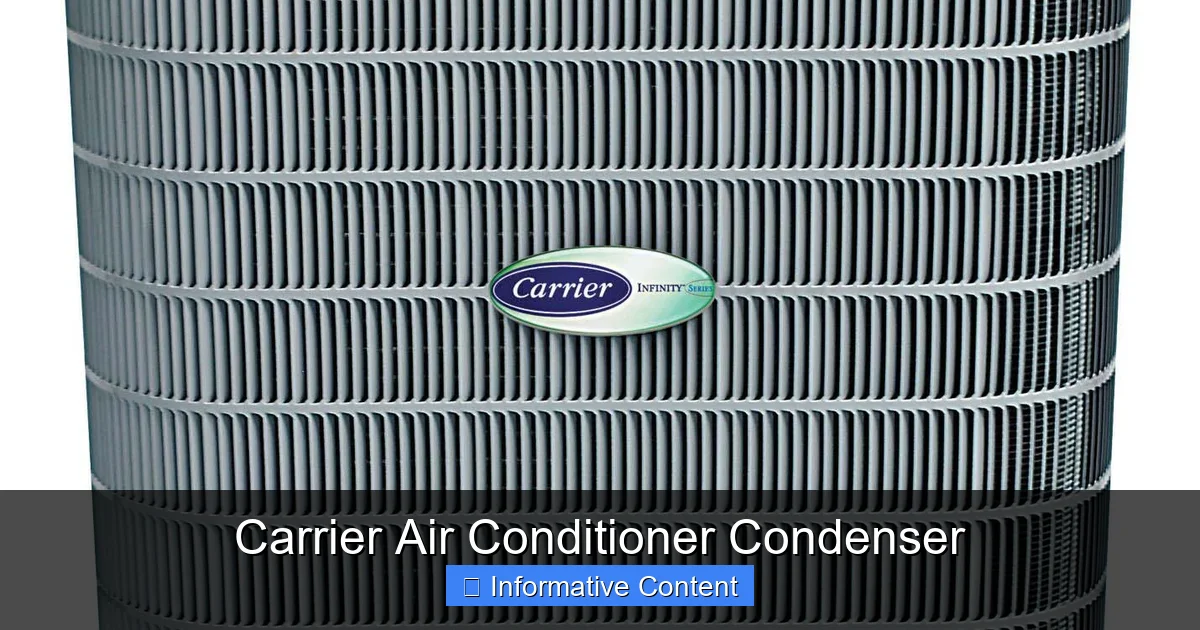
The Carrier air conditioner condenser is a vital component of your cooling system, responsible for releasing heat from your home to the outdoors. Understanding its function, maintenance needs, and when to replace it can help you keep your AC running efficiently and extend its lifespan.
Key Takeaways
- Core Function: The condenser removes heat from refrigerant, turning it from gas to liquid so cooling can continue.
- Outdoor Unit Location: It’s typically housed in the outdoor unit, working with the compressor and fan.
- Energy Efficiency Matters: Look for high SEER ratings—modern Carrier models offer up to 26 SEER for maximum efficiency.
- Regular Maintenance is Crucial: Clean coils, clear debris, and inspect annually to prevent breakdowns.
- Signs of Trouble: Warm air, strange noises, or high bills may indicate a failing condenser.
- Professional Installation Recommended: Proper sizing and setup ensure optimal performance and longevity.
- Warranty and Support: Carrier offers strong warranties and customer service for peace of mind.
📑 Table of Contents
- What Is a Carrier Air Conditioner Condenser?
- Key Components of the Carrier Air Conditioner Condenser
- How Efficient Is the Carrier Air Conditioner Condenser?
- Signs Your Carrier Air Conditioner Condenser Needs Attention
- Maintenance Tips to Keep Your Condenser Running Smoothly
- When to Replace Your Carrier Air Conditioner Condenser
- Why Choose Carrier for Your Air Conditioning Needs?
- Conclusion
What Is a Carrier Air Conditioner Condenser?
When you think about your air conditioning system, you might picture the indoor unit blowing cool air through vents. But behind that refreshing breeze is a complex process—and at the heart of it all is the Carrier air conditioner condenser. This critical component lives in the outdoor unit and plays a starring role in keeping your home comfortable during hot weather.
The condenser’s main job is to release heat absorbed from inside your home into the outside air. It works hand-in-hand with other parts like the compressor, evaporator coil, and refrigerant to complete the cooling cycle. Without a properly functioning condenser, your AC would struggle to cool your space—or worse, stop working altogether.
Carrier, a trusted name in HVAC since 1915, designs condensers with advanced engineering to deliver reliable performance, energy efficiency, and durability. Whether you’re upgrading an old system or installing a new one, understanding how the condenser works helps you make smarter decisions about maintenance, repairs, and replacements.
How the Condenser Fits Into the Cooling Cycle
To appreciate the role of the Carrier air conditioner condenser, it helps to understand the full refrigeration cycle. Here’s a simplified breakdown:
First, warm air from your home passes over the indoor evaporator coil. Refrigerant inside the coil absorbs this heat, turning from a cold liquid into a warm gas. This gas travels through copper tubing to the outdoor unit.
Once there, the compressor pressurizes the refrigerant, raising its temperature even further. The hot, high-pressure gas then flows into the condenser coil—the main part of the condenser assembly. As outdoor air is blown over the coil by a large fan, heat is released into the atmosphere. The refrigerant cools down and condenses back into a liquid.
This cooled liquid then travels back indoors, where it passes through an expansion valve and re-enters the evaporator coil to start the cycle again. It’s a continuous loop that keeps your home cool and comfortable.
The Carrier air conditioner condenser is specifically engineered to handle this heat transfer efficiently. Its coils are often made of durable materials like copper or aluminum, and some models feature enhanced fin designs to maximize surface area and airflow.
Key Components of the Carrier Air Conditioner Condenser
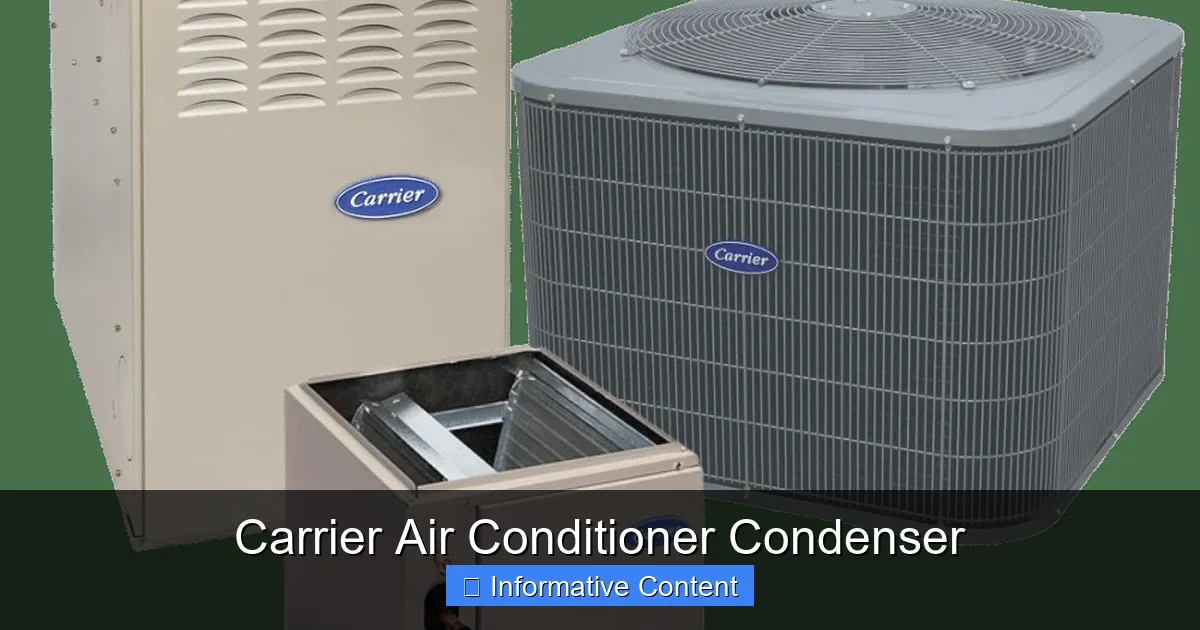
Visual guide about Carrier Air Conditioner Condenser
Image source: myhvacprice.com
While the term “condenser” often refers to the entire outdoor unit, it technically describes the coil and surrounding components responsible for condensing refrigerant. In Carrier systems, the condenser assembly includes several key parts that work together seamlessly.
The Condenser Coil
This is the star of the show. The condenser coil is a series of thin, U-shaped tubes (usually copper) surrounded by metal fins. As hot refrigerant flows through the tubes, the fins help dissipate heat into the air. Carrier uses advanced coil designs—like their WeatherShield™ coating—to resist corrosion from rain, salt, and debris, especially in coastal areas.
Over time, dirt, leaves, and pollen can build up on the coil, acting like insulation and reducing heat transfer. That’s why regular cleaning is so important. A dirty coil forces the system to work harder, increasing energy use and potentially causing overheating.
The Compressor
Though technically a separate component, the compressor is housed within the same outdoor unit as the condenser. It’s often called the “heart” of the AC system because it pumps refrigerant through the entire cycle. Carrier uses high-efficiency scroll and rotary compressors in many of their models, which are quieter and more reliable than older reciprocating types.
When the compressor fails, it can mimic condenser problems—so diagnosing issues correctly is essential. A professional technician can determine whether the problem lies with the compressor, condenser coil, or another part.
The Condenser Fan
This large fan sits above or beside the condenser coil and pulls outdoor air across it to facilitate heat exchange. Carrier designs their fans with aerodynamic blades to move more air with less noise and energy.
If the fan motor burns out or the blades become damaged, airflow drops—leading to poor cooling and potential system shutdowns. You might notice weak airflow from the outdoor unit or hear unusual grinding or clicking sounds.
Electrical Components
The condenser unit also contains capacitors, contactors, and control boards that manage power delivery and system operation. For example, the start capacitor gives the compressor and fan motors the extra boost they need to turn on. If this component fails, your AC may hum but not start.
Carrier includes protective features like surge protection and diagnostic LEDs on some models to help technicians quickly identify electrical issues.
How Efficient Is the Carrier Air Conditioner Condenser?
Energy efficiency isn’t just about saving money—it’s also about reducing your environmental footprint. Carrier has long been a leader in developing high-efficiency cooling systems, and their condensers reflect that commitment.
Understanding SEER Ratings
The efficiency of an air conditioner is measured by its Seasonal Energy Efficiency Ratio (SEER). This number represents how much cooling output (in BTUs) the system provides per watt of electricity used over a typical cooling season.
Older systems might have SEER ratings as low as 10, but modern Carrier condensers range from 14 to 26 SEER. The higher the number, the more efficient the unit. For example, a 20 SEER system uses about 30% less energy than a 14 SEER model.
In 2023, the U.S. Department of Energy raised the minimum SEER requirement to 14 in most regions (15 in the Southeast and Southwest), pushing manufacturers like Carrier to innovate further. Many of their top-tier models—like the Carrier Infinity® Series—boast SEER ratings above 20, making them ideal for homeowners looking to cut energy bills.
Variable Speed Technology
One of Carrier’s standout features is variable speed technology, available in many of their condenser units. Unlike traditional single-speed systems that run at full power or not at all, variable speed condensers adjust their output based on cooling demand.
This means the system ramps up gradually, runs longer at lower speeds, and maintains more consistent indoor temperatures. It also reduces wear and tear on components, improves humidity control, and operates more quietly.
For instance, the Carrier Infinity 20 with Greenspeed® Intelligence uses a variable-speed compressor and fan to deliver precise cooling while using up to 50% less energy than older models.
Environmental Impact
Carrier also focuses on sustainability. Their systems use eco-friendly refrigerants like R-410A (and newer low-GWP options in development) that don’t deplete the ozone layer. Plus, higher efficiency means lower carbon emissions from power plants.
By choosing a high-SEER Carrier air conditioner condenser, you’re not only saving on utility bills—you’re also contributing to a cleaner planet.
Signs Your Carrier Air Conditioner Condenser Needs Attention
Even the most reliable systems need maintenance and occasional repairs. Catching problems early can prevent costly breakdowns and extend the life of your unit. Here are common signs that your Carrier air conditioner condenser may need professional help.
Warm Air Blowing from Vents
If your AC is running but not cooling your home, the condenser could be the culprit. A clogged coil, low refrigerant, or faulty compressor can all prevent proper heat release. Check the outdoor unit: if it’s hot to the touch and the fan isn’t spinning, there’s likely an issue.
Unusual Noises
Listen for grinding, rattling, or screeching sounds coming from the outdoor unit. These could indicate a failing fan motor, loose components, or debris stuck in the fan blades. A humming noise without the compressor starting often points to a bad capacitor.
High Energy Bills
A sudden spike in your electricity bill without increased usage could mean your condenser is working inefficiently. Dirty coils, refrigerant leaks, or electrical issues force the system to consume more power to achieve the same cooling effect.
Ice or Frost on the Unit
While it might seem counterintuitive, ice can form on the outdoor condenser if airflow is restricted or refrigerant levels are low. This usually happens when the coil gets too cold due to poor heat exchange. Never ignore ice buildup—it can damage components and lead to system failure.
Frequent Cycling
If your AC turns on and off rapidly (short cycling), it may be struggling to maintain pressure or temperature. This puts extra stress on the condenser and compressor and reduces efficiency.
Visible Damage or Corrosion
Inspect the outdoor unit regularly. Look for bent fins, rust, or physical damage from storms or lawn equipment. Coastal homes should pay special attention to salt corrosion, which can eat away at coils and electrical connections.
If you notice any of these signs, it’s best to call a licensed HVAC technician. Attempting DIY repairs on electrical or refrigerant systems can be dangerous and may void your warranty.
Maintenance Tips to Keep Your Condenser Running Smoothly
Preventive maintenance is the best way to protect your investment and ensure your Carrier air conditioner condenser performs at its peak. With a few simple steps, you can avoid most common problems.
Clean the Condenser Coils Annually
At least once a year—preferably before summer—turn off power to the unit and gently clean the coils. Use a garden hose to rinse away dirt and debris. For stubborn grime, a coil cleaner spray (available at hardware stores) can help. Never use a pressure washer, as it can damage the delicate fins.
Clear Debris and Vegetation
Keep a 2-foot clearance around the outdoor unit. Trim back shrubs, remove leaves, and clear away grass clippings. Even small obstructions can reduce airflow and strain the system.
Check and Straighten Fins
Over time, the aluminum fins on the condenser coil can bend, blocking airflow. Use a fin comb (a inexpensive tool found online or at HVAC supply stores) to gently straighten them. Be careful not to puncture the tubes underneath.
Inspect the Fan Blade
Make sure the fan spins freely and isn’t cracked or unbalanced. A wobbly fan can damage the motor or cause vibrations that loosen other components.
Schedule Professional Tune-Ups
While homeowners can handle basic cleaning, a certified technician should perform a full inspection every 1–2 years. They’ll check refrigerant levels, test electrical connections, lubricate moving parts, and ensure the system is operating safely and efficiently.
Carrier recommends annual maintenance for optimal performance, especially in regions with long cooling seasons.
Protect the Unit in Winter
If you live in an area with harsh winters, consider using a breathable cover to protect the condenser from snow and ice—but only after the unit has been turned off for the season. Never cover the unit while it’s running or during mild weather, as moisture can get trapped and cause corrosion.
When to Replace Your Carrier Air Conditioner Condenser
Even with excellent care, condensers don’t last forever. Most Carrier units have a lifespan of 10–15 years, depending on usage, climate, and maintenance. Here’s how to know when it’s time for a replacement.
Age of the System
If your condenser is over 10 years old and requires frequent repairs, upgrading to a newer, more efficient model may save you money in the long run. Newer systems use less energy, offer better comfort, and come with improved warranties.
Cost of Repairs
A common rule of thumb: if a repair costs more than 50% of the value of a new unit, replacement is usually the smarter choice. For example, replacing a compressor can cost $1,000 or more—often not worth it on an aging system.
Refrigerant Type
Older Carrier models may use R-22 refrigerant, which is being phased out due to environmental concerns. Recharging an R-22 system is expensive and increasingly difficult. Upgrading to a new system that uses R-410A or newer alternatives avoids this issue.
Improved Technology
Newer condensers offer features like variable speed, smart thermostats, and Wi-Fi connectivity. If your current system lacks these, upgrading can enhance comfort and control.
Matching Indoor and Outdoor Units
For optimal performance, the condenser should be properly matched with the indoor evaporator coil. If one component fails and the other is old, replacing both ensures compatibility and efficiency. Carrier recommends matched systems for best results.
When replacing your condenser, consult a Carrier-certified dealer. They can perform a load calculation to determine the right size for your home—oversized or undersized units lead to inefficiency and discomfort.
Why Choose Carrier for Your Air Conditioning Needs?
With so many HVAC brands on the market, why do millions of homeowners trust Carrier? It comes down to a combination of innovation, reliability, and customer support.
Proven Track Record
Founded by Willis Carrier—the inventor of modern air conditioning—the company has over a century of experience. They’ve pioneered technologies like the first residential AC unit, the scroll compressor, and smart home integration.
Quality and Durability
Carrier builds their condensers to withstand harsh conditions. From extreme heat to freezing temperatures, their units are tested rigorously to ensure long-term performance.
Strong Warranties
Most Carrier condensers come with a 10-year limited warranty on parts, and some models include extended coverage for compressors. Registered products may qualify for additional protection.
Dealer Network and Support
Carrier has a nationwide network of certified dealers and service technicians. This means you can get expert installation, maintenance, and repairs wherever you live.
Smart Home Integration
Many Carrier condensers work with the Carrier Côr™ or Infinity® thermostats, allowing you to control your system remotely via smartphone. Features like geofencing, energy reports, and maintenance alerts make managing your HVAC easier than ever.
Whether you’re building a new home or upgrading an existing system, Carrier offers a range of options to fit your budget and needs—from the affordable Comfort™ Series to the premium Infinity® line.
Conclusion
The Carrier air conditioner condenser is more than just a metal box in your backyard—it’s the powerhouse behind your home’s comfort. By efficiently releasing heat and enabling the refrigeration cycle, it ensures cool, refreshing air flows through your vents all summer long.
Understanding how it works, recognizing warning signs, and performing regular maintenance can help you get the most out of your system. And when the time comes for a replacement, choosing a high-efficiency Carrier model means better performance, lower energy bills, and peace of mind.
Investing in quality HVAC equipment isn’t just about staying cool—it’s about creating a healthier, more comfortable living environment. With Carrier’s legacy of innovation and reliability, you can trust your condenser to keep you comfortable for years to come.
Frequently Asked Questions
What does the condenser do in an air conditioner?
The condenser releases heat absorbed from inside your home into the outdoor air. It transforms hot refrigerant gas into a liquid so the cooling cycle can continue.
How often should I clean my Carrier condenser?
Clean the condenser coils at least once a year, preferably before the cooling season begins. Remove debris and rinse gently with a hose.
Can I replace just the condenser without the indoor unit?
It’s possible, but not recommended. For optimal efficiency and performance, the condenser and indoor coil should be matched and replaced together.
What SEER rating should I look for in a new Carrier condenser?
Aim for at least 16 SEER, but consider 20+ SEER models for maximum energy savings, especially in hot climates.
Why is my Carrier condenser making noise?
Noises like grinding or rattling may indicate a failing fan motor, loose parts, or debris. Have a technician inspect it promptly.
How long does a Carrier air conditioner condenser last?
With proper maintenance, most Carrier condensers last 10–15 years. Lifespan depends on usage, climate, and care.