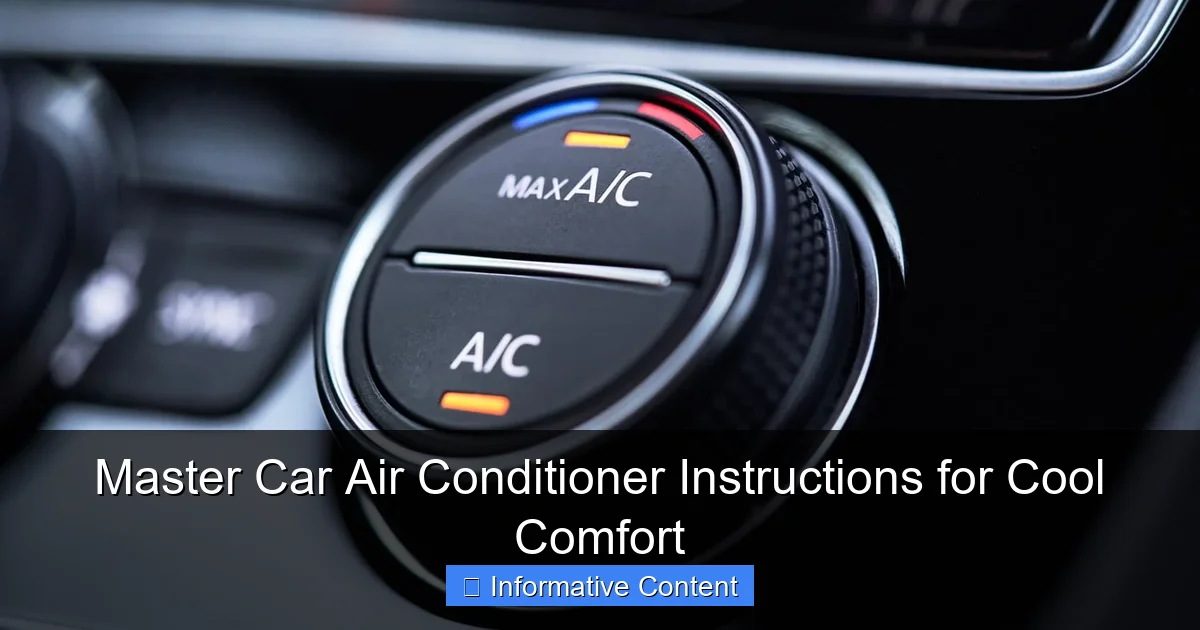
Featured image for car air conditioner instructions
Image source: hvacseer.com
Unlock optimal cool comfort by mastering your car air conditioner with simple, expert-backed instructions that boost efficiency and performance. Learn key steps like adjusting airflow, setting the right temperature, and maintaining filters to keep your system running smoothly in any heat. Stay cool, save fuel, and extend your AC’s lifespan—all with a few smart habits.
Key Takeaways
- Turn on the AC early: Start cooling before driving to lower cabin temperature faster.
- Use recirculation mode: Recirculate cool air inside instead of pulling in hot outside air.
- Set fan speed high initially: Maximize airflow to cool the car quickly, then reduce as needed.
- Replace cabin air filter regularly: Ensures efficient airflow and prevents odors or weak cooling.
- Park in shade when possible: Reduces interior heat buildup and eases AC workload.
- Run AC periodically in winter: Prevents seal drying and maintains system functionality year-round.
📑 Table of Contents
- Master Car Air Conditioner Instructions for Cool Comfort
- How Your Car’s Air Conditioner Actually Works
- Step-by-Step Car Air Conditioner Instructions for Maximum Cooling
- Common Mistakes to Avoid When Using Your Car AC
- Maintenance Tips to Keep Your AC Running Smoothly
- Advanced Tips for Energy-Efficient Cooling
- When to Call a Professional: Signs Your AC Needs Repair
- Conclusion: Stay Cool, Drive Smart
Master Car Air Conditioner Instructions for Cool Comfort
There’s nothing quite like the first hot day of summer rolling around. You hop into your car, buckle up, and hit the AC button—only to be greeted by a puff of warm, stale air. Sound familiar? I’ve been there. One sweltering afternoon last July, I was stuck in traffic with the windows down, fanning myself with a fast-food napkin, wondering why my car’s air conditioner was more of a suggestion than a solution. That moment sparked my mission to truly understand how car air conditioners work—and how to use them effectively.
Let’s face it: your car’s AC isn’t just a luxury—it’s a necessity. Whether you’re commuting to work, taking a road trip, or picking up the kids from school, a properly functioning air conditioner can mean the difference between comfort and misery. But here’s the thing: most drivers don’t know how to use their car’s AC system to its full potential. They either blast it on max and wonder why it takes forever to cool down, or they ignore it until it stops working altogether. The truth is, mastering your car air conditioner instructions isn’t about complicated mechanics—it’s about understanding a few simple principles and making small adjustments that make a big difference.
In this guide, I’ll walk you through everything you need to know to keep your car cool, comfortable, and energy-efficient. From understanding how your AC system works to troubleshooting common issues, we’ll cover it all—no technical jargon, no fluff. Just practical, easy-to-follow advice that you can start using today. Whether you’re a new driver or a seasoned road warrior, these car air conditioner instructions will help you beat the heat with confidence.
How Your Car’s Air Conditioner Actually Works
Before we dive into the how-tos, let’s take a quick look under the hood—figuratively speaking. Understanding how your car’s air conditioner works will help you use it more effectively and spot problems early. Think of your car’s AC as a heat-moving machine. It doesn’t “create” cold air; instead, it removes heat from inside the cabin and releases it outside. This process relies on a closed-loop system of refrigerant, a compressor, a condenser, an expansion valve, and an evaporator.
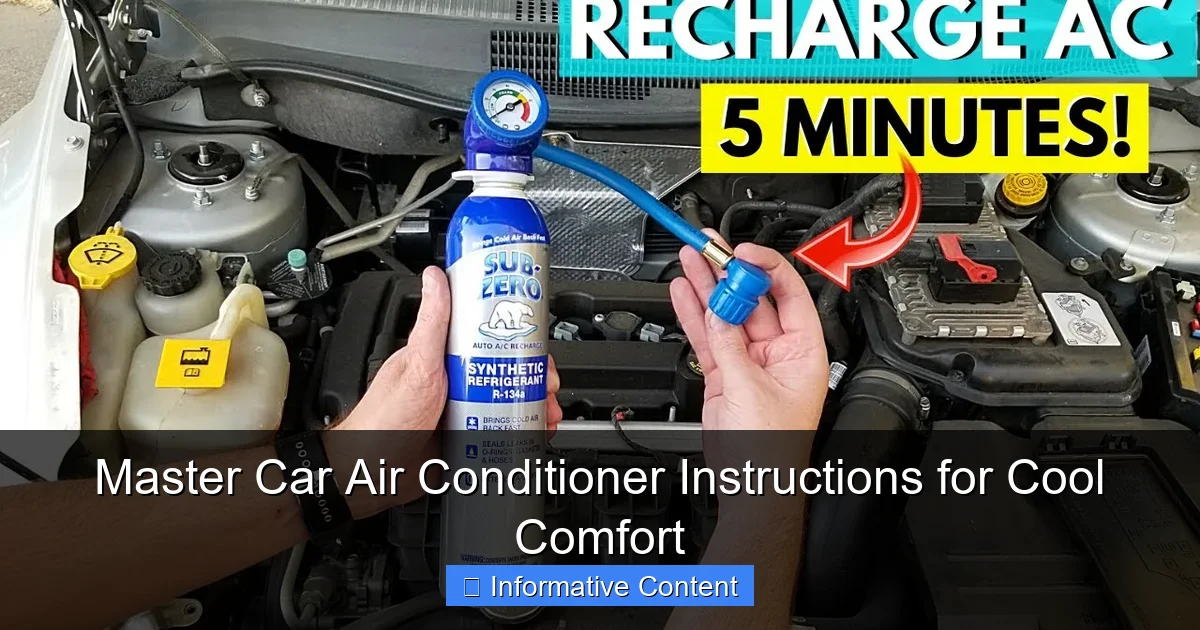
Visual guide about car air conditioner instructions
Image source: i.ytimg.com
The Role of Refrigerant
At the heart of your AC system is the refrigerant—a special chemical that changes from liquid to gas and back again as it absorbs and releases heat. When the refrigerant is in gas form and under high pressure, it flows to the condenser (usually located in front of the radiator), where it releases heat and turns back into a liquid. From there, it moves to the expansion valve, which controls the flow into the evaporator inside your dashboard. As the refrigerant expands and cools, it absorbs heat from the air blowing over the evaporator coils. That cooled air is then blown into your cabin through the vents.
The Compressor: The Heart of the System
The compressor is often called the “heart” of the AC system because it keeps the refrigerant circulating. It’s powered by a belt connected to the engine, so when you turn on the AC, you’re actually using a small amount of engine power. That’s why your car might feel slightly sluggish when the AC is on—especially in older models or during hot weather. Modern cars are more efficient, but it’s still good to be aware of this trade-off.
Why Understanding This Matters
Knowing how your AC works helps you make smarter decisions. For example, if your AC isn’t cooling well, it could be due to low refrigerant, a clogged condenser, or a failing compressor. Instead of just cranking the fan and hoping for the best, you can troubleshoot more effectively. Plus, understanding the system helps you avoid common mistakes—like turning on the AC immediately after starting the car on a hot day, which can strain the compressor.
Step-by-Step Car Air Conditioner Instructions for Maximum Cooling
Now that you know the basics, let’s get practical. These step-by-step car air conditioner instructions will help you cool down your car quickly and efficiently—without wasting fuel or overworking the system.
Step 1: Start with the Windows Down
When you first get into a hot car, resist the urge to blast the AC right away. Instead, roll down all the windows and drive for a minute or two with the AC off. This lets the hot, stagnant air escape and replaces it with cooler outside air. Think of it like opening windows in a stuffy room—it’s the fastest way to reduce the initial heat buildup.
Step 2: Turn on the AC with Recirculation Mode
After a minute or two, roll up the windows and turn on the AC. But here’s the key: switch to recirculation mode (usually indicated by a button with a car icon and curved arrow). This setting tells the system to reuse the air already inside the cabin instead of pulling in hot outside air. Since the air inside is already cooler than the outside air, the AC doesn’t have to work as hard. This can reduce cooling time by up to 30%.
Step 3: Set the Temperature and Fan Speed Wisely
Don’t crank the AC to the coldest setting right away. Start with a moderate temperature (around 72–74°F or 22–23°C) and let the system gradually cool the cabin. Once it’s comfortable, you can fine-tune the temperature. As for the fan speed, start high to circulate air quickly, then lower it once the cabin is cool. Running the fan on high constantly uses more energy and can create unnecessary noise.
Step 4: Use the Right Vent Settings
Direct the airflow where you need it most. For quick cooling, aim the vents toward your face and chest—this helps lower your body temperature faster. Avoid pointing vents directly at your feet unless you’re trying to defrost the windshield. Also, make sure vents aren’t blocked by papers, bags, or passengers. Even a small obstruction can reduce airflow by 20% or more.
Step 5: Turn Off Recirculation After Cooling
Once the cabin is cool, switch back to fresh air mode (the button with a car and arrow pointing outward). This brings in outside air, which helps reduce humidity and prevents the air from feeling stale. It also reduces the load on the AC system, improving fuel efficiency.
Common Mistakes to Avoid When Using Your Car AC
Even experienced drivers make mistakes when using their car’s air conditioner. These errors not only reduce comfort but can also shorten the life of your AC system and increase fuel consumption. Let’s look at the most common ones—and how to avoid them.
Cranking the AC to Max Immediately
We’ve all done it: jump in the car, slam the AC on “MAX,” and wait for instant relief. But this doesn’t actually cool the car faster—and it can strain the compressor. The AC system cools air gradually, no matter how high you set the fan. Starting with a moderate setting and letting the system work is more efficient and gentler on the components.
Leaving the AC Off for Long Periods
Some drivers turn off the AC completely during cooler months to save fuel. While this saves a little gas, it can lead to problems. The AC system needs to run occasionally to keep seals lubricated and prevent refrigerant leaks. Experts recommend running the AC for at least 10 minutes once a week, even in winter. This keeps the system healthy and ready when you need it.
Ignoring the Cabin Air Filter
The cabin air filter cleans the air entering your car, trapping dust, pollen, and debris. A clogged filter restricts airflow, making the AC work harder and reducing cooling efficiency. Most filters should be replaced every 12,000 to 15,000 miles or once a year. Check your owner’s manual for the location—it’s usually behind the glove box—and replace it if it looks dirty.
Using the AC While Idling for Long Periods
Running the AC while parked with the engine idling might feel nice, but it’s not great for your car or the environment. Idling uses fuel without moving the car, and the AC increases engine load. If you must idle, limit it to 10 minutes or less. Better yet, park in the shade or use a sunshade to keep the interior cooler in the first place.
Not Checking for Leaks or Strange Noises
If your AC starts making unusual noises—like clicking, hissing, or grinding—or if it’s not cooling as well as it used to, don’t ignore it. These could be signs of a refrigerant leak, a failing compressor, or a clogged condenser. Catching problems early can save you hundreds in repairs. If you notice a sweet smell or oily residue under the car, it could indicate a refrigerant leak—get it checked immediately.
Maintenance Tips to Keep Your AC Running Smoothly
Just like your car’s engine, your air conditioner needs regular maintenance to perform at its best. A little care goes a long way in preventing breakdowns and keeping your rides cool and comfortable.
Schedule Regular Inspections
Most mechanics recommend having your AC system inspected once a year, ideally before summer hits. During this check, they’ll test refrigerant levels, inspect hoses and seals, and ensure the compressor is functioning properly. This proactive approach can catch small issues before they become big, expensive problems.
Clean the Condenser
The condenser, located in front of the radiator, can get clogged with bugs, dirt, and debris. This reduces its ability to release heat, making the AC less efficient. Use a garden hose to gently spray the condenser from the front (facing the grille) to remove buildup. Avoid high-pressure washers, which can damage the fins.
Check Refrigerant Levels
Low refrigerant is one of the most common causes of poor cooling. If your AC is blowing warm air or takes a long time to cool, it might be low on refrigerant. However, don’t try to recharge it yourself unless you’re trained. Overfilling can damage the system, and refrigerant must be handled properly due to environmental regulations. Always have a professional check and recharge if needed.
Use the AC Regularly
As mentioned earlier, running the AC periodically keeps the system lubricated and prevents seals from drying out. Even in winter, turn it on for a few minutes every week. You can also use the defrost setting, which automatically activates the AC to remove moisture from the windshield.
Park in the Shade
One of the simplest ways to reduce AC workload is to park in the shade whenever possible. A car parked in direct sunlight can reach interior temperatures of 140°F (60°C) or higher. Using a sunshade on the windshield can reduce cabin temperature by up to 40°F (22°C), making it easier for the AC to cool the car quickly.
Advanced Tips for Energy-Efficient Cooling
If you’re looking to get the most out of your car’s AC while saving fuel and reducing wear, these advanced tips will help you optimize performance.
Use the Auto Setting Wisely
Many modern cars come with an “Auto” AC mode that automatically adjusts temperature, fan speed, and airflow. While convenient, it’s not always the most efficient. In hot weather, the system may run the compressor constantly to maintain the set temperature. Instead, try setting the temperature manually and using recirculation mode for faster cooling, then switch to fresh air once comfortable.
Pre-Cool Your Car
If your car has remote start or a smartphone app, use it to turn on the AC before you get in. Even just 5–10 minutes of pre-cooling can make a huge difference. The cabin will be much more comfortable, and you won’t have to blast the AC at full power the moment you start driving.
Upgrade to a High-Efficiency Cabin Filter
Some aftermarket cabin air filters are designed to improve airflow and filtration. Look for filters with activated carbon, which can also reduce odors and pollutants. While they cost a bit more, they can enhance comfort and air quality—especially if you drive in heavy traffic or polluted areas.
Monitor Fuel Efficiency
Running the AC can reduce fuel economy by up to 10%, especially in city driving. To minimize the impact, use the AC only when necessary and avoid extreme temperature settings. On mild days, consider using the fan-only mode or cracking a window instead of turning on the compressor.
When to Call a Professional: Signs Your AC Needs Repair
Even with proper care, AC systems can develop issues over time. Knowing when to seek professional help can save you time, money, and discomfort.
Weak or Warm Airflow
If the air coming from the vents is lukewarm or barely cool, it could indicate low refrigerant, a clogged condenser, or a failing compressor. A professional can diagnose the issue and recharge or repair the system as needed.
Unusual Noises
Clicking, grinding, or squealing sounds when the AC is on may point to a problem with the compressor clutch, blower motor, or belts. These components should be inspected and replaced if necessary.
Bad Odors
A musty or moldy smell when you turn on the AC usually means bacteria or mildew has grown in the evaporator or air ducts. This can be cleaned with an evaporator cleaner or by a technician using specialized tools.
Visible Leaks
If you notice oily spots under your car or a sweet chemical smell, it could be a refrigerant leak. Refrigerant is harmful to the environment and should be handled by a certified technician. They can locate the leak, repair it, and recharge the system safely.
Electrical Issues
If the AC won’t turn on at all, or if buttons aren’t responding, there could be a blown fuse, faulty relay, or wiring problem. These issues require professional diagnosis and repair.
| Problem | Possible Cause | Solution |
|---|---|---|
| AC blows warm air | Low refrigerant, clogged condenser, faulty compressor | Check refrigerant levels, clean condenser, or replace compressor |
| Weak airflow | Clogged cabin filter, blocked vents, failing blower motor | Replace filter, clear vents, or repair blower motor |
| Strange noises | Worn compressor clutch, loose belts, debris in system | Inspect and replace damaged parts |
| Bad smell | Mold or bacteria in evaporator | Clean evaporator or use antibacterial treatment |
| AC won’t turn on | Blown fuse, faulty relay, electrical issue | Check fuses and relays, consult a technician |
Conclusion: Stay Cool, Drive Smart
Mastering your car air conditioner instructions isn’t about memorizing complex diagrams or becoming a mechanic. It’s about making small, smart choices that keep you comfortable, save fuel, and extend the life of your vehicle. From understanding how the system works to following simple maintenance routines, every step counts.
Remember: your car’s AC is a powerful tool—but only if you use it wisely. Start with the windows down, use recirculation mode, avoid max settings, and keep up with regular checks. And when something feels off, don’t wait—get it checked. A little attention now can prevent a major breakdown later.
So the next time you slide into a hot car on a summer afternoon, you’ll know exactly what to do. No more fanning yourself with receipts or sweating through your shirt. Just cool, comfortable driving—thanks to the power of smart car air conditioner use. Stay cool out there.
Frequently Asked Questions
How do I turn on my car air conditioner for maximum cooling?
To activate your car air conditioner, start the engine and press the “AC” button, then adjust the temperature dial to the coldest setting. Set the fan speed to high and ensure the air circulation mode is on “fresh air” (not recirculate) for optimal initial cooling.
Why isn’t my car air conditioner blowing cold air?
Common issues include low refrigerant levels, a faulty compressor, or clogged condenser. Check for leaks or unusual noises, and if the problem persists, consult a mechanic—your system may need a recharge or repair.
What’s the best way to use car air conditioner instructions for fuel efficiency?
Use the “recirculate” mode once the cabin is cool to reduce engine load, and avoid max AC at idle. Follow your vehicle’s car air conditioner instructions to balance comfort and efficiency, especially in hot climates.
Can I leave the AC running when I turn off the car?
No, the AC system shuts off automatically when the engine stops. Restarting the car will re-engage the system, but leaving it on drains the battery—always power down completely when parked.
How often should I replace the cabin air filter?
Replace the filter every 12,000–15,000 miles or annually to ensure clean airflow. A clogged filter reduces AC performance and can strain the system, so follow your car air conditioner instructions for model-specific guidance.
Is it normal for my AC to smell musty?
A musty odor often indicates mold or bacteria in the evaporator. Run the fan on high (without AC) for a few minutes before turning off the car to dry the system, or use an antibacterial cleaner to eliminate buildup.