
Car AC Compressor Not Kicking on : Troubleshooting Guide
Car AC Compressor Not Kicking On
When the summer heat hits Austin, Texas, having a working car air conditioning system is essential for a comfortable commute. However, if your car's AC compressor isn't kicking on, it's crucial to address the issue promptly to avoid getting stuck in hot and humid conditions without a functioning air conditioning system. In this article, we'll explore the common causes and solutions for a car AC compressor not engaging, as well as tips for diagnosing the problem.
Common Causes of AC Compressor Not Kicking On
Several factors can lead to the failure of the car's AC compressor to kick on, including:
Low pressure lockout
Poor ground connection
Malfunctioning clutch coil
Blown fuse
Opening in the wire to the clutch coil
Low freon charge
Additional Causes for Modern Vehicles
Modern vehicles (2020+) often introduce additional failure points that can prevent the compressor from engaging. Drive-by-wire climate control modules, high-pressure safety switches, and variable-displacement compressor solenoids are common culprits. In practice, a common mistake is assuming low refrigerant is the only cause; often the issue is electrical — a corroded connector at the compressor or a faulty pressure transducer. Hybrid and electric vehicles also use an electric compressor that depends on high-voltage system readiness; if the hybrid battery is in a fault state, the AC will not run. Always scan for HVAC-specific DTCs before assuming a mechanical fault. For more on this, see our guide on ac not coming on troubleshooting guide.

Diagram showing compressor clutch engagement
Credit: www.supertechhvac.com
https://www.youtube.com/watch?v=k8IQnkqvXIQ
Identifying the Issue
When you encounter a situation where your car's AC compressor isn't engaging, it's essential to diagnose the problem accurately. Some common signs of a faulty compressor include:
Strange noises when the AC is turned on
Hot air blowing from the vents
Fluid leaks under the car
Stuck compressor clutch
Now let's delve into the possible solutions to address the non-engaging AC compressor in your car.
If you’re noticing warm air from vents even when the compressor appears to run, our guide on diagnosing that symptom can help narrow the cause.
Possible Solutions for a Non-Engaging AC Compressor
Depending on the specific cause of the issue, there are various ways to resolve the problem. Below are some potential solutions:
Cause Solution
Low pressure lockout Check and refill the refrigerant to the appropriate level
Poor ground connection Inspect and repair any faulty ground connections
Malfunctioning clutch coil Replace the clutch coil if it is found to be faulty
Blown fuse Replace the blown fuse with an appropriate one
Low freon charge Check the freon level and recharge if necessary
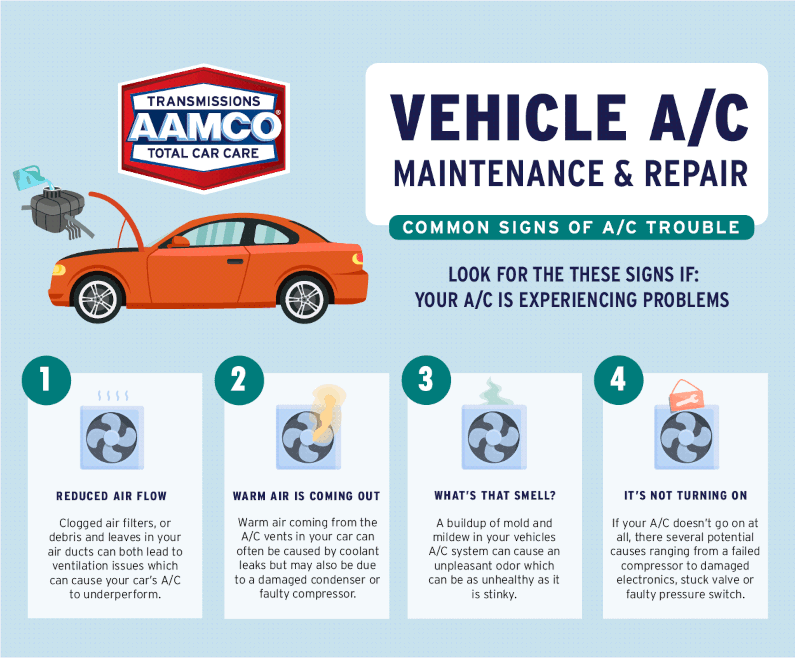
Technician performing AC system maintenance
Credit: www.aamcoblog.com
Diagnostic Tips
Diagnosing the root cause of the AC compressor issue in your car requires careful inspection and testing of various components. Here are some diagnostic tips:
Check the refrigerant pressure using a pressure gauge
Inspect the ground connections for any corrosion or damage
Test the clutch coil for proper functionality
Examine the fuses for any signs of damage
Verify the freon level using appropriate tools
Updated Refrigerant Information for 2026
As of 2026, most new vehicles use R-1234yf refrigerant, which operates at different pressures than the older R-134a. Always verify the correct refrigerant type for your vehicle before recharging; using the wrong refrigerant can damage the compressor and void warranties. The EPA provides guidelines on proper refrigerant handling and recovery. SAE International sets standards for automotive AC system service procedures and fittings. For more on this, see our guide on ac not working a complete troubleshooting guide.
Seeking Professional Assistance
If your attempts to resolve the AC compressor issue are unsuccessful, it's advisable to consult a professional automotive technician. They have the expertise and tools to diagnose and repair complex AC system problems effectively.
Furthermore, regular maintenance of your car's air conditioning system is essential to prevent such issues. Periodic inspection and servicing by a qualified professional can help in identifying and addressing potential problems before they escalate into major failures. For more on this, see our guide on ac not turning on troubleshooting guide.
Schedule a professional AC inspection today to stay cool all summer.
For a broader look at seasonal upkeep, see our guide on seasonal air conditioning maintenance tips.
Preventive Maintenance Checklist
- Inspect drive belt tension and condition every oil change
- Clean condenser fins annually to maintain airflow
- Verify cabin air filter is not restricted (replace per owner’s manual)
- Run AC for 10 minutes monthly in winter to circulate oil and keep seals lubricated
- Have refrigerant pressures checked during scheduled service intervals
- Listen for abnormal compressor clutch engagement noise at each startup
Cost Considerations and When to Replace
Compressor clutch replacement typically ranges from $200–$500 parts and labor, while a full compressor replacement can run $600–$1,200 depending on vehicle make and labor rates. If the compressor has seized and contaminated the system with metal debris, a complete flush and component replacement (condenser, accumulator, expansion valve) may be required, pushing costs above $1,500. In practice, if the vehicle is over 12 years old and the repair exceeds 50% of its value, many owners opt for a used compressor with a limited warranty rather than new OEM.
In Conclusion
Dealing with a non-engaging AC compressor in your car can be frustrating, especially during sweltering summer days. By understanding the common causes and potential solutions, you can effectively address the issue and ensure a comfortable and cool driving experience. Remember, proactive maintenance and timely repairs are key to keeping your car's air conditioning system in top-notch condition. For more on this, see our guide on ac compressor not turning on house.
Staying informed about the latest AC technology can also help you make smarter repair vs. replace decisions.
Frequently Asked Questions For Car Ac Compressor Not Kicking On : Troubleshooting Guide
What Would Cause Ac Compressor Not To Kick On?
There are several possible reasons why an AC compressor may not kick on. These include a blown fuse, a tripped circuit breaker, a broken thermostat, or dirty air filters. Other potential causes could be a low-pressure lockout, a poor ground, a bad clutch coil, an opening in the wire to the clutch coil, or a blown fuse.
It's best to have the unit examined to determine the exact cause.
Why Wont My Ac Compressor Come On In My Car?
The AC compressor may not start due to low pressure lockout, bad clutch coil, blown fuse, or broken wire.
How Do I Know If My Car Ac Compressor Is Bad?
You can tell if your car AC compressor is bad by checking for odd sounds, hot air, fluid leaks, and a stuck clutch.
Why Isn T Compressor Kicking On?
There can be several reasons why the AC compressor is not kicking on. Check for a blown fuse, tripped circuit breaker, faulty thermostat, or dirty air filters. Other possibilities include a low-pressure lockout, poor ground, bad clutch coil, or a blown fuse.
Ensure that there is enough freon in the system and check the pressure. If the compressor clutch is not engaged, it may indicate a problem. Consider consulting a professional for a thorough examination.
Can a Bad Pressure Switch Prevent Compressor Engagement?
Yes. Both the low-pressure and high-pressure switches can disable the compressor clutch if they detect out-of-range pressures. A failing switch may send a false signal even when pressures are normal.
Is It Safe to Drive With the AC Compressor Not Engaging?
Driving without AC is safe mechanically, but in extreme heat it can lead to driver fatigue and reduced visibility due to fogged windows. If the compressor is seized, the belt may eventually fail, potentially leaving you stranded.
How Often Should I Recharge My Car’s AC System?
A properly sealed system should not need regular recharging. If you’re adding refrigerant annually, there is a leak that must be located and repaired. Modern systems with R-1234yf are especially sensitive to overcharging.

