
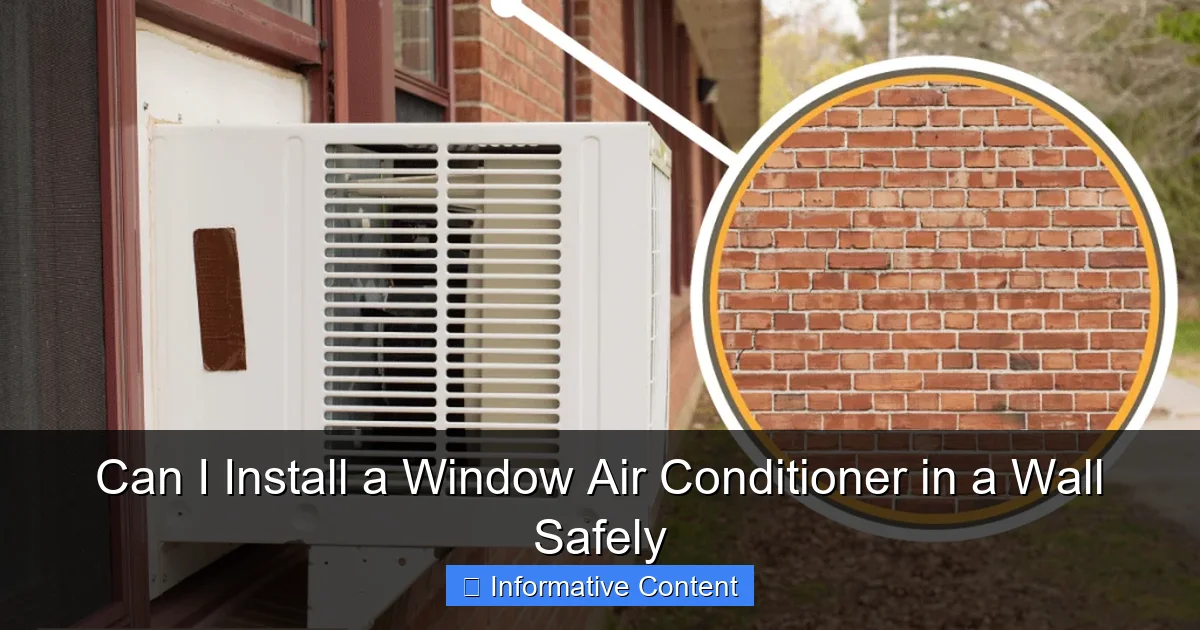
Featured image for can i install a window air conditioner in a wall
Image source: hvacseer.com
Yes, you can install a window air conditioner in a wall safely—but only with proper modifications and structural support. Cutting a wall sleeve and securing the unit with a reinforced frame prevents sagging, ensures drainage, and maintains efficiency. Never attempt a DIY wall installation without checking local building codes and the manufacturer’s guidelines.
Key Takeaways
- Check manufacturer guidelines: Ensure your unit is rated for wall installation to avoid hazards.
- Reinforce the wall structure: Use sturdy framing to support the AC’s weight safely.
- Seal gaps tightly: Prevent air leaks and pests with proper insulation and caulking.
- Prioritize drainage: Slope the unit outward for condensation to escape effectively.
- Verify electrical safety: Use a dedicated circuit to prevent overloading and fire risks.
- Consult a pro if unsure: Complex installations require expert help for code compliance.
📑 Table of Contents
- Can I Install a Window Air Conditioner in a Wall Safely?
- Understanding the Basics: What Is a Window Air Conditioner?
- Why Installing a Window AC in a Wall Is Risky
- When a Wall Installation Might Be Possible (With Modifications)
- Alternatives to Consider Before Cutting a Hole
- Step-by-Step: How to Install a Window AC in a Wall (If You Must)
- Data Table: Window AC vs. Wall Installation Risks & Solutions
- Final Thoughts: Is It Worth It?
Can I Install a Window Air Conditioner in a Wall Safely?
Imagine this: it’s the middle of July, the sun is blazing, and your house feels more like a sauna than a sanctuary. You finally cave and buy a window air conditioner (AC), dreaming of cool, refreshing air. But then you realize—your windows aren’t the right shape, size, or even accessible. What now? Maybe you’ve heard whispers about installing a window AC in a wall. It sounds like a quick fix, right? After all, both windows and walls are openings in your home. But before you grab your drill and start hacking away, let’s talk about whether this DIY move is a smart solution or a recipe for disaster.
You’re not alone. Many homeowners and renters face this dilemma, especially in older apartments, converted garages, or homes with non-standard window setups. The idea of a wall-mounted window AC might seem like a clever workaround, but it raises serious safety, efficiency, and structural concerns. In this guide, we’ll walk through everything you need to know about installing a window air conditioner in a wall—what works, what doesn’t, and how to do it (if at all) without risking your safety or your home’s integrity.
Understanding the Basics: What Is a Window Air Conditioner?
How Window ACs Are Designed to Work
Window air conditioners aren’t just called that for fun. Their entire design is built around being installed in a window frame. They have a specific layout: the cooling coils and fan face inside the room, while the compressor, condenser, and exhaust fan are on the outside. This dual-side setup allows them to pull in hot air from your room, cool it, and expel heat and moisture outdoors.
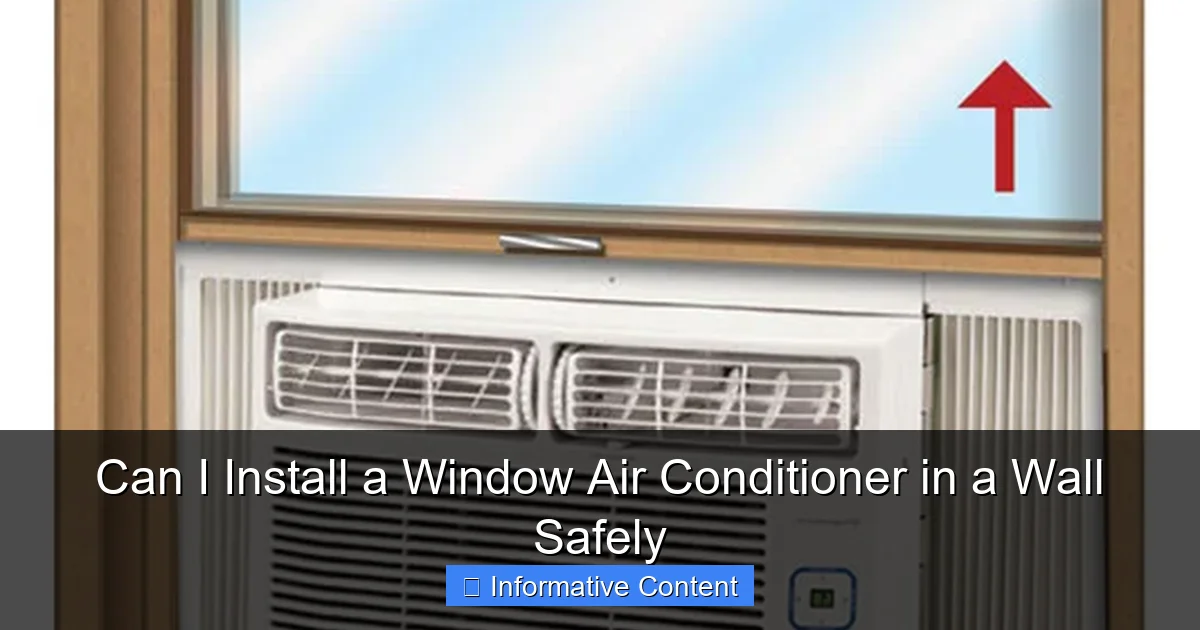
Visual guide about can i install a window air conditioner in a wall
Image source: ajmadison.com
The unit’s casing is engineered to seal tightly against the window opening. It usually includes a mounting kit—sash locks, side panels, and a support bracket—that keeps it stable and prevents air leaks. This setup ensures that hot air doesn’t sneak back in and that the unit doesn’t fall out (a real concern, especially on upper floors).
Key Features That Make Window ACs Different
- Weight distribution: Most window ACs are top-heavy. The compressor sits on the outside, so they’re designed to hang slightly outward from the window sill, with support from below.
- Ventilation needs: The exhaust side must have free airflow. Blocking it with a wall or insulation reduces efficiency and can damage the unit.
- Drainage: Condensation forms during cooling and drips out the back. In a wall, this could lead to water damage if not managed.
For example, a 10,000 BTU window AC might weigh 65 pounds. If installed in a wall without proper support, that weight could pull the unit inward or outward over time, causing cracks, leaks, or even a dangerous fall.
Why Installing a Window AC in a Wall Is Risky
Structural and Safety Concerns
The biggest risk? Structural compromise. Cutting a hole in your wall—especially an exterior one—isn’t like drilling a hole for a shelf. Walls hold up your house. They contain electrical wiring, plumbing, and insulation. Cutting into them without knowing what’s behind them can lead to:
- Damaged electrical circuits (fire hazard)
- Broken water pipes (water damage)
- Compromised insulation (higher energy bills)
- Weakened load-bearing walls (safety hazard)
Even in non-load-bearing walls, you’re creating a new opening that wasn’t designed to handle the weight and vibration of an AC unit. Over time, this can cause cracks in drywall, sagging, or even collapse.
Ventilation and Heat Exhaust Issues
Window ACs need to expel hot air. If you install one in a wall and block the exhaust side with insulation, drywall, or another room, you’re trapping that heat. The unit will overheat, work harder, and eventually fail. I once helped a friend who tried this—he cut a hole in his basement wall and shoved the AC in. Within two weeks, the unit was making a loud grinding noise and blowing warm air. Why? The exhaust was partially blocked by the wall cavity, causing the compressor to overheat.
Additionally, without proper airflow, the AC can’t “breathe,” leading to reduced cooling power and higher electricity bills. It’s like trying to run a marathon with a pillow over your face—possible, but not sustainable.
Water Damage and Condensation Problems
Every AC produces condensation as it cools the air. In a window installation, this water drips safely outside. But in a wall? That water has nowhere to go. It can:
- Pool inside the wall cavity, leading to mold and mildew
- Damage insulation, drywall, and framing
- Short-circuit electrical connections
Imagine waking up to a musty smell and peeling paint near the AC—classic signs of hidden water damage. Fixing that later can cost hundreds or even thousands of dollars.
When a Wall Installation Might Be Possible (With Modifications)
Using a Custom Sleeve or Frame
Yes, you *can* install a window AC in a wall—but only if you do it the right way. The key is using a custom sleeve or frame that mimics a window opening. Think of it like a “window-shaped” insert that fits snugly in your wall and holds the AC securely.
Here’s how it works:
- Cut a hole in the wall (only after checking for wires, pipes, and structural supports).
- Build or buy a metal or plastic sleeve that fits the AC’s dimensions.
- Secure the sleeve to the wall studs or framing with screws and sealant.
- Install the AC inside the sleeve, just like you would in a window.
This method keeps the unit stable, allows proper exhaust, and channels condensation outside. A friend of mine did this in her converted attic apartment. She hired a contractor to build a custom sleeve, and now her 8,000 BTU AC runs perfectly—no leaks, no overheating, just cool air.
Ensuring Proper Drainage and Venting
Even with a sleeve, you need to think about drainage. Most window ACs have a small drip tray or sloped back panel. When installed in a wall, you might need to:
- Add a drain tube that runs from the AC’s drip tray down to the outside.
- Angle the unit slightly (1–2 degrees) so water flows out, not in.
- Install a condensation pump if the AC is below ground level or can’t drain by gravity.
One DIYer in Seattle used a flexible PVC tube to route condensation from his wall-mounted AC to a downspout. It worked great—until a clog formed during a rainstorm. Lesson learned: always include a cleanout or check valve.
Sealing Gaps and Preventing Air Leaks
Even tiny gaps around the sleeve can let hot air back in, reducing efficiency. Use:
- Spray foam (but not too much—it can warp the AC casing)
- Weatherstripping tape
- Silicone caulk (for permanent sealing)
Pro tip: After installation, run your hand around the edges. If you feel a breeze, you’ve got a leak. Seal it before it costs you in energy bills.
Alternatives to Consider Before Cutting a Hole
Portable Air Conditioners
If you’re worried about wall damage, a portable AC might be your best bet. These units sit on the floor and vent heat through a hose that goes out a window or sliding door. No cutting, no permanent installation.
Pros:
- Easy to move from room to room
- No structural changes needed
- Great for renters
Cons:
- Less efficient than window or wall units
- Hose can be unsightly and hard to seal
- Noisy when running
For example, a 10,000 BTU portable AC might cool a 300 sq ft room, but it uses more electricity than a window unit doing the same job. Still, if you value flexibility and safety, it’s a solid choice.
Through-the-Wall Air Conditioners
These are *specifically* designed for wall installation. They look like window ACs but have a different casing and mounting system. They’re built to handle the weight, drainage, and exhaust needs of a wall setup.
Key differences:
- Flanges on the sides for screwing into wall studs
- Built-in drip trays with drain connections
- Sealed casing to prevent air leaks
Brands like Frigidaire, LG, and Friedrich make through-the-wall models in various BTUs. Yes, they cost more than window ACs (typically $200–$500), but they’re safer, more efficient, and designed for the job.
Mini-Split Ductless Systems
If you’re open to a bigger investment, a mini-split system is a game-changer. It has an outdoor compressor and an indoor air handler connected by a small refrigerant line (run through a 3-inch hole in the wall).
Pros:
- Super efficient (can cut cooling costs by 30–50%)
- Quiet operation
- Zoned cooling (cool only the rooms you use)
Cons:
- Higher upfront cost ($1,500–$3,000 installed)
- Requires professional installation
A neighbor installed a mini-split in her sunroom. She loves it—no noise, no drafts, just consistent cool air. It’s not a quick fix, but it’s a long-term solution.
Step-by-Step: How to Install a Window AC in a Wall (If You Must)
Assess Your Wall and Choose the Right Location
Before you touch a saw, check:
- Is it an exterior wall? (Only exterior walls work—interior walls won’t allow exhaust.)
- Are there studs, wires, or pipes? (Use a stud finder and electrical detector.)
- Is there space for the AC to tilt slightly outward?
- Can you safely access the outside for maintenance?
Pick a spot at least 12 inches from corners and windows. Avoid areas with direct sunlight or near heat sources like vents or appliances.
Build or Buy a Sleeve
You can buy pre-made sleeves (search “window AC wall sleeve” online) or build one from 2×4 lumber and plywood. The sleeve should:
- Be slightly larger than the AC (about 1 inch on each side)
- Have a sloped bottom for drainage
- Include side flanges for attaching to studs
Example: For a 24” x 16” AC, make a sleeve that’s 26” x 18” with a 2×4 frame and 1/2” plywood back.
Install the Sleeve and AC
- Cut the wall opening (use a reciprocating saw or jigsaw).
- Secure the sleeve with screws into the studs.
- Apply exterior-grade sealant around the edges.
- Slide the AC into the sleeve and secure it with the manufacturer’s mounting hardware.
- Attach side panels (if included) and seal gaps.
- Connect a drain tube if needed.
Test and Monitor
After installation:
- Run the AC for 24 hours.
- Check for leaks, unusual noises, or water pooling.
- Feel around the edges for air leaks.
- Monitor your electricity usage—sudden spikes mean inefficiency.
If everything works, great! If not, don’t ignore it. Fix issues early before they become costly.
Data Table: Window AC vs. Wall Installation Risks & Solutions
| Issue | Risk in Wall Installation | Solution |
|---|---|---|
| Structural Damage | High (if not properly supported) | Use a sleeve anchored to wall studs |
| Ventilation Blockage | High (trapped heat) | Ensure exhaust side has 6+ inches of clearance |
| Water Damage | Moderate to High | Install drain tube or condensation pump |
| Air Leaks | Moderate | Seal gaps with foam, caulk, or tape |
| Noise | Low to Moderate | Use vibration pads under the sleeve |
| Efficiency | Reduced by 10–20% if poorly sealed | Proper sealing and insulation |
Final Thoughts: Is It Worth It?
So, can you install a window air conditioner in a wall safely? The short answer: yes, but only if you do it right. It’s not a simple DIY job for a weekend warrior. It requires planning, the right tools, and respect for your home’s structure.
If you’re handy, willing to invest time, and have a solid plan (like using a sleeve, managing drainage, and sealing gaps), it *can* work. But if you’re unsure, or if your wall has hidden hazards, don’t risk it. The cost of fixing water damage, electrical issues, or structural failure far outweighs the convenience of a wall-mounted window AC.
Instead, consider safer alternatives: a portable AC for temporary cooling, a through-the-wall unit for a permanent fix, or a mini-split for long-term efficiency. These options are designed for the job and won’t put your home—or your safety—at risk.
At the end of the day, staying cool shouldn’t mean putting your home in danger. Think smart, plan carefully, and when in doubt, call a professional. Because the only thing you should be sweating this summer is the humidity—not your AC installation.
Frequently Asked Questions
Can I install a window air conditioner in a wall instead of a window?
Yes, you can install a window air conditioner in a wall, but it requires careful planning to ensure proper support, ventilation, and weatherproofing. This method is often called a “through-the-wall” installation and works best with custom-built or prefabricated wall sleeves.
Is it safe to install a window AC unit in a wall long-term?
It can be safe if the wall is structurally sound, the unit is secured properly, and there’s adequate clearance for airflow. Avoid blocking the rear vents or installing in load-bearing or insulated walls without professional guidance.
What tools do I need to install a window air conditioner in a wall?
You’ll need a saw for cutting the opening, a level, screws, brackets, a wall sleeve (recommended), and weatherproof sealant. Always follow the manufacturer’s instructions for your specific window air conditioner in wall setup.
Can I install a window AC unit in a wall without a sleeve?
While possible, skipping a sleeve increases risks of water leaks, poor insulation, and structural damage. A wall sleeve provides stability and helps seal gaps, making it the safer choice for a window air conditioner in wall installation.
Will installing a window AC in a wall void the warranty?
Some manufacturers may void the warranty if the unit is installed improperly or in a non-standard way. Check your model’s warranty terms and consider hiring a professional to avoid issues.
How do I ensure proper drainage when installing a window AC in a wall?
Tilt the unit slightly downward (about ¼ inch) toward the outside to allow condensation to drain. Use a drain pan or gutter system if the wall cavity lacks natural drainage.