
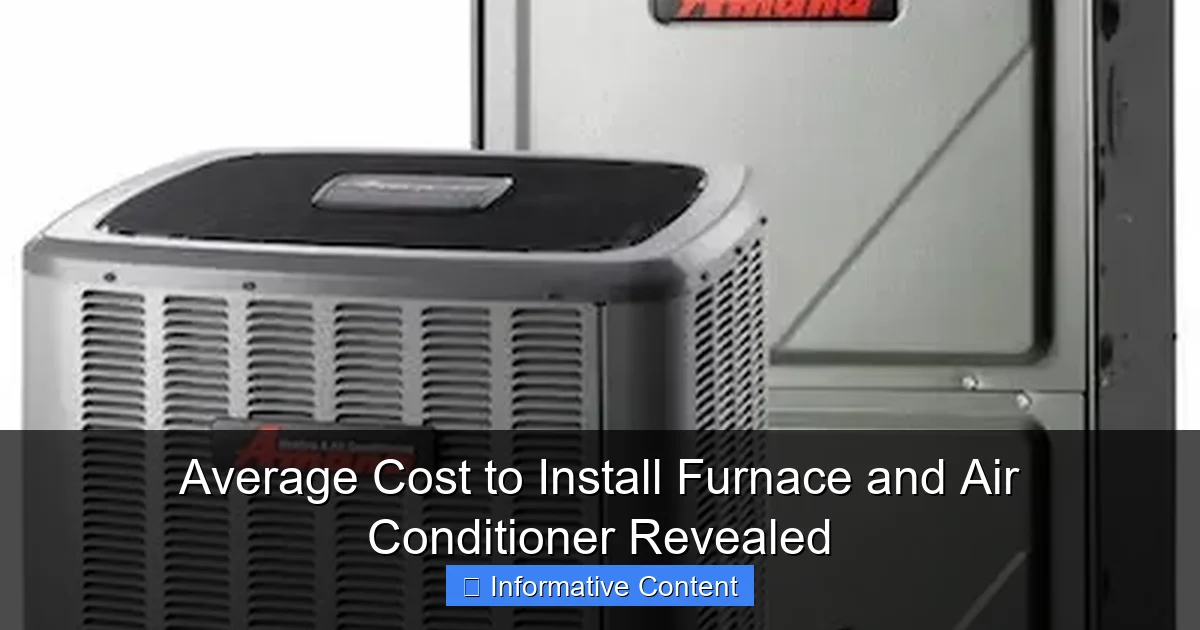
Featured image for average cost to install furnace and air conditioner
Image source: pickhvac.com
The average cost to install a furnace and air conditioner ranges from $5,000 to $12,000, depending on system type, efficiency, and home size. High-efficiency models and complex installations can push costs even higher, making it crucial to get multiple quotes and plan for long-term energy savings.
Key Takeaways
- Costs range widely: Expect $5,000–$12,000 depending on system type and home size.
- Get multiple quotes: Compare 3+ local HVAC pros to ensure fair pricing.
- Prioritize efficiency: Higher SEER/HSPF ratings cut long-term energy bills despite upfront cost.
- Check rebates: Local and federal incentives can save $500–$2,000 on installation.
- DIY isn’t advised: Complex HVAC work requires licensed pros for safety and code compliance.
- Size matters: Properly sized systems maximize efficiency and lifespan—avoid oversizing or undersizing.
📑 Table of Contents
- Why Replacing Your HVAC System Is a Big Decision (And What It Really Costs)
- What Influences the Average Cost to Install Furnace and Air Conditioner?
- Average Cost Breakdown: Furnace, AC, and Combined Systems
- Hidden Costs and Unexpected Expenses (Don’t Get Caught Off Guard)
- How to Save Money Without Sacrificing Quality
- What to Look for in an HVAC Contractor (Avoiding the Horror Stories)
- Final Thoughts: Making the Right Choice for Your Home and Budget
- Data Table: Average Cost Summary by System Type
Why Replacing Your HVAC System Is a Big Decision (And What It Really Costs)
Let’s be honest—replacing your furnace and air conditioner isn’t exactly the kind of home improvement project you get excited about. It’s not like picking out a new sofa or installing smart lights. No, this is the kind of upgrade that creeps up on you. One day, your furnace is chugging along, and the next, it’s making noises that sound like a washing machine full of rocks. Or your AC stops cooling during the first summer heatwave. Sound familiar?
When that happens, you’re suddenly faced with a big question: What’s the average cost to install furnace and air conditioner? It’s not just about the price tag. You’re also thinking about reliability, efficiency, and how long this new system will last. I remember when my own furnace gave up the ghost after 18 years. I was overwhelmed, confused, and honestly, a little anxious. I didn’t want to overpay, but I also didn’t want to cut corners on something this important. That’s why I’ve put together this guide—to help you understand what’s involved, what to expect, and how to make a smart decision without losing sleep (or your savings).
What Influences the Average Cost to Install Furnace and Air Conditioner?
Before we dive into dollar amounts, it’s crucial to understand that the average cost to install furnace and air conditioner isn’t one fixed number. It’s more like a sliding scale, influenced by a bunch of factors. Think of it like buying a car: a basic sedan costs less than a luxury SUV with all the bells and whistles. Your HVAC system is similar. Let’s break down the biggest variables.
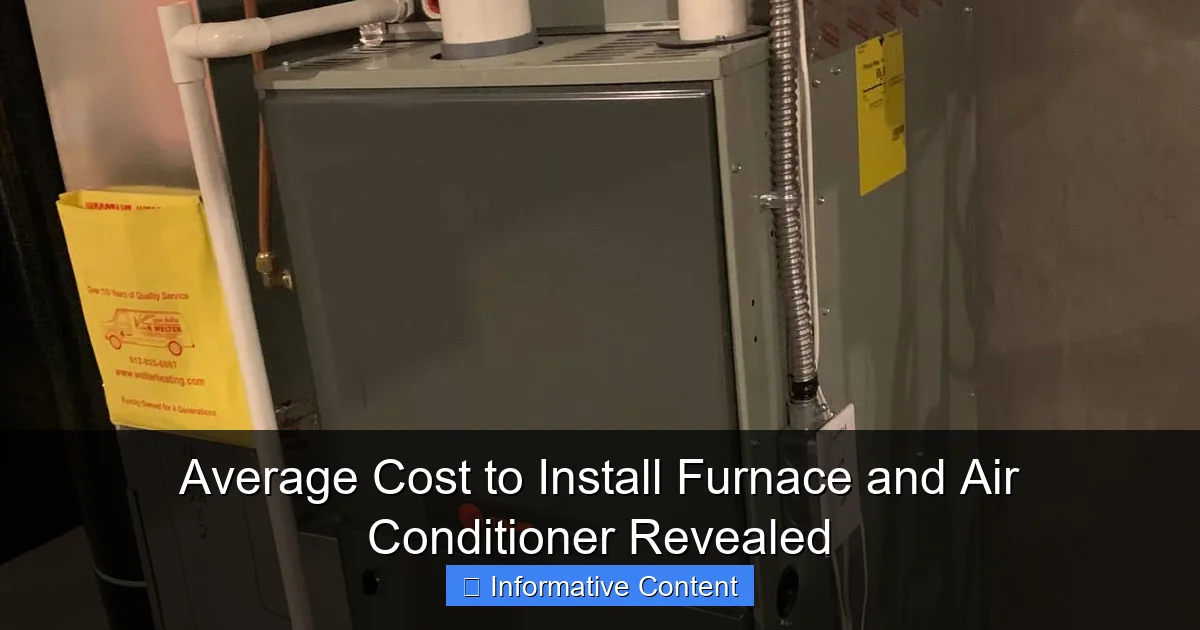
Visual guide about average cost to install furnace and air conditioner
Image source: cdn.inchcalculator.com
1. Equipment Type and Efficiency
This is the big one. The type of furnace and AC unit you choose directly impacts the price. Here’s a quick rundown:
- Furnaces: You can go with a basic single-stage furnace (lower upfront cost, less efficient), a two-stage model (better efficiency, quieter operation), or a high-efficiency variable-speed furnace (most expensive, but can cut heating bills by up to 30%).
- Air Conditioners: Standard units (13–16 SEER) are cheaper but less efficient. Mid-range (16–18 SEER) offers a good balance. High-efficiency models (20+ SEER) cost more but can save hundreds on summer cooling bills.
- Heat Pumps: In milder climates, a heat pump (which heats and cools) might be a great option. It can replace both systems, but the average cost to install furnace and air conditioner with a heat pump can be higher due to more complex installation.
Tip: Look for the ENERGY STAR label. These units meet strict efficiency standards and often qualify for rebates, which can help offset the cost.
2. Home Size and Layout
Size matters—a lot. A 2,500-square-foot home with vaulted ceilings and lots of windows needs a much bigger system than a 1,200-square-foot bungalow. Bigger homes require larger, more powerful units, which cost more. But it’s not just square footage. The layout also plays a role. Homes with multiple levels, poor insulation, or lots of sun exposure may need additional ductwork or zoning systems, which can add to the average cost to install furnace and air conditioner.
3. Ductwork Condition
Here’s a hidden cost many people forget: your existing ductwork. If it’s old, leaky, or poorly designed, it can seriously impact your new system’s efficiency. A pro will inspect it and recommend repairs or replacement. Sealing ducts costs a few hundred dollars. Replacing them entirely? That can add $2,000–$6,000 or more, depending on your home’s size and complexity.
4. Labor and Location
Labor rates vary widely by region. If you live in a city with a high cost of living, expect to pay more. Rural areas might have lower rates, but fewer qualified technicians. Also, the complexity of the job matters. Installing a furnace in a tight basement with limited access is harder (and more expensive) than in a spacious utility room. And if you’re replacing an old system with a different type (like switching from oil to gas), that can add time and labor costs.
5. Permits and Inspections
Most areas require permits for HVAC installations. These typically cost $100–$500 and cover inspections to ensure the work meets local codes. While it might seem like a hassle, it’s there to protect you and ensure your system is safe and efficient.
Average Cost Breakdown: Furnace, AC, and Combined Systems
Now, let’s get to the numbers. Here’s a realistic breakdown of what you can expect to pay, based on national averages and real-world projects.
Furnace Installation Costs (Standalone)
- Basic Single-Stage Gas Furnace (80% AFUE): $3,000–$4,500 (equipment + installation)
- Mid-Range Two-Stage Gas Furnace (90–95% AFUE): $4,500–$6,500
- High-Efficiency Variable-Speed Gas Furnace (95%+ AFUE): $6,500–$10,000+
- Oil or Electric Furnaces: Slightly higher due to fuel type and installation complexity ($4,000–$8,000)
Note: AFUE (Annual Fuel Utilization Efficiency) measures how efficiently a furnace converts fuel to heat. The higher the AFUE, the more efficient (and usually more expensive) the unit.
Air Conditioner Installation Costs (Standalone)
- Standard AC (13–16 SEER): $3,500–$5,500
- Mid-Range AC (16–18 SEER): $5,500–$7,500
- High-Efficiency AC (20+ SEER): $7,500–$11,000+
- Ductless Mini-Split AC (for homes without ducts): $3,500–$8,000 per indoor unit
Tip: SEER (Seasonal Energy Efficiency Ratio) measures cooling efficiency. Like AFUE, higher SEER = better efficiency and higher cost.
Combined Furnace and AC Installation
This is where the average cost to install furnace and air conditioner as a package comes in. Bundling both systems often saves money on labor and sometimes on equipment. Here’s what you can expect:
- Basic System (80% AFUE furnace + 13–16 SEER AC): $6,500–$9,000
- Mid-Range System (90–95% AFUE furnace + 16–18 SEER AC): $9,000–$13,000
- High-Efficiency System (95%+ AFUE furnace + 20+ SEER AC): $13,000–$20,000+
Real-World Example: A friend of mine in Ohio replaced a 15-year-old furnace and AC with a high-efficiency combo system. Total cost? $14,800. That included a 96% AFUE furnace, a 19 SEER AC, new thermostats, and minor duct repairs. She qualified for a $1,000 utility rebate, bringing her net cost down to $13,800. Not cheap, but she’s already saving $200/month on energy bills.
Heat Pump Systems (Alternative to Furnace + AC)
- Standard Air-Source Heat Pump (16–18 SEER / 9–10 HSPF): $5,000–$8,000
- High-Efficiency Heat Pump (20+ SEER / 10+ HSPF): $8,000–$12,000
- Geothermal Heat Pump (Super Efficient, but High Installation Cost): $15,000–$30,000+
Note: HSPF (Heating Seasonal Performance Factor) measures heat pump heating efficiency. Like SEER and AFUE, higher is better.
Hidden Costs and Unexpected Expenses (Don’t Get Caught Off Guard)
Here’s the thing about HVAC projects: they’re full of surprises. Even with a detailed quote, unexpected costs can pop up. Let’s talk about some of the most common ones.
Ductwork Repairs or Replacement
I mentioned this earlier, but it’s worth emphasizing. Old ducts can be a major energy drain. If your technician finds leaks, gaps, or poor insulation, they’ll recommend fixes. Here’s what it might cost:
- Sealing Ducts: $200–$800
- Replacing Ducts (Partial): $1,000–$3,000
- Replacing Ducts (Full System): $3,000–$8,000+
Tip: Ask for a duct inspection before you sign the contract. It could save you thousands later.
Thermostat and Smart Controls
Most new systems come with programmable or smart thermostats. Basic programmable models cost $100–$200. Smart thermostats (like Nest, Ecobee, or Honeywell) range from $200–$400 and can save you 10–15% on energy bills. But if you want advanced features (like zoning or remote sensors), that can add $500–$1,500.
Gas Line or Electrical Upgrades
If you’re switching from electric to gas, or if your home’s electrical panel can’t handle the new system, you might need upgrades. A new gas line can cost $500–$2,000. Electrical panel upgrades? $1,000–$3,000 or more. These are often overlooked but can be major budget busters.
Permits, Inspections, and Code Compliance
As mentioned earlier, permits and inspections are usually $100–$500. But if your home doesn’t meet current code (like needing a new exhaust flue or condensate drain), that can add another $500–$2,000. It’s not glamorous, but it’s essential for safety and efficiency.
Disposal of Old Equipment
Some companies include disposal in their quote. Others charge extra. It’s usually $100–$300. Make sure it’s in your contract so you’re not surprised at the end.
Emergency or Off-Hours Installation
If you need a system installed during a heatwave or cold snap, some companies charge a premium for emergency service. It might be worth it for comfort, but it could add 10–20% to the total cost.
How to Save Money Without Sacrificing Quality
HVAC systems are a big investment, but there are smart ways to reduce the average cost to install furnace and air conditioner without cutting corners.
1. Get Multiple Quotes (And Compare Apples to Apples)
Never accept the first quote. Get at least three from licensed, reputable companies. But don’t just compare prices. Look at what’s included: equipment brand, efficiency ratings, labor warranty, and any add-ons (like duct sealing or thermostats). A low quote might mean cheap equipment or hidden fees.
2. Take Advantage of Rebates and Incentives
Many states, utilities, and manufacturers offer rebates for high-efficiency systems. For example:
- Federal Tax Credits: Up to 30% of the cost (capped at $3,200) for qualifying ENERGY STAR systems.
- Utility Rebates: Local power or gas companies often offer $200–$1,000 for efficient equipment.
- Manufacturer Rebates: Check the website of your chosen brand for seasonal promotions.
These can add up to thousands in savings. My friend mentioned earlier saved $1,000 with a utility rebate—that’s a 7% discount!
3. Time Your Purchase Strategically
HVAC companies are busiest in spring (for AC) and fall (for furnaces). If you schedule your installation in late winter or early summer, you might get a discount. Some companies offer “off-season” promotions to keep their crews busy.
4. Consider a System That Matches Your Needs
Don’t overbuy. A massive furnace won’t heat your home faster—it just wastes energy. Work with your contractor to size your system correctly. Oversized systems cost more and wear out faster. Undersized systems struggle to keep up. It’s a Goldilocks situation: you want it just right.
5. Bundle Services (But Only If It Makes Sense)
Some companies offer discounts for bundling furnace and AC installation. But only do this if you need both systems replaced. If your furnace is fine, don’t replace it just to get a discount. That’s like buying a new car because the dealership has a sale on tires.
6. Ask About Financing
Many HVAC companies offer financing plans (0% interest for 12–24 months, or low APR for longer terms). This can make the monthly cost more manageable. Just make sure you understand the terms and avoid deferred interest traps.
What to Look for in an HVAC Contractor (Avoiding the Horror Stories)
Not all HVAC companies are created equal. I’ve heard nightmare stories—overpriced quotes, shoddy work, systems that break down after a year. Here’s how to avoid the bad apples.
1. Check Credentials
- Licensing: Make sure they’re licensed in your state.
- Insurance: They should have liability and workers’ comp insurance.
- Certifications: Look for NATE (North American Technician Excellence) certification. It’s the gold standard.
2. Read Reviews (But Be Skeptical)
Check Google, Yelp, and the BBB. Look for consistent themes—not just one or two bad reviews. But remember, even great companies get a few complaints. Focus on how they respond to criticism.
3. Ask About the Installation Process
A good contractor will:
- Perform a load calculation (to size your system correctly)
- Inspect your ductwork
- Explain the equipment they’re installing
- Provide a detailed written quote
- Offer a labor warranty (1–5 years is typical)
4. Get Everything in Writing
Verbal promises don’t count. Your contract should include:
- Equipment brand, model, and efficiency ratings
- Total price (including all fees and taxes)
- Labor warranty
- Start and completion dates
- Payment schedule
5. Trust Your Gut
If a contractor seems pushy, vague, or unwilling to answer questions, walk away. You want someone who’s transparent, patient, and focused on your needs—not just closing the sale.
Final Thoughts: Making the Right Choice for Your Home and Budget
Replacing your furnace and air conditioner is a big deal. It’s not just about the average cost to install furnace and air conditioner—it’s about long-term comfort, energy savings, and peace of mind. I know it’s tempting to go with the cheapest option, but remember: this is a 15–20 year investment. Cutting corners now could cost you more later in repairs, energy bills, and premature replacement.
Here’s my advice: take your time. Get multiple quotes. Do your research. Ask questions. And don’t be afraid to push back if something doesn’t feel right. The right system—and the right contractor—will pay off for years to come.
And one last tip: once your new system is installed, schedule regular maintenance. A tune-up every year (or every six months for high-efficiency models) can extend its life, improve efficiency, and catch small problems before they become big ones. It’s like changing the oil in your car—simple, but essential.
At the end of the day, a new HVAC system isn’t just a purchase. It’s a promise to yourself and your family: that you’ll stay warm in the winter, cool in the summer, and in control of your energy bills. And that? That’s priceless.
Data Table: Average Cost Summary by System Type
| System Type | Efficiency Level | Average Cost Range | Best For |
|---|---|---|---|
| Basic Furnace + AC | 80% AFUE, 13–16 SEER | $6,500–$9,000 | Budget-conscious homeowners, mild climates |
| Mid-Range Furnace + AC | 90–95% AFUE, 16–18 SEER | $9,000–$13,000 | Most homes, balance of cost and efficiency |
| High-Efficiency Furnace + AC | 95%+ AFUE, 20+ SEER | $13,000–$20,000+ | Energy savers, extreme climates |
| Heat Pump (Air-Source) | 16–18 SEER / 9–10 HSPF | $5,000–$8,000 | Homes without ducts, mild winters |
| Geothermal Heat Pump | 25+ SEER / 10+ HSPF | $15,000–$30,000+ | Long-term savings, eco-conscious buyers |
Frequently Asked Questions
What is the average cost to install a furnace and air conditioner?
The average cost to install a furnace and air conditioner ranges from $5,000 to $12,000, depending on system size, efficiency, and labor rates. High-efficiency models or complex installations may push costs higher.
How much does labor cost for furnace and AC installation?
Labor typically accounts for 30–50% of the total installation cost, averaging $1,500 to $4,000. Prices vary by region and contractor expertise.
Does the average cost to install furnace and air conditioner include ductwork?
Not always—basic quotes often exclude ductwork, which can add $1,500 to $5,000 if repairs or new ducts are needed. Always request a detailed breakdown.
Are high-efficiency furnaces and ACs worth the extra cost?
Yes, high-efficiency systems (90%+ AFUE for furnaces, 18+ SEER for ACs) may cost 20–30% more upfront but save on energy bills over time. Tax credits can also offset costs.
Can I save money by installing both a furnace and AC at the same time?
Bundling installation often reduces costs by 10–20% since contractors can complete both jobs in one visit, minimizing labor and permitting fees.
What factors increase the total cost of furnace and air conditioner installation?
Key cost drivers include system size (tonnage/BTUs), efficiency ratings, brand, accessibility, and local permits. Older homes may need electrical or ductwork upgrades, adding to expenses.