
Dreaming of comfortable RV adventures, even when the mercury rises? You’re not alone! Many RVers look for ways to stay cool, especially when off the grid. If you’ve been searching for a “propane air conditioner for RV,” you might be surprised to learn that true propane-powered air conditioners are quite rare, if not virtually non-existent, in modern RVs.
The good news? While a direct propane air conditioner for RV isn’t a practical solution, the world of RV cooling has evolved with incredibly efficient electric options. These units, designed for low power consumption and often compatible with 12V DC systems, are perfect for boondocking, solar setups, and enjoying peace and quiet without a noisy generator constantly running.
In this article, we’ll clear up the confusion about propane ACs and dive into 5 top-notch electric RV air conditioners that deliver exceptional cooling, energy efficiency, and modern features. We’ll help you find the perfect solution to keep your RV cool and comfy, whether you’re hooked up at a campground or enjoying the great outdoors.
Why True Propane RV Air Conditioners Are So Rare
The idea of a direct propane air conditioner for RV seems appealing, especially given that many RV refrigerators can run on propane. However, air conditioning works on a different principle. While refrigerators use an “absorption cycle” that can be fueled by propane (or electricity), most air conditioners use a “compressor cycle.” This process is far more efficient when powered by electricity.
Developing an efficient, safe, and compact propane-fueled compressor for an RV air conditioner presents significant challenges:
- Inefficiency: Converting propane’s heat energy into mechanical work to drive a compressor is much less efficient than using an electric motor.
- Safety Concerns: Storing and burning large amounts of propane for continuous AC operation would increase safety risks (carbon monoxide, fire).
- Weight & Size: A propane-powered AC would likely be much heavier and larger than electric counterparts due to the complex combustion and heat exchange systems required.
- Maintenance: More moving parts and combustion components mean higher maintenance.
For these reasons, the RV industry has largely moved towards advanced electric air conditioning systems. When you hear about an RV using propane for AC, it’s almost always referring to a propane generator powering a standard electric air conditioner.
Understanding Your RV Cooling Options
Since direct propane ACs aren’t the answer, what are the best ways to cool your RV? Modern RV air conditioners primarily fall into two categories:
- 110-120V AC Units: These are standard household voltage units, common in RVs. They typically require shore power (campground hookups) or a robust inverter/generator setup to run. Many newer models, like some we’ll review, boast low amp draw for better off-grid compatibility.
- 12V DC Units: These units are designed to run directly from your RV’s 12V battery system. They’re game-changers for boondockers and solar enthusiasts, offering true off-grid cooling without needing an inverter or generator for power. They draw significantly less power than their 110V counterparts and are becoming increasingly popular.
Now, let’s explore some of the best electric RV air conditioners on the market that deliver comfort and efficiency!
Our Top 5 Electric RV Air Conditioner Alternatives:
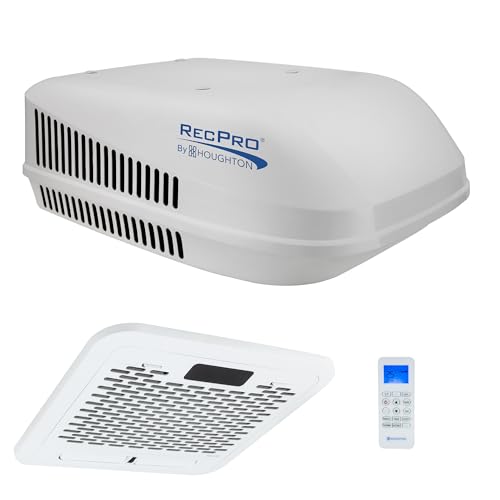
1. RecPro RV Air Conditioner 15K Ducted or Non-Ducted

The RecPro RV Air Conditioner 15K stands out as a versatile and energy-conscious choice for RV owners. This unit is designed with flexibility in mind, offering both ducted and non-ducted airflow options, making it suitable for a wide range of RV setups. What truly makes it shine is its whisper-quiet operation and an impressive low amp draw, allowing you to run multiple appliances without stressing your power system – a huge plus for those who venture off the beaten path or rely on solar power. With an integrated heat pump, it’s also ready to keep you comfortable across all four seasons.
-
Key Features:
- Low Amp Draw for Energy Efficiency – Perfect for off-grid, solar, or generator setups.
- Durable, Road-Ready Construction – UV-resistant plastic, aerodynamic shape.
- Whisper-Quiet 55.4 dB Operation – Quieter than traditional RV ACs.
- Remote and LED Touch Controls – Multiple modes (cool, dry, fan, sleep, timer), no thermostat wiring needed.
- 15K BTU AC with Built-In Heat Pump – Fast cooling and supplemental heating for four-season comfort.
- Ducted or Non-Ducted Compatibility.
-
Pros:
- Excellent energy efficiency with low amp draw.
- Extremely quiet operation enhances comfort.
- Versatile with ducted/non-ducted options.
- Includes a heat pump for year-round use.
- User-friendly controls.
-
Cons:
- Requires 110-120V power (generator/shore power/large inverter).
- 15K BTU might be overkill for smaller RVs, but good for larger ones.
-
User Impressions: RVers frequently praise this unit for its quiet performance, noting a significant improvement over older, noisier ACs. Many appreciate the low power draw, stating it makes boondocking with a smaller generator or inverter much more feasible. The heat pump feature is also a big hit, providing welcome warmth on chilly mornings.
- Call to Action: See it on Amazon here
2. RV Air Conditioner, 12V 10000 BTU Rooftop Air Conditioner

This 12V 10000 BTU Rooftop Air Conditioner is a robust solution specifically engineered for the demands of off-grid RVing. Its standout feature is its ability to deliver swift and consistent cooling directly from your 12V system, making it an ideal choice for solar-powered setups and boondockers. The unit also boasts a sturdy, weather-resistant build and quiet operation, ensuring your adventures are comfortable and uninterrupted by the elements or excessive noise. While it includes a supplementary heater, its primary strength lies in its efficient cooling performance.
-
Key Features:
- Efficient Cooling: 10,000 BTU cools RV in just 15 minutes.
- 4,500 BTU PTC Heater: Provides supplementary warmth for mild temperatures/small spaces.
- Durable & Weather-Resistant: UV-stabilized ABS, EPDM foam gasket, zinc-coated condenser.
- Quiet Operation: Brushless copper motor fans, spring-supported mounts, directional duct.
- Smart Control & Easy Operation: Remote control, temperature monitoring, multiple modes (eco, sleep, turbo).
- Designed for 12V direct power.
-
Pros:
- Direct 12V operation – no inverter needed for AC power.
- Quick and efficient cooling.
- Built for harsh outdoor conditions.
- Quiet performance.
- Smart control options for personalized comfort.
-
Cons:
- PTC heater is supplementary, not a primary heat source in extreme cold.
- 10,000 BTU might not be enough for very large RVs in extreme heat.
-
User Impressions: Users are thrilled with the direct 12V operation, highlighting its game-changing ability for boondocking with solar setups. The quick cooling and relatively quiet performance are frequently praised, making it a favorite for those seeking true off-grid comfort. Some wished the heater was more powerful, but understood its supplementary role.
- Call to Action: See it on Amazon here
3. RecPro RV Air Conditioner 15K | Quiet AC | 110-120V

This RecPro 15K BTU RV Air Conditioner builds on the brand’s reputation for quality, focusing on ultra-quiet operation and energy efficiency. It’s almost identical to the first RecPro model reviewed but emphasizes its core strengths for both ducted and non-ducted systems. If you’re looking for a powerful, yet discreet, cooling and heating solution that won’t drain your battery bank excessively when connected to an inverter, this 15,000 BTU unit is a fantastic contender. Its robust design ensures it can handle the rigors of the road, keeping you comfortable trip after trip.
-
Key Features:
- Energy-Efficient Low Amp Draw – Power multiple appliances without overload.
- Rugged, Durable Design Built for Travel – UV-resistant plastic, aerodynamic profile.
- Ultra-Quiet Operation – Just 55.4 dB, similar to gentle rain.
- Multi-Function Remote + LED Touch Display – Cool, dry, fan, sleep, timer modes; no thermostat wiring.
- Built-In Heat Pump for 4-Season Comfort – Powerful cooling and supplemental warmth.
- Ducted and Non-Ducted Compatibility.
-
Pros:
- Excellent balance of power (15K BTU) and energy efficiency.
- Exceptionally quiet operation.
- Durable construction for long-term RV use.
- Versatile for different RV ducting systems.
- Integrated heat pump for year-round comfort.
-
Cons:
- Requires 110-120V power, necessitating shore power, generator, or a substantial inverter.
- Might be overpowered for very small campers.
-
User Impressions: Many customers report a noticeable decrease in noise compared to their previous RV ACs, making for more peaceful nights. The low amp draw is a frequent highlight, allowing them to use their generators less or rely more on their battery systems (with an inverter). The dual cooling/heating function is a definite bonus for diverse climates.
- Call to Action: See it on Amazon here
4. Furrion Chill Cube 18k BTU Variable Speed RV Rooftop Air

The Furrion Chill Cube 18k BTU Variable Speed RV Rooftop Air Conditioner is a powerhouse designed for those who demand superior performance and efficiency. What sets it apart is its variable speed compressor technology, which not only cools faster and more efficiently but also results in quieter operation by eliminating abrupt starts and stops. This high-capacity unit is ideal for larger RVs or those facing extreme heat, offering significant cooling power while being surprisingly energy efficient, which translates to longer battery runtime during off-grid adventures. Plus, its compact and lighter design helps reduce drag.
-
Key Features:
- Easy to Install – Simple bolt-on installation (ADB sold separately).
- Superior Performance – Variable speed compressors move cool air faster and more efficiently.
- High Capacity & Efficiency – 18K BTU provides over a ton of cooling power, more energy-efficient than typical RV ACs.
- Quiet Operation – Variable speed compressors eliminate abrupt starts/stops.
- Compact Design – Lighter (72.4 lbs) and aerodynamic to reduce drag and improve gas mileage.
- This is the AC unit only; ADB (Air Distribution Box) is sold separately.
-
Pros:
- Extremely high cooling capacity (18K BTU).
- Variable speed compressor for superior efficiency and quiet operation.
- Reduces battery draw compared to standard ACs for off-grid use.
- Lighter and more aerodynamic design.
- Relatively easy installation.
-
Cons:
- ADB (Air Distribution Box) and necessary installation components are sold separately.
- 18K BTU might be overkill and consume more power than needed for smaller RVs.
- Requires 110-120V power.
-
User Impressions: Owners are consistently impressed by the rapid cooling ability and the noticeable quietness of this unit, especially compared to fixed-speed alternatives. The improved energy efficiency for an 18K BTU unit is a major selling point for those with substantial battery banks or wanting to extend generator run times. The lighter design is also a welcome benefit.
- Call to Action: See it on Amazon here
5. 12V RV Air Conditioner with Heat Pump, 11,500 BTU Rooftop

This 12V RV Air Conditioner with Heat Pump is a true off-grid champion, built from the ground up to operate directly on your RV’s 12V battery system without needing an inverter. Its 11,500 BTU cooling capacity is formidable for a 12V unit, ensuring you stay cool even in blistering heat. Beyond its power, the unit is incredibly quiet, boasts a sleek, low-profile design to minimize wind drag, and includes a heat pump for added versatility. For solar-powered setups and energy-conscious travelers, this unit offers freedom and comfort wherever the road takes you.
-
Key Features:
- High-Efficiency 11,500 BTU Cooling Performance – Powerful cooling for RVs, vans, trailers, campers.
- 12V DC Direct Power No Inverter Needed – Runs directly on your 12V battery system.
- Ultra Quiet Operation Sleep in Comfort – As low as 45dB inside the cabin with a DC inverter compressor.
- Slim, Low-Profile Design with Durable Housing – Only 7.1 inches high, reduces wind drag, UV-resistant ABS.
- Easy Installation & Wide Compatibility – Fits standard 14.1″x14.1″ rooftop openings.
- Includes a Heat Pump.
-
Pros:
- Truly off-grid capable with direct 12V DC power.
- Excellent 11,500 BTU cooling for a 12V unit.
- Extremely quiet operation.
- Low-profile, aerodynamic design.
- Integrated heat pump for four-season use.
- Easy DIY or professional installation.
-
Cons:
- Requires a robust 12V battery bank to run effectively for extended periods.
- Initial cost may be higher than some 110V units.
-
User Impressions: This unit receives rave reviews for its genuine 12V off-grid capability, allowing users to run AC for hours without a generator or shore power when paired with adequate batteries and solar. The quietness is a major plus for sleeping, and the sleek design is appreciated for aesthetics and reduced drag. Many consider it a superior alternative for boondocking.
- Call to Action: See it on Amazon here
Buying Guide: What to Look For in an RV Air Conditioner
Choosing the right RV air conditioner involves considering several factors to match your specific RVing style and needs:
- BTU Rating (Cooling Capacity): This measures how much heat the unit can remove. A general guideline:
- Small RVs/Pop-ups (up to 20 ft): 7,000-10,000 BTU
- Medium RVs (20-30 ft): 11,000-13,500 BTU
- Large RVs/Fifth Wheels (30+ ft): 15,000-18,000+ BTU (often require two units)
- Consider your insulation, window size, and typical climate.
- Power Source (12V DC vs. 110-120V AC):
- 12V DC: Ideal for boondocking, solar setups, truly off-grid. Requires a robust battery bank.
- 110-120V AC: Standard, efficient for shore power or generator use. Low-amp models can work with larger inverters/battery banks.
- Amp Draw: Critical for off-grid or limited power situations. Lower amp draw means longer run times on batteries or less strain on generators. Look for “soft start” capabilities or variable speed compressors for even greater efficiency.
- Noise Level: Measured in decibels (dB). A quieter unit significantly improves comfort, especially at night. Look for ratings below 60 dB.
- Heat Pump/Heating Function: Many modern AC units include a heat pump for supplemental heating, providing year-round comfort without needing a separate furnace or electric heater in mild conditions.
- Installation Type: Most RV ACs are rooftop units that fit standard 14″x14″ openings. Check if your RV has ducted or non-ducted airflow and if the unit supports both.
- Control Features: Remote control, digital displays, multiple modes (fan, dry, sleep, eco), and timers enhance convenience and personalize your climate control.
- Durability & Design: Look for UV-resistant materials, aerodynamic profiles, and robust construction to withstand road vibrations and harsh weather.
FAQ Section
Q1: Can you really get a propane air conditioner for an RV?
A1: While the term “propane air conditioner for RV” is searched, true direct propane-powered air conditioners for RVs are not common in modern production. Most RV air conditioners are electric (12V DC or 110-120V AC). If propane is involved, it’s typically used to fuel a generator which then powers the electric AC unit.
Q2: How do RV air conditioners typically work?
A2: Modern RV air conditioners primarily use a compressor-based refrigeration cycle, similar to residential ACs. They draw in warm air, pass it over a cold evaporator coil to remove heat and humidity, and then return cool, dry air into the RV. The heat is expelled outside.
Q3: What’s the difference between 12V DC and 110V AC RV air conditioners?
A3:
* 12V DC ACs: Run directly off your RV’s 12-volt battery system. They are ideal for boondocking and off-grid use, especially with solar power, as they don’t require an inverter or generator to operate. They typically have lower cooling capacities but are very energy-efficient.
* 110V AC ACs: Run on standard household voltage. They require shore power (plugged into a campground pedestal), a generator, or a large inverter connected to your battery bank to convert 12V DC to 110V AC. They generally offer higher cooling capacities.
Q4: How can I run my RV air conditioner off-grid?
A4: To run an RV air conditioner off-grid, you’ll need:
* 12V DC Air Conditioner: These are designed for off-grid use and run directly from your battery bank.
* 110V AC Air Conditioner: You’ll need either a portable propane generator (or gasoline/diesel) to provide the 110V power, or a substantial battery bank paired with a powerful inverter to convert your battery’s 12V DC power to 110V AC. Solar panels can help recharge your batteries.
Q5: What BTU size do I need for my RV?
A5: The ideal BTU (British Thermal Unit) rating depends on your RV’s size, insulation, window area, and the climate you travel in. As a rough guide:
* Small RVs (under 20ft): 7,000-10,000 BTU
* Medium RVs (20-30ft): 11,000-13,500 BTU
* Large RVs (over 30ft): 15,000 BTU or more (often two units are needed for very large RVs).
It’s usually better to have slightly more BTU than too little.
Q6: How much power does an RV air conditioner use?
A6: Power consumption varies significantly:
* 110V AC Units: Typically draw 12-20 amps (around 1400-2400 watts) when running. Models with soft starts or variable speed compressors can reduce peak starting amps and overall draw.
* 12V DC Units: Designed for efficiency, they might draw 20-50 amps (around 240-600 watts) directly from your 12V battery, which is much less impactful on your battery bank than running a 110V unit through an inverter.
Q7: Are RV air conditioners noisy?
A7: Traditional RV air conditioners can be quite noisy. However, newer models, especially those with brushless motors, variable speed compressors, or specific noise-reduction technologies, are significantly quieter. Many modern units are designed to operate around 55 dB or lower, offering a much more peaceful RV experience.
Conclusion
While the dream of a directly propane air conditioner for RV might not be a reality, the modern RV market offers fantastic electric alternatives that are energy-efficient, powerful, and designed for ultimate comfort on the road. Whether you prioritize true off-grid freedom with a 12V DC unit or robust cooling with a low-amp 110-120V AC system, there’s a perfect solution out there for your rig.
By understanding your power needs, desired BTU capacity, and preferred features like quiet operation and heat pumps, you can select an RV air conditioner that will keep you cool and collected on all your adventures, no matter where they take you. Don’t let the heat stop you from exploring – invest in a great RV air conditioner today!