
An air conditioner warranty carrier is the company that backs your AC unit’s warranty, ensuring repairs or replacements if something goes wrong. Understanding your warranty terms, coverage limits, and the role of the carrier can save you time, money, and stress.
Key Takeaways
- Know Your Warranty Carrier: The warranty carrier is the company financially responsible for honoring your AC warranty—often the manufacturer or a third-party insurer.
- Coverage Varies Widely: Warranties differ by brand, model, and plan type. Some cover parts only, while others include labor and refrigerant.
- Registration Is Crucial: Failing to register your unit within the required timeframe can void your warranty, even if it’s brand new.
- Keep Records: Save all receipts, service reports, and communication with technicians to support warranty claims.
- Extended Warranties Add Value: Consider purchasing an extended warranty for longer protection, especially on high-efficiency or smart AC units.
- Regular Maintenance Matters: Most carriers require proof of annual maintenance to keep the warranty valid.
- Read the Fine Print: Exclusions like improper installation, natural disasters, or unauthorized repairs can deny claims.
📑 Table of Contents
- What Is an Air Conditioner Warranty Carrier?
- Types of Air Conditioner Warranties and Their Carriers
- How to Identify Your Air Conditioner Warranty Carrier
- What Does an Air Conditioner Warranty Carrier Typically Cover?
- How to File a Claim with Your Air Conditioner Warranty Carrier
- Tips to Maximize Your Air Conditioner Warranty
- Common Mistakes That Void Your Warranty
- Conclusion
What Is an Air Conditioner Warranty Carrier?
When you buy a new air conditioner, you’re not just investing in cool air—you’re also buying peace of mind. That peace of mind often comes in the form of a warranty, and behind every warranty is an air conditioner warranty carrier. But what exactly does that mean?
Think of the warranty carrier as the “insurance company” for your AC unit. It’s the entity that promises to cover repair or replacement costs if your system fails due to manufacturing defects or other covered issues during the warranty period. This could be the manufacturer themselves—like Carrier, Trane, or Lennox—or a third-party company that specializes in appliance protection plans.
For example, if you buy a Carrier air conditioner, Carrier is typically both the manufacturer and the warranty carrier. But if you purchase an extended warranty through a retailer like Home Depot or a service like American Home Shield, then that third party becomes your warranty carrier for the extended period.
Understanding who your warranty carrier is matters because it affects how claims are processed, what’s covered, and how quickly you’ll get help when your AC breaks down. It’s not just about having a warranty—it’s about knowing who’s backing it.
Why the Warranty Carrier Matters
Let’s say your AC stops cooling in the middle of summer. You call a technician, and they diagnose a faulty compressor. If your unit is under warranty, the repair should be free—but only if the warranty carrier honors the claim.
Some carriers are known for fast, hassle-free service. Others may drag their feet, deny claims over technicalities, or require extensive documentation. That’s why knowing your carrier—and their reputation—can make a big difference when you need help most.
For instance, a homeowner with a Carrier AC backed by the manufacturer might get a same-day service call and a free compressor replacement. But someone with a third-party warranty carrier might wait weeks for approval, only to be told the issue isn’t covered due to “lack of maintenance records.”
The bottom line? Your warranty carrier isn’t just a name on a contract—it’s your lifeline when your AC fails.
Types of Air Conditioner Warranties and Their Carriers
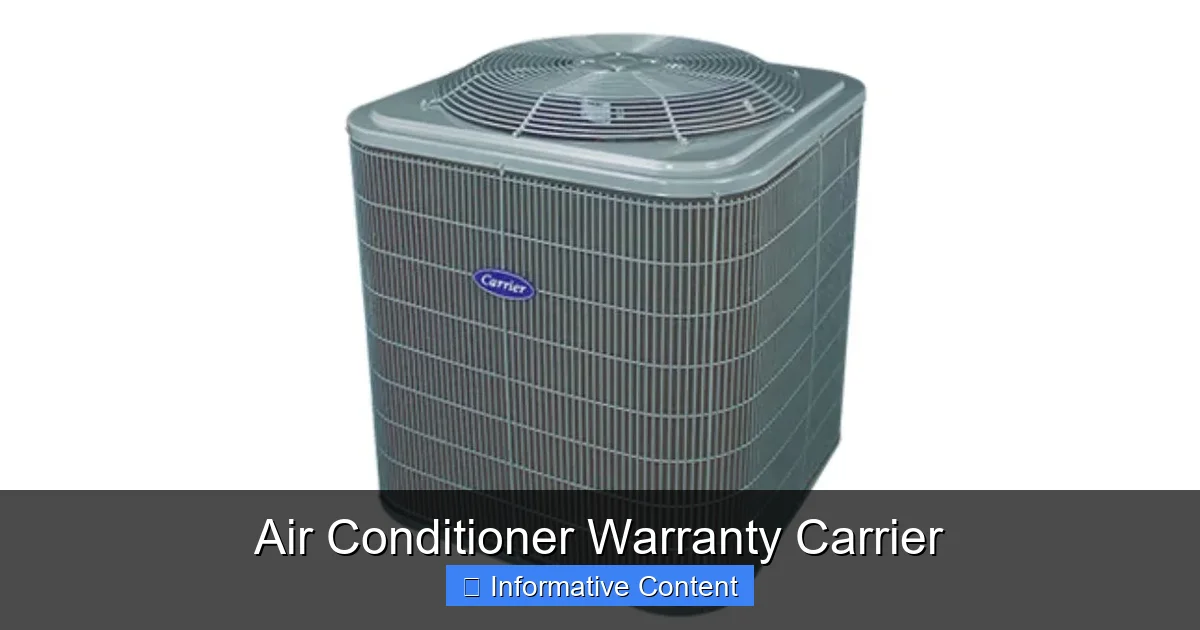
Visual guide about Air Conditioner Warranty Carrier
Image source: libertyhomeguard.com
Not all air conditioner warranties are created equal, and neither are their carriers. Understanding the different types of warranties—and who backs them—helps you make smarter decisions when buying and maintaining your system.
Manufacturer Warranties
These are the most common type of AC warranty. When you buy a new unit from a reputable brand like Carrier, Goodman, or Rheem, it typically comes with a standard manufacturer warranty. This warranty is backed directly by the manufacturer, making them the warranty carrier.
Manufacturer warranties usually cover:
– Parts (like compressors, coils, and motors)
– Defects in materials or workmanship
– A limited time period (often 5–10 years for major components)
For example, Carrier often offers a 10-year limited warranty on compressors and a 5-year warranty on other parts. If something fails within that time due to a manufacturing flaw, Carrier—the warranty carrier—will cover the repair or replacement.
One advantage of manufacturer-backed warranties is consistency. Since the company that built the unit is also backing the warranty, they have a strong incentive to stand behind their product.
Extended Warranties
An extended warranty kicks in after the standard manufacturer warranty expires. These are often sold at the time of purchase or shortly after and can extend coverage for several more years.
Extended warranties can be offered by:
– The manufacturer (e.g., Carrier’s extended protection plan)
– Retailers (e.g., Best Buy’s Geek Squad Protection)
– Third-party insurers (e.g., Cinch Home Services, American Home Shield)
The warranty carrier for an extended plan depends on who sold it. If you buy an extended plan from Carrier, they remain the carrier. But if you go through a third party, that company takes over as the carrier.
Extended warranties often cover more than the original warranty—like labor costs, refrigerant, and even trip charges for technicians. However, they usually come with annual premiums and may require you to use approved service providers.
Home Warranty Plans
Home warranty plans are broader than AC-specific warranties. They cover multiple systems in your home—HVAC, plumbing, electrical, appliances—under one policy.
Companies like American Home Shield, Choice Home Warranty, and First American Home Warranty act as the warranty carrier for these plans. If your AC fails, you file a claim with them, and they dispatch a technician.
These plans are convenient because they bundle coverage, but they often have lower payout limits and may not cover high-end or older units. Also, they typically require you to pay a service fee (e.g., $75–$125) each time a technician visits.
Dealer or Installer Warranties
Some HVAC dealers or installation companies offer their own warranties on top of the manufacturer’s. These might cover labor for a year or two, even if the parts are covered by the manufacturer.
For example, a local HVAC company might say, “We’ll cover all labor for two years, no matter what.” In this case, the dealer is the warranty carrier for labor, while the manufacturer covers parts.
These warranties can be valuable, but they’re only as good as the company offering them. If the dealer goes out of business, the warranty may disappear.
How to Identify Your Air Conditioner Warranty Carrier
Knowing who your warranty carrier is isn’t always obvious—especially if you didn’t buy the unit yourself or if it came with the house. But identifying the carrier is essential for making claims and understanding your coverage.
Check the Product Documentation
The first place to look is the owner’s manual or warranty card that came with your AC unit. These documents usually list:
– The manufacturer
– Warranty terms and duration
– Who to contact for service
– Whether the warranty is transferable
For example, a Lennox AC manual will clearly state that Lennox is the warranty carrier and provide a toll-free number for claims.
If you can’t find the manual, most manufacturers have digital copies on their websites. Just search for your model number and “warranty.”
Look for a Warranty Sticker or Label
Many AC units have a warranty label attached to the outdoor condenser or indoor air handler. This sticker often includes:
– Serial number
– Installation date
– Warranty expiration
– Carrier information
Some labels even have QR codes you can scan to register the unit or check warranty status online.
Contact the Installer or Seller
If you’re still unsure, reach out to the company that installed your AC. They should have records of the warranty and can tell you who the carrier is.
For example, if you bought your unit from a local HVAC contractor, they may have registered it with the manufacturer and can confirm the warranty details.
Use Online Warranty Checkers
Many manufacturers offer online tools to check your warranty status. Just enter your model and serial number, and the system will tell you:
– Warranty start and end dates
– What’s covered
– Who the carrier is
Carrier, for instance, has a “Warranty Lookup” tool on their website. Simply input your unit’s info, and it will show your coverage details.
Ask Your Home Warranty Provider
If you have a home warranty plan, contact the provider (e.g., American Home Shield) and ask if your AC is covered. They can confirm whether they’re the warranty carrier for your system and explain the claims process.
What Does an Air Conditioner Warranty Carrier Typically Cover?
Now that you know how to identify your warranty carrier, let’s talk about what they actually cover. Not all warranties are the same, and understanding the specifics can prevent surprises when you need a repair.
Parts Coverage
Most manufacturer warranties cover defective parts. This includes:
– Compressor
– Condenser and evaporator coils
– Fan motors
– Circuit boards
– Refrigerant lines (in some cases)
For example, if your compressor fails due to a manufacturing defect within the warranty period, the carrier will replace it at no cost. But if it fails because of improper installation or lack of maintenance, the claim may be denied.
Labor Coverage
This is where warranties often differ. Many manufacturer warranties cover parts only—not labor. That means you pay for the technician’s time, even if the part is free.
However, some extended warranties and home warranty plans include labor. For instance, a third-party extended plan might cover both parts and labor for 10 years, while the manufacturer only covers parts for 5.
Always check whether labor is included. If not, a simple repair could still cost $200–$500 in labor fees.
Refrigerant Coverage
Refrigerant leaks are common in older systems, but not all warranties cover refrigerant replacement. Some carriers will only cover the cost of refrigerant if it’s due to a manufacturing defect—not normal wear and tear.
For example, if a coil cracks and leaks refrigerant within the first year, the carrier might cover both the coil and the refrigerant. But if the leak occurs after five years due to corrosion, they likely won’t.
Transferability
Some warranties are transferable to a new homeowner if you sell your house. This can increase your home’s value and make it more attractive to buyers.
Manufacturer warranties like Carrier’s are often transferable, but you may need to notify the carrier and pay a small fee. Third-party warranties vary—some are transferable, others are not.
Exclusions and Limitations
Every warranty has fine print. Common exclusions include:
– Damage from power surges or lightning
– Improper installation
– Lack of maintenance
– Acts of nature (floods, hurricanes)
– Unauthorized repairs or modifications
For example, if you try to fix your AC yourself and damage a component, the warranty carrier can deny your claim—even if the original issue was covered.
How to File a Claim with Your Air Conditioner Warranty Carrier
When your AC breaks down, the last thing you want is a complicated claims process. But knowing how to file a claim correctly can speed up repairs and avoid denials.
Step 1: Confirm the Problem Is Covered
Before calling the carrier, have a licensed technician diagnose the issue. They can tell you whether the problem is likely covered under warranty.
For example, if the technician says the compressor failed due to a manufacturing defect, that’s probably covered. But if they say it’s due to dirty coils or low refrigerant from lack of maintenance, it may not be.
Step 2: Gather Documentation
Most carriers require:
– Proof of purchase (receipt or invoice)
– Installation date
– Maintenance records (e.g., annual service reports)
– Serial and model numbers
Keep these in a folder or digital file. If you’ve had annual maintenance, save the technician’s reports—they’re often required to validate claims.
Step 3: Contact the Warranty Carrier
Call the number listed in your warranty documents or on the manufacturer’s website. Be ready to provide:
– Your name and address
– Unit model and serial number
– Description of the problem
– Technician’s diagnosis (if available)
Some carriers let you file claims online, which can be faster.
Step 4: Schedule Service
The carrier will either send their own technician or approve one of your choice. Make sure the technician is licensed and, if required, approved by the carrier.
For example, some third-party carriers only work with pre-approved contractors. Using someone else could void your claim.
Step 5: Follow Up
After the repair, confirm that the work was completed and that the carrier paid their portion. Keep copies of all invoices and communications.
If the claim is denied, ask for a written explanation. You may be able to appeal if you believe the decision was unfair.
Tips to Maximize Your Air Conditioner Warranty
A warranty is only as good as how you use it. Follow these tips to get the most out of your air conditioner warranty carrier.
Register Your Unit Promptly
Most manufacturers require you to register your AC within 60–90 days of installation. If you don’t, the warranty may be shortened or voided.
For example, Carrier reduces the warranty period by six months if you don’t register on time. Don’t risk it—register as soon as your unit is installed.
Schedule Annual Maintenance
Nearly all warranty carriers require proof of annual maintenance. This usually means a licensed technician inspecting and servicing your system each year.
Maintenance tasks often include:
– Cleaning coils and filters
– Checking refrigerant levels
– Inspecting electrical connections
– Lubricating moving parts
Keep detailed records and receipts. If you skip a year, the carrier can deny future claims.
Use Authorized Technicians
Some carriers require repairs to be done by authorized service providers. Using an unauthorized technician—even if they’re qualified—can void your warranty.
Check your warranty terms before calling a local HVAC company. If in doubt, ask the carrier for a list of approved technicians.
Avoid DIY Repairs
Tinkering with your AC might seem like a money-saver, but it can backfire. Opening the unit, replacing parts, or adding refrigerant without proper training can damage the system and void your warranty.
Leave repairs to the professionals—especially if your unit is under warranty.
Keep Your Unit Clean and Protected
Dirt, debris, and vegetation can damage your outdoor unit and lead to failures. Keep the area around your condenser clear and clean the coils regularly.
Also, consider installing a surge protector to guard against power spikes, which are often excluded from warranties.
Review Your Warranty Annually
Warranty terms can change, and your coverage may expire. Set a calendar reminder to review your warranty each year and consider purchasing an extended plan if needed.
Common Mistakes That Void Your Warranty
Even with the best intentions, it’s easy to accidentally void your warranty. Avoid these common pitfalls.
Skipping Maintenance
This is the #1 reason warranties are denied. If you don’t have proof of annual service, the carrier can claim neglect caused the failure.
Improper Installation
If your AC wasn’t installed by a licensed professional, the warranty may be void from the start. Always use certified HVAC contractors.
Using the Wrong Refrigerant
Mixing refrigerant types or using uncertified products can damage your system and void the warranty. Only use the type specified by the manufacturer.
Modifying the Unit
Adding aftermarket parts, altering wiring, or bypassing safety controls can lead to denial of claims.
Failing to Report Issues Promptly
If you ignore a problem and it causes further damage, the carrier may deny coverage for the additional repairs.
Conclusion
Your air conditioner is a major investment, and the warranty carrier plays a crucial role in protecting it. Whether it’s the manufacturer, a third-party insurer, or a home warranty provider, knowing who your carrier is—and what they cover—can save you hundreds or even thousands of dollars in repair costs.
From understanding the types of warranties to filing claims and avoiding common mistakes, being informed puts you in control. Register your unit, maintain it regularly, and keep good records. And when the unexpected happens, you’ll be ready to work with your warranty carrier to get your AC back up and running—without the stress.
Don’t wait until your AC fails to learn about your warranty. Take action today, and enjoy cool, worry-free summers for years to come.
Frequently Asked Questions
Who is the warranty carrier for my air conditioner?
The warranty carrier is the company that backs your AC’s warranty—usually the manufacturer (like Carrier or Trane) or a third-party insurer. Check your warranty documents or contact the seller to confirm.
Does my air conditioner warranty cover labor?
Most manufacturer warranties cover parts only, not labor. Extended or home warranty plans may include labor, but you’ll need to check the specific terms of your policy.
Can I transfer my air conditioner warranty to a new homeowner?
Many manufacturer warranties are transferable, but you may need to notify the carrier and pay a fee. Third-party warranties vary, so review your contract or contact the provider.
What voids an air conditioner warranty?
Common reasons include lack of maintenance, improper installation, DIY repairs, using unauthorized technicians, or modifying the unit. Always follow the manufacturer’s guidelines.
How do I file a claim with my warranty carrier?
Contact the carrier with your unit’s model and serial number, describe the issue, and provide proof of purchase and maintenance. They’ll guide you through the process and may send a technician.
Is an extended warranty worth it for my air conditioner?
It depends on the age, efficiency, and cost of your unit. Extended warranties can be valuable for high-end systems or if you want coverage beyond the standard period, but compare costs and terms carefully.