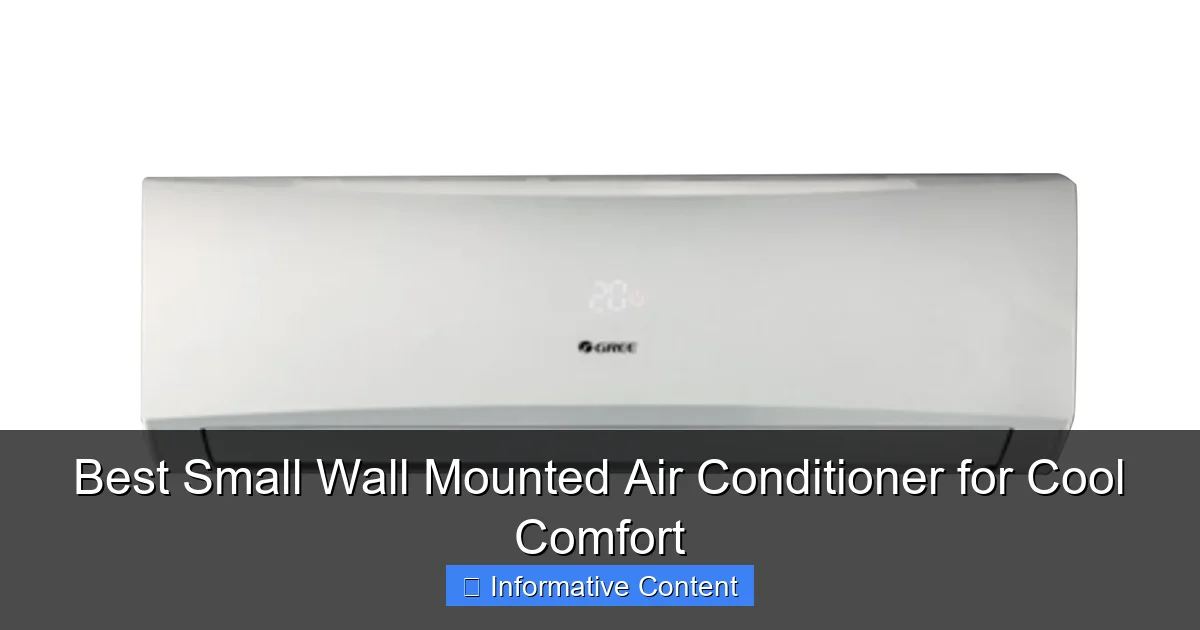
Featured image for air conditioner wall plug
Choosing the right air conditioner wall plug is critical for safety, efficiency, and optimal performance—our top picks highlight heavy-duty, UL-listed models designed to handle high-voltage demands without overheating. Proper installation, including correct amperage matching and secure grounding, ensures reliable operation and prevents electrical hazards for both window and portable units.
Key Takeaways
- Choose the right plug type: Match your AC unit’s voltage and amperage requirements.
- Inspect wiring regularly: Prevent hazards by checking for wear or damage.
- Hire a pro for hardwired units: Ensure safe, code-compliant installation.
- Use GFCI protection: Reduce shock risk in moisture-prone areas.
- Verify outlet compatibility: Avoid adapters; plug should fit securely.
- Follow local codes: Check regulations for permits and installation standards.
📑 Table of Contents
- Air Conditioner Wall Plug Guide Top Picks and Installation Tips
- Understanding Air Conditioner Wall Plug Basics
- Top Picks for Air Conditioner Wall Plugs and Outlets
- How to Choose the Right Wall Plug for Your AC Unit
- Step-by-Step Installation Tips for Air Conditioner Wall Plugs
- Common Mistakes to Avoid with Air Conditioner Wall Plugs
- Final Thoughts and Recommendations
Air Conditioner Wall Plug Guide Top Picks and Installation Tips
So, you’ve finally decided to beat the summer heat with a new air conditioner—congratulations! Whether you’re cooling a cozy bedroom, a bustling home office, or a sun-drenched living room, your AC unit is about to become your best friend. But before you kick back and enjoy that crisp, refreshing breeze, there’s one critical detail you can’t afford to overlook: the air conditioner wall plug.
It might sound simple—just plug it in and go, right? Well, not quite. The type of wall plug your air conditioner uses can make a big difference in safety, efficiency, and even whether your AC runs at all. I learned this the hard way last summer when my brand-new window unit refused to turn on. Turns out, it needed a special 240-volt plug, and my standard 120-volt outlet just wasn’t cutting it. After a few frustrating calls to the manufacturer and a trip to the hardware store, I realized how much I didn’t know about air conditioner electrical requirements. That experience sparked my mission to help others avoid the same headache.
In this guide, I’ll walk you through everything you need to know about air conditioner wall plugs—from understanding the different types and voltage requirements to choosing the right plug for your unit and installing it safely. Whether you’re a DIY enthusiast or just looking to make an informed decision before calling an electrician, this post has you covered. We’ll also share our top picks for reliable wall plugs and outlets designed specifically for air conditioners, so you can shop with confidence.
Understanding Air Conditioner Wall Plug Basics
Before diving into product recommendations or installation tips, it’s important to understand what an air conditioner wall plug actually does—and why it matters. At its core, the wall plug is the connection point between your air conditioner and your home’s electrical system. But not all plugs are created equal, and using the wrong one can lead to poor performance, tripped breakers, or even fire hazards.
What Is an Air Conditioner Wall Plug?
An air conditioner wall plug refers to both the physical plug on the AC unit’s power cord and the corresponding electrical outlet (or receptacle) in your wall. These components work together to deliver the right amount of electrical current to power your air conditioner. Depending on the size and type of your AC unit, it may require a standard 120-volt outlet or a more powerful 240-volt circuit.
For example, most portable and small window air conditioners (under 15,000 BTUs) run on 120 volts and can plug into a standard household outlet. However, larger units—like central air systems or high-capacity window units—often require 240 volts and a dedicated circuit with a special plug type, such as a NEMA 6-20 or NEMA 14-30.
Why the Right Plug Matters
Using the correct wall plug isn’t just about convenience—it’s about safety and efficiency. Air conditioners draw a significant amount of power, especially when starting up. If your outlet can’t handle the load, you might experience:
- Frequent tripping of circuit breakers
- Overheating of the outlet or wiring
- Reduced cooling performance
- Potential fire risk due to electrical overload
Additionally, mismatched plugs can void your AC’s warranty or lead to damage over time. That’s why it’s crucial to match your air conditioner’s electrical requirements with the right wall plug and outlet setup.
Common Air Conditioner Plug Types
Air conditioners typically use one of several standard plug configurations, depending on their voltage and amperage needs. Here are the most common types you’ll encounter:
- NEMA 5-15P: The standard 3-prong plug found on most household devices. Used for 120-volt AC units under 15 amps.
- NEMA 5-20P: Similar to the 5-15P but with a horizontal slot on one side, allowing it to fit into 20-amp outlets. Common for mid-sized window units.
- NEMA 6-15P and 6-20P: Used for 240-volt circuits. The 6-15P handles 15 amps, while the 6-20P supports 20 amps. Often found on larger window or through-the-wall units.
- NEMA 14-30P and 14-50P: Heavy-duty plugs for 240-volt, 30-amp and 50-amp circuits. Typically used for central air conditioners or large commercial units.
Knowing which plug your air conditioner uses is the first step in ensuring a safe and reliable installation. Always check the manufacturer’s label on the unit or the user manual for specific electrical requirements.
Top Picks for Air Conditioner Wall Plugs and Outlets
Now that you understand the basics, let’s talk about the best wall plugs and outlets designed specifically for air conditioners. Whether you’re replacing an old outlet or installing a new one, choosing high-quality, code-compliant components is essential. Below are our top recommendations based on safety, durability, and ease of use.
Best Overall: Leviton 5240-W 20-Amp, 250-Volt Receptacle
If you’re installing a 240-volt outlet for a larger window or through-the-wall air conditioner, the Leviton 5240-W is a standout choice. This NEMA 6-20R receptacle is built to handle up to 20 amps and 250 volts, making it ideal for high-capacity AC units. It features a rugged thermoplastic housing that resists impact and heat, and its back-wire design allows for quick, secure connections.
What we love: It’s UL-listed, easy to install, and compatible with most 240-volt air conditioners. Plus, Leviton is a trusted name in electrical components, so you can trust its reliability.
Best for DIY Installers: Eaton 20-Amp Tamper-Resistant Outlet
For those installing a 120-volt outlet for a portable or small window AC, the Eaton TR20W tamper-resistant outlet is a smart pick. It’s designed to prevent accidental insertion of foreign objects, which is especially important if you have kids or pets. This 20-amp, 125-volt outlet fits standard electrical boxes and works with both 12- and 14-gauge wire.
Why it’s great: It’s affordable, widely available, and meets NEC (National Electrical Code) requirements for safety. Plus, the screw terminals are clearly labeled, making installation straightforward even for beginners.
Best Heavy-Duty Option: Hubbell HBL9360C 30-Amp, 250-Volt Receptacle
If you’re dealing with a central air conditioner or a very large unit, you’ll need something more robust. The Hubbell HBL9360C is a NEMA 14-30R receptacle rated for 30 amps and 250 volts. It’s commonly used for dryers and large HVAC systems, but it’s also perfect for heavy-duty air conditioners.
Key features: Industrial-grade construction, corrosion-resistant contacts, and a locking design that prevents accidental disconnection. This outlet is built to last and handle continuous high loads.
Best Smart Outlet: Kasa Smart Wi-Fi Outlet (HS300)
For tech-savvy homeowners, the Kasa Smart Wi-Fi Outlet (HS300) offers a modern twist on the traditional wall plug. While not a replacement for hardwired 240-volt outlets, this smart plug works with 120-volt air conditioners and allows you to control your AC remotely via an app or voice assistant.
Bonus perk: It includes energy monitoring, so you can track how much power your AC is using. Just make sure your unit doesn’t exceed the 15-amp limit—this plug isn’t designed for high-draw appliances.
Best Budget Pick: Pass & Seymour 15-Amp Duplex Receptacle
If you’re on a tight budget but still want quality, the Pass & Seymour 15-Amp Duplex Receptacle is a reliable, no-frills option. It’s perfect for small window units that plug into standard outlets. While it doesn’t have advanced features, it’s durable, easy to install, and costs under $5 at most hardware stores.
Pro tip: Pair it with a surge protector to safeguard your AC from power spikes during thunderstorms.
How to Choose the Right Wall Plug for Your AC Unit
Choosing the right air conditioner wall plug isn’t just about picking the most expensive or feature-rich option. It’s about matching the plug to your specific AC unit and electrical setup. Here’s a step-by-step guide to help you make the right choice.
Step 1: Check Your Air Conditioner’s Electrical Requirements
The first thing you should do is locate the electrical information on your air conditioner. Look for a label or plate on the unit—usually on the side or back—that lists the voltage, amperage, and plug type. This information is critical.
For example, if your unit says “115V, 12A,” it’s designed for a standard 120-volt outlet. But if it says “230V, 15A,” you’ll need a 240-volt circuit and a compatible plug like a NEMA 6-15P or 6-20P.
Step 2: Assess Your Home’s Electrical System
Next, evaluate your home’s existing electrical infrastructure. Most homes have 120-volt outlets in living areas, but 240-volt circuits are typically reserved for appliances like dryers, ovens, and HVAC systems.
If your AC requires 240 volts and you don’t have a compatible outlet, you’ll need to install one. This usually involves running a new circuit from your electrical panel, which should be done by a licensed electrician for safety and code compliance.
Step 3: Match the Plug Type to the Outlet
Once you know your AC’s requirements, match the plug type to the appropriate outlet. Here’s a quick reference:
| AC Unit Type | Voltage | Amperage | Plug Type | Outlet Type |
|---|---|---|---|---|
| Portable / Small Window (up to 8,000 BTU) | 120V | 10–12A | NEMA 5-15P | NEMA 5-15R |
| Mid-Size Window (10,000–15,000 BTU) | 120V | 13–15A | NEMA 5-20P | NEMA 5-20R |
| Large Window / Through-the-Wall (18,000+ BTU) | 240V | 15–20A | NEMA 6-15P or 6-20P | NEMA 6-15R or 6-20R |
| Central Air Conditioner | 240V | 30–50A | NEMA 14-30P or 14-50P | NEMA 14-30R or 14-50R |
Using this table, you can quickly identify the correct plug and outlet combination for your unit.
Step 4: Consider Future Needs and Upgrades
If you’re planning to upgrade to a more powerful air conditioner in the future, it might be worth installing a higher-capacity outlet now. For example, if you currently have a 120-volt outlet but think you might switch to a 240-volt unit later, consider having an electrician install a 240-volt circuit with a NEMA 6-20R outlet. This saves you the hassle (and cost) of rewiring later.
Also, think about location. Make sure the outlet is within reach of your AC’s power cord and not blocked by furniture or curtains. And always leave some slack in the cord to prevent strain on the plug.
Step-by-Step Installation Tips for Air Conditioner Wall Plugs
Installing a new wall plug for your air conditioner might seem intimidating, but with the right tools and precautions, it’s a manageable DIY project—especially for 120-volt outlets. However, if you’re dealing with 240-volt circuits or running new wiring, it’s best to hire a licensed electrician. Safety should always come first.
Tools and Materials You’ll Need
Before you start, gather the following:
- Screwdrivers (flathead and Phillips)
- Voltage tester
- Wire strippers
- Electrical tape
- New outlet (matched to your AC’s requirements)
- Electrical box (if replacing or adding an outlet)
- Wire nuts (if splicing wires)
Safety First: Turn Off the Power
Before touching any wires, turn off the power at the circuit breaker. Use a voltage tester to confirm that the outlet is dead. Never assume the power is off—always test it.
Replacing an Existing Outlet
If you’re replacing a standard 120-volt outlet with a 20-amp or tamper-resistant model, the process is straightforward:
- Remove the faceplate and unscrew the outlet from the electrical box.
- Carefully pull the outlet out and note how the wires are connected (take a photo for reference).
- Disconnect the wires—typically black (hot), white (neutral), and green or bare (ground).
- Connect the wires to the new outlet: black to brass screw, white to silver screw, ground to green screw.
- Secure the outlet back into the box, attach the faceplate, and turn the power back on.
Installing a New 240-Volt Outlet
Installing a 240-volt outlet is more complex and usually requires running a new circuit from your electrical panel. Here’s a simplified overview:
- Turn off the main power and verify it’s off.
- Run 12/2 or 10/2 NM-B cable (depending on amperage) from the panel to the outlet location.
- Install a double-pole circuit breaker in the panel (e.g., 20-amp for a NEMA 6-20R).
- Connect the black and red wires to the breaker, white to the neutral bus, and ground to the ground bus.
- At the outlet, connect black and red to the brass terminals, white to silver, and ground to green.
- Secure the outlet and test the circuit.
Again, if you’re not confident working with your electrical panel, hire a professional. Mistakes can be dangerous and costly.
Testing and Final Checks
Once the outlet is installed, plug in your air conditioner and test it. Listen for unusual sounds, check for overheating, and ensure the circuit breaker doesn’t trip. If everything works smoothly, you’re all set!
Common Mistakes to Avoid with Air Conditioner Wall Plugs
Even with the best intentions, it’s easy to make mistakes when dealing with air conditioner electrical setups. Here are some common pitfalls and how to avoid them.
Using an Extension Cord
Never plug your air conditioner into an extension cord—even a heavy-duty one. AC units draw too much power, and extension cords can overheat, melt, or cause a fire. If your outlet is too far away, have a new one installed closer to the unit.
Overloading a Circuit
Plugging your AC into a circuit that’s already powering other high-draw devices (like a microwave or space heater) can cause the breaker to trip. Air conditioners should ideally be on a dedicated circuit to ensure stable power delivery.
Ignoring Local Electrical Codes
Electrical work must comply with local building codes. What’s allowed in one state might not be in another. Always check with your local municipality or hire a licensed electrician to ensure your installation is up to code.
Choosing the Wrong Wire Gauge
Using undersized wires (like 14-gauge for a 20-amp circuit) can lead to overheating and fire hazards. Match the wire gauge to the amperage: 14-gauge for 15 amps, 12-gauge for 20 amps, and 10-gauge for 30 amps.
Final Thoughts and Recommendations
Choosing and installing the right air conditioner wall plug might not be the most exciting part of buying a new AC, but it’s one of the most important. A proper electrical connection ensures your unit runs safely, efficiently, and reliably—all summer long.
To recap: always check your AC’s voltage and amperage requirements, match them to the correct plug and outlet type, and never skip safety precautions. Whether you’re using a standard 120-volt outlet or installing a heavy-duty 240-volt circuit, quality components and proper installation make all the difference.
Our top picks—like the Leviton 5240-W for 240-volt setups or the Eaton tamper-resistant outlet for 120-volt units—offer reliability and peace of mind. And if you’re unsure about any part of the process, don’t hesitate to consult a professional electrician. It’s always better to be safe than sorry when it comes to electricity.
With the right wall plug and a little know-how, you’ll be enjoying cool, comfortable air in no time. Stay cool, stay safe, and happy cooling!
Frequently Asked Questions
What is the correct air conditioner wall plug type for my unit?
The correct air conditioner wall plug depends on your AC’s power requirements (typically 110V or 220V). Most portable and window units use a standard NEMA 5-15P plug, while heavy-duty models may require a NEMA 6-20P or 6-30P plug. Always check your unit’s manual for specifications.
Can I use an extension cord with an air conditioner wall plug?
No, you should never use an extension cord with an air conditioner wall plug, as it can overheat and pose a fire risk. Always plug your AC directly into a dedicated outlet that matches its voltage and amperage requirements.
How do I install a new air conditioner wall plug outlet?
For a 220V air conditioner wall plug, hire a licensed electrician to wire a NEMA 6-20R or 6-30R outlet to a dedicated circuit. Never attempt DIY electrical work unless you’re certified, as improper installation can damage your AC or cause safety hazards.
Why does my air conditioner keep tripping the breaker?
This often occurs when the air conditioner wall plug shares a circuit with other appliances, causing overloads. Ensure your AC is on a dedicated circuit with the correct amperage (usually 15-30A for larger units).
Are smart air conditioner wall plugs worth it?
Smart plugs let you control your AC remotely and monitor energy usage, but verify compatibility first. Only use smart air conditioner wall plugs rated for your unit’s wattage (look for 15A+ and HVAC compatibility).
How far should my air conditioner be from the wall plug?
Keep your AC within 3-6 feet of the wall plug to avoid voltage drop and ensure safe operation. If the cord doesn’t reach, have an electrician install a closer outlet rather than using unsafe workarounds.