
Hitting the open road in your RV offers unparalleled freedom, especially when you venture off-grid. But let’s be honest, staying cool in warm weather can be a real challenge! Many adventurers dream of off-grid living, and for some, finding a dedicated propane powered air conditioner RV unit seems like the ultimate solution for true independence.
Here’s the scoop: while propane is fantastic for RV fridges, furnaces, and cooking, true propane-powered air conditioners for effective cooling are quite rare in the RV market compared to their electric counterparts. Why? Absorption cooling, which uses heat (like from propane) to create cold, is generally less efficient for the high cooling demands of an entire RV.
But don’t fret! The good news is there are fantastic alternatives that seamlessly fit into your propane-equipped RV lifestyle. These are modern, highly efficient electric air conditioners – often 12V DC or low-amp AC units – designed to minimize power draw. This means you can keep cool without constantly running a generator (which itself might be propane-powered!), relying heavily on shore power, or draining your battery bank too quickly when paired with solar.
We’ve scoured the market to bring you 7 top RV air conditioner units that are perfect for those who prioritize energy efficiency, quiet operation, and reliable cooling, making them ideal companions for any propane-ready RV adventure. Get ready to embrace comfortable boondocking!
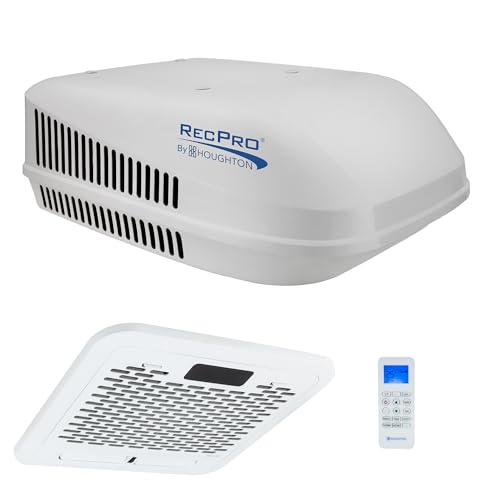
1. RecPro RV Air Conditioner 15K Ducted or Non-Ducted

This RecPro 15K BTU unit is a powerhouse designed for versatility, making it a fantastic choice for RVers looking for robust cooling without breaking the bank on energy. Its adaptable design means it plays nice with both ducted and non-ducted systems, ensuring a snug fit and efficient airflow no matter your RV setup. What truly sets it apart is its low amp draw, which is a lifesaver for off-grid scenarios or when you’re juggling multiple appliances on limited power.
-
Key Features:
- Low Amp Draw for Energy Efficiency
- Durable, UV-resistant, aerodynamic construction
- Whisper-Quiet 55.4 dB Operation
- Remote and LED Touch Controls with multiple modes (cool, dry, fan, sleep, timer)
- 15K BTU AC with Built-In Heat Pump for four-season comfort
- Compatible with both Ducted and Non-Ducted RV systems
-
Pros:
- Excellent energy efficiency helps conserve battery/generator power.
- Extremely quiet operation for restful nights.
- Dual-functionality with a built-in heat pump adds value.
- Flexible installation for various RV setups.
- Intuitive controls with both remote and touch options.
-
Cons:
- Still an AC unit, so requires significant power compared to passive cooling.
- May require professional installation for those less mechanically inclined.
-
User Impressions: Customers frequently praise this unit for its impressive cooling power and remarkably quiet operation, often noting how much smoother and less intrusive it is than their previous RV ACs. The low power consumption is a huge hit with boondockers and those with solar setups.
2. RecPro RV Air Conditioner 15K | Quiet AC | 110-120V

Another strong contender from RecPro, this 15K BTU air conditioner is engineered with the same commitment to quiet efficiency and rugged durability. It shares many great features with its ducted/non-ducted sibling, specifically excelling in energy-saving performance and whisper-quiet operation. This unit is an ideal pick if you’re looking for a reliable, strong cooler that won’t overwhelm your electrical system or your peace and quiet, making it perfect for long stays in your propane-equipped RV.
-
Key Features:
- Energy-Efficient Low Amp Draw to prevent system overload
- Rugged, UV-resistant plastic design for road durability
- Ultra-Quiet Operation at just 55.4 dB
- Multi-Function Remote and LED Touch Display
- Built-In Heat Pump for year-round comfort
- Ducted and Non-Ducted Compatibility
-
Pros:
- Exceptional quietness enhances the RV living experience.
- Low amp draw is beneficial for off-grid and generator use.
- Robust construction designed for the rigors of travel.
- Heat pump functionality provides heating capability.
- User-friendly controls make climate management simple.
-
Cons:
- Requires a 110-120V AC power source (generator, shore power, or inverter).
- Installation might be daunting for DIY novices.
-
User Impressions: Reviewers consistently highlight the quietness and effectiveness of this RecPro unit. Many express satisfaction with its ability to cool larger RVs quickly and maintain comfortable temperatures, even in hot climates. The added heat pump feature is often cited as a valuable bonus.
3. 12V RV Air Conditioner with Heat Pump, 11,500 BTU Rooftop

Now, for those serious about off-grid living and managing battery power, this 12V RV Air Conditioner is a game-changer. Delivering 11,500 BTUs directly from your 12V battery system means no inverter is needed, drastically improving efficiency and simplifying your power setup. This direct DC power capability makes it an absolute hero for solar-powered RVs or boondocking enthusiasts who rely heavily on their battery banks alongside their propane utilities.
-
Key Features:
- High-Efficiency 11,500 BTU Cooling Performance
- 12V DC Direct Power – No Inverter Needed
- Ultra-Quiet Operation as low as 45dB
- Slim, Low-Profile Design (only 7.1 inches high) with durable ABS housing
- Easy Installation & Wide Compatibility for standard 14.1″x14.1″ openings
- Integrated Heat Pump for heating
-
Pros:
- Direct 12V operation significantly reduces power loss and complexity.
- Extremely quiet, ensuring undisturbed sleep or relaxation.
- Low-profile design minimizes wind drag and fits under RV covers.
- Integrated heat pump adds versatility.
- Ideal for solar and pure battery setups.
-
Cons:
- 11,500 BTU might be less powerful than 15K units for very large RVs.
- Requires a robust 12V battery bank to run effectively for extended periods.
-
User Impressions: Users are thrilled with the direct 12V operation and the elimination of an inverter, calling it a true off-grid solution. The quietness and cooling performance for a 12V unit receive high praise, especially from van lifers and those with significant solar arrays.
4. Aspligo 12v rv rooftop dc air conditioner 8000BTU 12 volt

The Aspligo 12V RV Rooftop DC Air Conditioner is another excellent option for those prioritizing battery power and space efficiency. With 8000 BTUs of cooling, it’s particularly well-suited for smaller RVs, camper vans, or trucks where direct 12V power is paramount. Its all-in-one design and low noise level mean you get quick cooling without the hassle of complex installation or disruptive hum, perfectly complementing a quiet propane-equipped RV environment.
-
Key Features:
- 8000 BTU Fast Cooling Capacity (2300W cooling, 1000W heating)
- Direct 12V DC operation
- Remote Control with clear LED display
- Easy All-in-One Installation
- Low Noise 50dB internal unit
- Wide compatibility for various vehicles (trucks, RVs, agricultural vehicles)
-
Pros:
- Runs directly on 12V, ideal for battery and solar power.
- Simple, all-in-one installation saves time and effort.
- Quiet operation suitable for sleeping or working.
- Compact size makes it versatile for different vehicle types.
- Remote control adds convenience.
-
Cons:
- 8000 BTUs may not be sufficient for larger RVs in extreme heat.
- Power consumption (30-62A) requires careful battery management.
-
User Impressions: Many users appreciate the straightforward installation and the convenience of direct 12V power. Truck drivers and smaller RV owners frequently commend its ability to provide effective cooling without needing a generator or inverter, allowing for comfortable rest breaks.
5. RV Air Conditioner with Heat 12V Universal Rooftop AC

This 12V Universal Rooftop AC unit stands out for its blend of economic comfort and rapid temperature regulation. Designed for continuous use, whether you’re driving or parked with the engine off, it’s a brilliant solution for maintaining a comfortable climate without the constant worry of fuel costs or battery drain. Its innovative frequency-adjusting technology helps keep noise levels below 50 dBs, ensuring your RV remains a tranquil retreat on the go. This unit is a great fit for anyone wanting sustainable comfort in their propane-equipped RV.
-
Key Features:
- Economic 12V DC cooling/heating, powered by vehicle battery/external power
- Quick Cooling/Heating in as little as 9 minutes
- Tranquil operation with less than 50 dBs noise level
- Durable, high-quality ABS material for impact and corrosion resistance
- Easy Installation with full accessories and detailed instructions
- Versatile application for trucks, RVs, and various climates
-
Pros:
- Cost-effective operation with potential fuel savings.
- Rapid cooling and heating for immediate comfort.
- Extremely quiet performance for peaceful environments.
- Robust construction designed for longevity on the road.
- Simple installation process.
-
Cons:
- BTU rating not explicitly stated, making direct comparisons difficult.
- “External power” is broad, requiring careful planning for off-grid.
-
User Impressions: Customers love the quick temperature changes and the noticeable reduction in noise compared to other units. The 12V direct power draw is a huge plus for those seeking to maximize battery life and minimize generator use. Many find it an excellent investment for prolonged comfort.
6. FOGATTI InstaCool 13500BTU RV Air Conditioner – Quiet
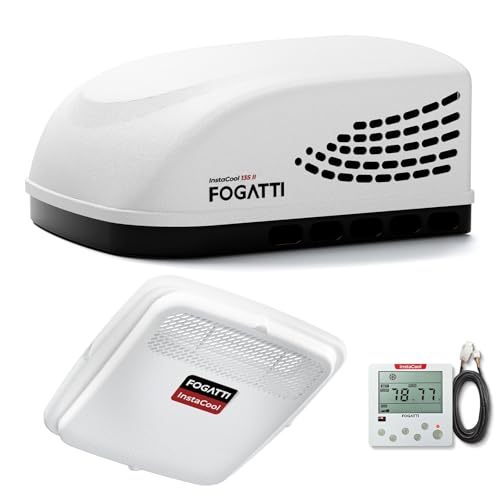
The FOGATTI InstaCool offers a powerful 13,500 BTU cooling capacity with dual high-efficiency compressors, ensuring your RV chills down quickly. While it requires connection to both 115V AC and 12V DC power, its smart energy savings and advanced fan system mean you get robust cooling without excessive power consumption. This unit is built tough with a rugged HIPS shell, designed to withstand the rigors of RV travel and maintain optimal climate control in your propane-ready RV.
-
Key Features:
- Rapid 13,500 BTU Cooling with dual high-efficiency compressors
- Smart Energy Savings through advanced fan system and intelligent temperature regulation
- Tough HIPS shell for impact, UV, and extreme travel condition resistance
- Quick Installation (fits standard 14.25 x 14.25″ vents)
- Stable Operation on 115V (AC) power, supporting generators or campground hookups
- Uses eco-friendly R32 refrigerant
-
Pros:
- Very effective and fast cooling for larger spaces.
- Durable construction ensures long-term reliability.
- Energy-efficient operation minimizes power usage when running.
- Relatively easy to install for a professional.
- Quiet performance, though specific dB is not listed.
-
Cons:
- Requires both 115V AC and 12V DC connections.
- Professional installation is recommended, which adds cost.
- Still an AC-powered unit, so off-grid use relies on an inverter or generator.
-
User Impressions: Users report excellent cooling performance, noting how quickly the unit can drop the temperature inside their RVs. The sturdy build quality and efficient operation are frequently highlighted, making it a reliable choice for full-time RVers.
7. Furrion Chill Cube 18k BTU Variable Speed RV Rooftop Air

If maximum cooling power and efficiency are what you’re after, the Furrion Chill Cube 18K BTU Variable Speed RV Rooftop Air Conditioner is a premium choice. Its variable speed compressors move cool air faster and more efficiently, translating to more cooling with less power drain. This unit is not only powerful but also remarkably quiet due to the continuous running variable speed compressors, eliminating noisy starts and stops. For those with larger propane-equipped RVs looking for top-tier cooling, this unit delivers.
-
Key Features:
- Easy Bolt-on Installation (ADB sold separately)
- Superior 18K BTU Cooling Performance with variable speed compressors
- High Capacity & Efficiency for extended battery runtime
- Quiet Operation due to continuous variable speed compressors
- Compact and Aerodynamic Design (72.4 lbs, about 10% lighter)
- Reduces drag and improves gas mileage
-
Pros:
- Exceptional cooling power for even the largest RVs.
- Highly energy-efficient, extending battery life on 115V.
- Extremely quiet operation, ideal for peaceful environments.
- Lightweight and aerodynamic, improving RV performance.
- Constant running eliminates loud startup surges.
-
Cons:
- ADB (Air Distribution Box) is sold separately.
- Premium price point.
- Still requires 115V AC power, meaning an inverter or generator for off-grid.
-
User Impressions: RVers rave about the cooling capability of the Furrion Chill Cube, often stating it’s the best AC they’ve ever had. The quietness is a standout feature, and the efficiency is highly valued by those monitoring their power consumption, especially when running on an inverter from a large battery bank.
FAQ Section
Q1: Are these truly propane powered air conditioner RV units?
A1: No, the units reviewed in this article are highly efficient electric air conditioners (either 12V DC or 110-120V AC). While many RVers search for a “propane powered air conditioner RV” for off-grid living, dedicated propane-powered air conditioners (for cooling, not just refrigeration) are quite rare for RVs due to their lower cooling efficiency compared to electric units. These reviewed electric units are chosen for their energy efficiency and suitability for RVs that are often “propane-equipped” for other utilities, allowing for comfortable cooling with minimal power drain.
Q2: How do 12V RV ACs work with a propane setup?
A2: 12V RV ACs are designed to run directly off your RV’s 12V battery bank. In a propane-centric setup, you might use propane for heating, cooking, or even powering a generator. A 12V AC complements this by drawing power from your battery, which can be recharged by solar panels, your RV’s engine alternator, or a generator (which could be propane-powered). This allows you to conserve your propane for other uses while keeping cool efficiently.
Q3: What’s the main difference between 12V DC and 115V AC RV air conditioners?
A3: The primary difference is their power source. 12V DC units run directly off your RV’s battery bank, making them highly efficient for off-grid and solar setups as they don’t require an inverter (which converts DC battery power to AC, losing some efficiency in the process). 115V AC units require shore power, a generator, or a robust inverter connected to your batteries. AC units generally offer higher cooling capacities, but DC units are superior for pure battery operation and energy efficiency.
Q4: Can I run these ACs on solar power?
A4: Yes, many of these energy-efficient RV air conditioners, especially the 12V DC models, are excellent candidates for solar power setups. The amount of solar panels and battery bank capacity you need will depend on the AC unit’s power draw, how long you want to run it, and the amount of sunlight you receive. Low amp draw ACs are always preferred when running primarily on solar.
Q5: How much power do RV air conditioners typically draw?
A5: Power draw varies significantly. A 12V DC unit might draw anywhere from 30-80 amps per hour, while a 115V AC unit (like a 15,000 BTU model) can draw 12-15 amps on startup (LRA or Locked Rotor Amps) and 8-10 running amps (RLA or Running Load Amps) at 115V. This translates to hundreds of watts, so choosing an energy-efficient model is crucial for off-grid adventures.
Q6: What size AC (BTU) do I need for my RV?
A6: The ideal BTU (British Thermal Unit) depends on your RV’s size, insulation, and the climate you’ll be in.
* Small RVs (under 20 ft): 8,000 – 11,500 BTU
* Medium RVs (20-30 ft): 13,500 – 15,000 BTU
* Large RVs (over 30 ft) or in very hot climates: 15,000 – 18,000 BTU (or even dual units)
Better insulation and shade can reduce your BTU requirements.
Q7: How do I install an RV rooftop air conditioner?
A7: Most RV rooftop AC units fit standard 14″x14″ roof openings. Installation typically involves preparing the opening, running electrical connections (12V DC and/or 115V AC), mounting the exterior unit, and installing the interior air distribution box. While some units boast easy DIY installation, for safety and proper sealing (to prevent leaks), professional installation is often recommended, especially if you’re not experienced with RV electrical systems or roof work.