
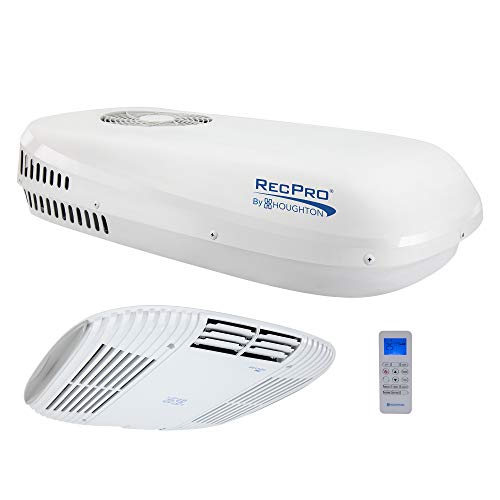
Hey there, fellow adventurers! If you’re anything like us, hitting the open road in your RV is all about freedom, exploration, and making memories. But let’s be real, sometimes that freedom comes with a trade-off: comfort, especially when it comes to staying cool. Traditional RV air conditioners can be real power hogs, often making off-grid camping or running multiple appliances a frustrating balancing act. That’s where a low wattage RV air conditioner swoops in to save the day!
These clever units are designed to keep you comfortable without draining your battery bank or maxing out your generator. Whether you’re chasing the sun, boondocking in the wilderness, or simply trying to be more energy-efficient, investing in an energy-saving AC can seriously upgrade your RV experience. We’ve dug deep to find some of the best options out there that won’t leave you sweating about your power consumption.
Ready to beat the heat without breaking your power budget? Let’s dive into our top picks for low wattage RV air conditioner units!
Why Go Low Wattage for Your RV AC?
Choosing an air conditioner specifically designed for lower power consumption isn’t just a nice-to-have; for many RVers, it’s a game-changer. Here’s why these energy-efficient models are becoming a must-have:
- Off-Grid Freedom: This is perhaps the biggest draw! A low amp draw means you can comfortably run your AC on your RV’s battery system, especially when paired with a good solar power setup, without relying on shore power or a noisy generator.
- Generator Friendly: If you do use a generator, a low wattage unit allows you to use a smaller, quieter model and still have juice left for other appliances. It also reduces fuel consumption.
- Avoid Tripped Breakers: Ever try to run your AC, microwave, and coffee maker at the same time and bam? Lower wattage units significantly reduce the risk of tripping circuit breakers at campgrounds with limited amperage.
- Extended Battery Life: Less power draw equals longer battery life, letting you enjoy cooler temperatures for longer periods between charges.
- Eco-Conscious: If you’re mindful of your carbon footprint, choosing an energy-efficient appliance aligns perfectly with sustainable travel.
In short, a low wattage RV air conditioner gives you more flexibility, more comfort, and less hassle on your adventures.
How We Chose the Best Low Wattage RV Air Conditioners
Picking the right low wattage RV air conditioner can feel a bit like a puzzle. To bring you this curated list, we focused on several key factors that truly matter to RV owners:
- Amp Draw & Energy Efficiency: This was our top priority, ensuring the units genuinely offer reduced power consumption.
- BTU Output: We looked for a good balance between cooling power and energy demands to ensure effective cooling for various RV sizes.
- Noise Level: Nobody wants a jet engine on their roof! Quiet operation was a significant consideration.
- Features: We assessed extras like heat pumps, remote controls, smart app connectivity, and soft start technology.
- Durability & Design: RV components need to be tough. We considered build quality and low-profile designs that reduce drag.
- User Feedback: Real-world experiences from fellow RVers always provide invaluable insights.
Now, let’s get to the good stuff – the reviews!
1. RecPro RV Air Conditioner Low Profile 9.5K Non-Ducted
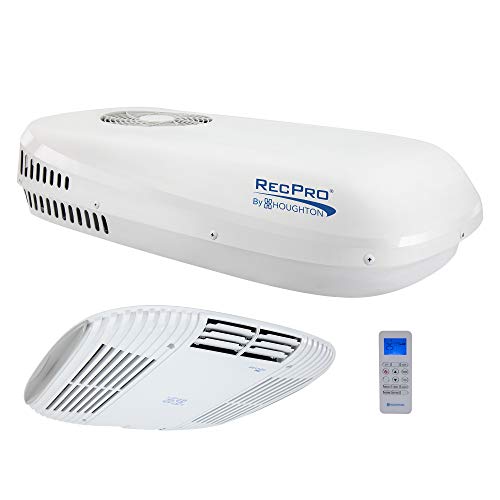
This RecPro unit is a fantastic choice for RVers looking for reliable cooling without a huge power footprint. What truly makes it stand out is its commitment to energy efficiency, boasting a genuinely low amp draw that makes it ideal for off-grid setups, solar power users, or anyone wanting to run multiple appliances without a fuss. Plus, its whisper-quiet operation means you can actually relax inside your RV without the constant hum of a traditional AC.
-
Key Features:
- Energy-Efficient Low Amp Draw: Power multiple RV appliances without overload.
- Rugged, Durable Design: UV-resistant plastic, aerodynamic profile.
- Ultra-Quiet Operation: Just 54.7 dB, comparable to gentle rain.
- Multi-Function Remote + LED Touch Display: Easy control over cool, dry, fan, sleep, timer modes.
- Built-In Heat Pump: Provides supplemental warmth for 4-season comfort.
-
Pros:
- Excellent for off-grid and solar setups due to low amp draw.
- Very quiet operation enhances indoor comfort.
- Durable construction built for the rigors of travel.
- Includes heat pump for year-round climate control.
- Easy-to-use remote and touch display.
-
Cons:
- 9.5K BTU might be less powerful for very large RVs in extreme heat.
- Non-ducted design might mean less even air distribution in some layouts.
-
User Impressions: Customers frequently praise this RecPro model for its surprisingly quiet performance and its ability to keep their RVs cool without guzzling power. Many boondockers have found it a perfect match for their solar setups, appreciating the extra freedom it provides. The built-in heat pump is often highlighted as a bonus for extending their camping season.
-
Call to Action: See it on Amazon here
2. RV Air Conditioner, 12V 10000 BTU Rooftop Air Conditioner

Designed specifically for the mobile lifestyle, this 12V RV air conditioner is a game-changer for anyone seeking true independence from shore power. Its ability to run directly on your 12V system means you can cool down your rig quickly and efficiently, making it perfect for spontaneous stops or remote locations where conventional power sources are a no-go. The quick 15-minute cooling claim is a significant highlight, promising rapid comfort when you need it most.
-
Key Features:
- Efficient 10,000 BTU Cooling: Cools your RV in just 15 minutes.
- 4,500 BTU PTC Heater: Provides supplementary warmth (not primary heat for extreme cold).
- Durable & Weather-Resistant: UV-stabilized ABS, EPDM gasket, zinc-coated condenser.
- Quiet Operation: Brushless copper motor fans, spring-supported mounts.
- Smart Control & Easy Operation: Remote control, temperature monitoring, eco, sleep, turbo modes.
-
Pros:
- Direct 12V operation, ideal for off-grid and battery setups.
- Rapid cooling performance.
- Robust construction designed for harsh outdoor conditions.
- Multiple smart modes for personalized comfort and energy saving.
- Quiet operation due to advanced motor and mounting.
-
Cons:
- Heater is supplementary, not for primary heat in very cold climates.
- Might require careful attention to battery bank capacity for extended use.
-
User Impressions: RVers love the freedom this 12V unit offers, especially those with robust battery and solar systems. They often comment on how quickly it brings down the temperature in their rigs and appreciate the quiet hum, which allows for peaceful nights. The durable build quality also gets frequent mentions, assuring users of its longevity on the road.
-
Call to Action: See it on Amazon here
3. RecPro RV Air Conditioner 13.5K BTU | Low Profile

Stepping up the cooling power while maintaining RecPro’s signature energy efficiency, this 13.5K BTU unit is perfect for larger RVs or those facing scorching temperatures. What really sets it apart from many competitors is its incredibly low noise level—at just 47 dB, it’s one of the quietest rooftop units you’ll find, ensuring your relaxation isn’t interrupted by a noisy compressor. It’s a solid upgrade for anyone who values both powerful cooling and serene quietness.
-
Key Features:
- Energy-Efficient Low Amp Draw: Power multiple appliances without overload, ideal for off-grid.
- Rugged, Durable Design: UV-resistant plastic, sleek aerodynamic profile.
- Ultra-Quiet Operation: Just 47 dB, making it exceptionally quiet.
- Multi-Function Remote + LED Touch Display: Control cool, dry, fan, sleep, timer modes easily.
- Built-In Heat Pump: Provides supplemental warmth for 4-season comfort.
-
Pros:
- Higher BTU output for more effective cooling in larger spaces or hotter climates.
- Remarkably quiet operation (47 dB) for a peaceful RV interior.
- Excellent energy efficiency for off-grid and solar applications.
- Durable, low-profile design reduces drag and withstands travel.
- Integrated heat pump adds versatility for year-round use.
-
Cons:
- Higher initial cost compared to lower BTU models.
- Still a non-ducted system, which might not suit all RV ventilation preferences.
-
User Impressions: Reviewers consistently rave about the quietness of this 13.5K BTU RecPro AC, often stating they barely notice it running. The powerful cooling capabilities are frequently highlighted, with many finding it more than adequate for their larger RVs even on hot days. The low amp draw is a common point of praise, particularly among those who rely on solar or generators.
-
Call to Action: See it on Amazon here
4. TURBRO Inverter 13.5K BTU RV Air Conditioner with Cooling
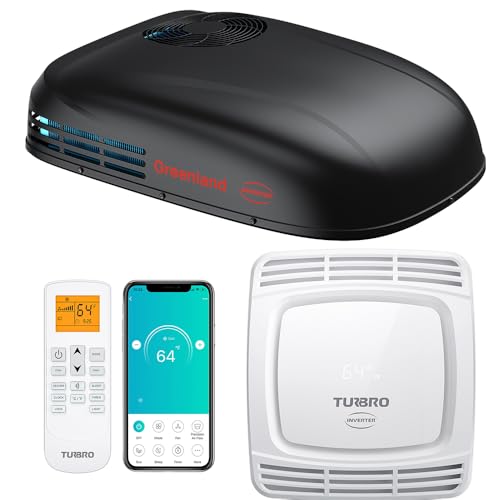
The TURBRO Inverter AC is a modern marvel for RV climate control, distinguishing itself with its inverter compressor technology. This isn’t just about cooling; it’s about smart, adaptive, and highly efficient temperature management. The inverter system delivers up to 30% greater efficiency and ensures a smooth, quiet start without the need for an additional soft starter, making it a dream for both your ears and your power system. Its slim profile is also a significant aesthetic and aerodynamic bonus.
-
Key Features:
- Energy-Saving Inverter Compressor: Up to 30% greater efficiency, smooth start, minimal noise.
- Year-round Comfort: 13,500 BTU cooling/heating, fan, dry modes. Heat pump is very efficient.
- Slim Rooftop Unit: 10.0″ thickness (35% thinner than competitors) reduces air resistance.
- Enhanced User Experience: Ceiling assembly with atmosphere lamp (blue, yellow, white), remote/app control.
- Universal Compatibility: Fits standard 14.25″x14.25″ openings, modular ducting.
-
Pros:
- Superior energy efficiency and quieter operation thanks to inverter technology.
- Eliminates the need for a separate soft starter.
- Versatile cooling and heating for 4-season use.
- Ultra-slim design reduces wind drag and looks sleek.
- Smart controls and atmospheric lighting enhance the user experience.
-
Cons:
- Inverter technology might come with a higher price point.
- Requires a smart app for some advanced features, which some users might prefer to avoid.
-
User Impressions: Many users are incredibly impressed with the smooth and quiet operation of the TURBRO inverter unit, often noting the significant reduction in start-up jolt and continuous running noise. The energy efficiency is a major plus for those with battery setups, and the slim design is frequently praised for its aesthetic appeal and reduced aerodynamic impact. The added mood lighting is a fun, unexpected bonus for many.
-
Call to Action: See it on Amazon here
5. 12V RV Air Conditioner with Heat Pump, 11,500 BTU Rooftop

This 12V RV Air Conditioner truly shines for the dedicated off-gridders and those who value absolute quietness. Engineered to run directly off your 12V battery system without an inverter, it simplifies your power setup while providing a robust 11,500 BTU of cooling. But the real showstopper here is its astonishingly low noise level of just 45dB, making it one of the quietest options on the market for an undisturbed, peaceful RV environment.
-
Key Features:
- High-Efficiency 11,500 BTU Cooling: Powerful cooling for RVs, vans, trailers, campers.
- 12V DC Direct Power: No inverter needed, runs directly on battery system, perfect for solar.
- Ultra Quiet Operation: As low as 45dB sound level inside the cabin.
- Slim, Low-Profile Design: Only 7.1 inches high, reduces wind drag, durable ABS housing.
- Easy Installation & Wide Compatibility: Fits standard 14.1″x14.1″ rooftop openings.
-
Pros:
- Exceptional quietness (45dB) for maximum comfort and sleep.
- Direct 12V operation simplifies wiring and reduces power loss from inversion.
- Powerful cooling capacity for its wattage.
- Very low-profile design minimizes wind resistance and fits under RV covers.
- Durable, UV-resistant housing ensures longevity.
-
Cons:
- Requires a robust 12V battery bank to run effectively for extended periods.
- Heat pump functionality may be less powerful than dedicated heating systems.
-
User Impressions: Users frequently highlight the impressive quietness of this 12V unit, often stating they can barely hear it running, which significantly improves their ability to sleep and relax. The direct 12V operation is a major selling point for off-grid enthusiasts who appreciate not needing an inverter. Many also comment on its sleek, low-profile appearance and robust build quality.
-
Call to Action: See it on Amazon here
6. RecPro RV Air Conditioner 15K Ducted or Non-Ducted

For RVers who need maximum cooling power coupled with energy efficiency, this 15K BTU RecPro unit is a prime contender. Its versatility, offering both ducted and non-ducted installation options, makes it adaptable to a wide range of RV setups. Even with its higher BTU output, it maintains a commendably low amp draw, proving that you don’t have to sacrifice powerful cooling for energy savings. The built-in heat pump further solidifies its position as a year-round climate solution.
-
Key Features:
- Low Amp Draw for Energy Efficiency: Run multiple appliances without overload, perfect for off-grid.
- Durable, Road-Ready Construction: UV-resistant plastic, aerodynamic shape.
- Whisper-Quiet 55.4 dB Operation: Peaceful sleep, work, or relaxation.
- Remote and LED Touch Controls: Adjust cool, dry, fan, sleep, and timer modes.
- 15K BTU AC with Built-In Heat Pump: Fast cooling and supplemental heating for 4-season comfort.
-
Pros:
- High 15K BTU cooling capacity suitable for larger RVs or extreme heat.
- Flexible installation (ducted or non-ducted) for various RV configurations.
- Maintains a low amp draw despite high BTU, promoting energy efficiency.
- Quiet operation for its power output.
- Includes a heat pump for versatile year-round use.
-
Cons:
- Higher BTU can still demand more from a battery system compared to lower BTU units.
- 55.4 dB, while quiet for its class, is slightly higher than some other RecPro models.
-
User Impressions: Customers are generally very satisfied with the robust cooling power of this 15K BTU RecPro model, reporting that it quickly cools down their RVs, even larger ones. The dual ducted/non-ducted option is a big plus for many, allowing for easier integration. Its energy efficiency is frequently lauded, especially considering its high BTU rating, making it a popular choice for those wanting power without excessive draw.
-
Call to Action: See it on Amazon here
7. TURBRO Inverter 13.5K BTU RV Air Conditioner with Cooling

The TURBRO Inverter 13.5K BTU RV Air Conditioner makes another appearance on our list, solidifying its place as an excellent choice for modern RVers. Its standout feature remains the energy-saving inverter compressor, which not only drastically cuts down on power consumption (up to 30% more efficient!) but also ensures a whisper-quiet operation and eliminates the need for an external soft starter. This unit offers both powerful cooling and heating in a remarkably slim and aesthetically pleasing package, making it a top-tier option for a smooth, efficient RV climate control experience.
-
Key Features:
- Energy-Saving Inverter Compressor: Delivers up to 30% greater efficiency, minimal noise, smooth start.
- Year-round Comfort: 13,500 BTU cooling and heating, fan, dry modes. Effective heat pump.
- Slim Rooftop Unit: 10.0″ thick profile, reduces air resistance for better fuel efficiency.
- Enhanced User Experience: Ceiling assembly with atmosphere lamp, easily controlled via remote or smart app.
- Universal Compatibility: Fits standard 14.25″ x 14.25″ roof openings, modular ducting.
-
Pros:
- Exceptional energy efficiency and quiet performance due to advanced inverter tech.
- No need for a separate soft starter, simplifying installation and operation.
- Sleek, low-profile design minimizes wind drag and enhances vehicle aesthetics.
- Versatile 4-season climate control with effective cooling and heating.
- Smart features like app control and atmospheric lighting add a touch of modern convenience.
-
Cons:
- Higher upfront cost compared to non-inverter models.
- Some users might prefer physical buttons over app-based control.
-
User Impressions: This TURBRO unit consistently earns high marks for its smooth, quiet performance, particularly during start-up. RVers are impressed by its energy efficiency, which translates into less generator run time or longer battery life. The slim design is frequently praised for its sleek look and minimal impact on overall RV height and fuel economy. The integrated lighting and smart control options are often seen as welcome modern touches.
-
Call to Action: See it on Amazon here
Buying Guide: What to Look For in a Low Wattage RV Air Conditioner
Choosing the perfect low wattage RV air conditioner can make a huge difference in your travel comfort and power management. Here’s what to consider before you make a purchase:
BTU Rating vs. RV Size
The British Thermal Unit (BTU) rating indicates the cooling power. A general rule of thumb:
* Small RVs/Vans (up to 20 ft): 8,000 – 10,000 BTU
* Medium RVs (20-30 ft): 10,000 – 13,500 BTU
* Large RVs (30+ ft): 13,500 – 15,000 BTU or even two units.
Remember, more BTUs mean more power consumption, so balance cooling needs with energy efficiency.
Amp Draw & Power Consumption
This is critical for a low wattage RV air conditioner. Check the running amps and the surge (start-up) amps.
* Running Amps: Lower is better for continuous operation, especially on batteries or smaller generators.
* Surge Amps: High surge amps can trip breakers or strain generators. Look for units with soft start technology or inverter compressors that naturally reduce start-up spikes.
DC vs. AC (12V vs. 120V)
- 12V DC Units: Designed to run directly off your RV’s house batteries. Ideal for off-grid camping and solar setups as they don’t require an inverter (which can waste energy). However, they need a robust battery bank.
- 120V AC Units: These are more common and plug into shore power or a generator. A low wattage 120V unit will still be more efficient than standard ACs, but if you’re truly off-grid, you’ll need an inverter to convert battery power.
Noise Level
Measured in decibels (dB), a lower number means a quieter unit. Anything below 55 dB is generally considered quiet for an RV AC, with some premium models going as low as 45 dB. This makes a huge difference, especially when sleeping!
Features
- Heat Pump: Many units offer a heat pump for supplemental heating, providing 4-season comfort and saving space.
- Remote Control & Smart App: Adds convenience for adjusting settings from anywhere in your RV.
- Multiple Modes: Look for cool, fan, dry (dehumidifier), and sleep modes for versatile climate control.
- Low-Profile Design: Reduces wind drag, improves fuel efficiency, and may allow your RV to fit under more height restrictions.
- Durability: UV-resistant housing and robust construction are essential for longevity on the road.
Installation
Most RV rooftop ACs fit a standard 14″x14″ roof opening. Consider if you need a ducted or non-ducted system based on your RV’s existing setup. DIY installation is possible for handy individuals, but professional installation is recommended if you’re unsure.
By carefully evaluating these factors, you’ll be well-equipped to pick the low wattage RV air conditioner that best suits your travel style and power needs.
FAQ: Your Top Questions About Low Wattage RV Air Conditioners Answered
Q1: What does “low wattage” mean for an RV AC?
A: “Low wattage” for an RV air conditioner typically means the unit is designed to consume significantly less electrical power (watts or amps) compared to traditional RV ACs. This translates to lower energy bills, less strain on your generator or battery bank, and greater compatibility with off-grid or solar power setups. It generally refers to both running wattage and often, reduced start-up (surge) wattage.
Q2: Can I run a low wattage RV AC on solar power?
A: Yes, absolutely! This is one of the primary benefits. Many low wattage RV ACs, especially the 12V DC models, are specifically designed with solar power users in mind. To successfully run one on solar, you’ll need an adequately sized solar panel array, a robust battery bank (lithium-ion is often preferred), and a compatible charge controller and inverter (if using an AC unit).
Q3: Do I need a soft start with a low wattage RV AC?
A: While low wattage ACs inherently have lower power demands, a soft start can still be beneficial, especially for units that are not inverter-driven. A soft start device reduces the initial surge of electricity when the compressor kicks on, preventing tripped breakers, prolonging the life of your AC and generator, and making it easier to run the AC on smaller generators or limited shore power. Inverter ACs typically don’t need a separate soft start as their compressors ramp up smoothly.
Q4: How many BTUs do I need for my RV?
A: The BTU (British Thermal Unit) rating you need depends on your RV’s size, insulation, and the climate you’ll be traveling in.
* Small RVs (under 20ft): 8,000 – 10,000 BTU
* Medium RVs (20-30ft): 11,000 – 13,500 BTU
* Large RVs (over 30ft): 13,500 – 15,000 BTU (or consider two units for very large rigs).
It’s often better to go slightly higher if you’re in hot climates, but balance this with the unit’s wattage.
Q5: Are low wattage RV ACs noisy?
A: Generally, modern low wattage RV ACs are designed to be much quieter than older, conventional units. Many models use advanced fan designs and insulation to reduce noise, with some boasting levels as low as 45-55 dB, comparable to a quiet conversation or light rain. Inverter compressors, in particular, are known for their quiet and smooth operation.
Q6: What’s the difference between 12V and 120V RV ACs?
A:
* 12V RV ACs (DC): Run directly off your RV’s 12-volt battery system. They are ideal for off-grid camping, solar setups, and situations where you don’t have access to traditional AC power. They don’t require an inverter, reducing power loss.
* 120V RV ACs (AC): Require standard household AC power (like shore power at a campground or from a generator/inverter). Most traditional RV ACs are 120V. Even low wattage 120V units will need an inverter if you want to run them off your batteries.
Q7: How do I maintain my low wattage RV AC?
A: Regular maintenance ensures efficiency and longevity:
1. Clean or Replace Air Filters: Check monthly, clean every few months.
2. Clean Condenser Coils: Annually, remove debris and gently clean fins.
3. Inspect Electrical Connections: Annually, ensure connections are tight and free of corrosion.
4. Check for Leaks: Inspect the roof gasket and drainage holes regularly.
5. Clear Debris: Keep the rooftop unit free of leaves, twigs, and other obstructions.
6. Winterize (if applicable): Follow manufacturer guidelines for proper storage in cold weather.
Conclusion
Choosing the right low wattage RV air conditioner can truly transform your RV adventures, giving you the comfort you crave without compromising your power independence. From ultra-quiet operation to robust off-grid capabilities, the options we’ve explored offer fantastic solutions for staying cool on the road.
Whether you prioritize whisper-quiet operation, direct 12V power, or a high BTU output with impressive efficiency, there’s a perfect unit waiting for you. Don’t let power consumption dictate your travel plans any longer. Invest in an energy-efficient RV AC and enjoy true freedom, comfort, and peace of mind on your next journey. Happy trails, and stay cool out there!